FILTRATION APPLICATIONS

Electronics

Copper Foil Production​

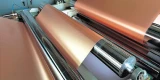
In the production of copper foil for printed circuit boards and lithium-ion batteries, maintaining electrolyte purity is essential for consistent quality. During electro-deposition, insoluble particles such as copper fines, anode sludge, and additives degrade the electrolyte and lead to surface defects in the final foil. DrM filtration systems provide continuous clarification of the electrolyte solution, removing fine particles without interrupting the process. Our fully enclosed design minimizes contamination risk while reducing maintenance and operator exposure. Optional filter aid dosing enhances cake formation and improves filtrate clarity. The system’s back-flushable elements allow for stable long-term performance, making it ideal for both batch and continuous copper foil production lines.​

Graphene Oxide (GO)​

Graphene oxide is a critical intermediate in the production of graphene, used in lithium batteries, sensors, transistors, and display technologies. Its production requires the oxidation of graphite, followed by multiple separation and washing stages to remove harsh oxidizing agents such as sulfuric acid, permanganate, or nitrates. Traditionally performed in lab-scale centrifuges, these steps can be time-consuming and difficult to scale. DrM filtration systems offer a fully enclosed, automated alternative capable of handling larger volumes with consistent quality. Our filters support multi-stage washing cycles to lower conductivity and residual metal content, with corrosion-resistant internals to withstand aggressive chemistries. The result is a cleaner, scalable, and more efficient process for high-purity GO production.​

High Purity Alumina (HPA)​

High purity alumina is a key raw material for LED production, sapphire glass, exhaust-gas catalysts, and other high-tech applications where purity requirements have increased from 4N (99.99%) to 6N (99.9999%) and beyond. DrM filtration systems are used in two major process routes: aluminum alkoxide hydrolysis and direct hydrolysis from refined aluminum. In the alkoxide route, FUNDABAC® filters remove residual metallic impurities and undissolved solids from alcohol-alumina complexes before further processing. In the direct hydrolysis method, our filters separate Al(OH)₃ from the reaction mixture, delivering cakes with high solid content and low product loss. Compared to filter presses or centrifuges, the fully automatic operation of DrM filters offers superior filtrate clarity, reduced maintenance, and higher yield, supporting consistent production of ultrapure alumina.​

LCD Screens​

LCD screen manufacturing relies on ultra-clean process fluids to prevent pixel defects and pattern distortion. DrM filters are integrated in slurry preparation, developer solution clarification, and other fluid handling steps requiring sub-micron particle control. Our enclosed, automated filtration systems reduce operator exposure while maintaining cleanroom standards. The use of back-washable filter elements enables consistent flow rates and extends operation without frequent changeouts. For ultra-pure fluids, optional filter aids or sequential cycles can be applied to maximize clarity and process uptime.​

Lighting​

Advanced lighting applications such as LED and phosphor production require reliable filtration of suspensions, rare earth materials, and chemical intermediates. DrM filters are used to purify metal hydroxides and oxides, remove reaction by-products, and support wash cycles during slurry preparation. The systems operate under low-shear conditions, preserving particle morphology where needed. Optional cake washing steps enable recovery of valuable materials and reduction of impurities before drying or calcination. Filter internals can be selected based on chemical resistance and compatibility with high solids content.​

Lithium Battery Production​

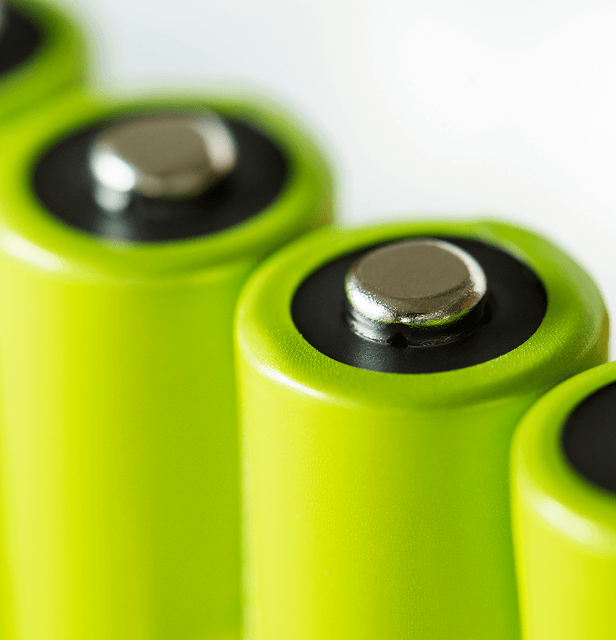
Filtration is critical in multiple stages of lithium battery manufacturing, from raw material prep to electrolyte management. DrM filters are widely used in cathode and anode material processing, binder recovery, and electrolyte purification. Our systems deliver efficient separation of fine solids, such as lithium salts, graphite, or transition metal oxides, while supporting batch or continuous operation. Cake washing and gas-assisted discharge help minimize product loss and improve purity, especially in wet chemistry steps. Filters can be integrated with fully enclosed, automated systems for high-volume gigafactory lines.​

Photoresist

Photoresist manufacturing requires absolute clarity and purity to ensure precision in photolithography processes. DrM filters are applied during the removal of polymer residues, pigments, and metal particulates that can interfere with pattern transfer. The gentle mixing and low turbulence design of our filters helps preserve product characteristics without introducing shear. With fully enclosed filtration and optional CIP capability, the system is suited for cleanroom installation. Automated cycles reduce operator handling and contribute to consistency in high-throughput photoresist lines.​

Silane

Silane-based chemical processes involve handling of pyrophoric or moisture-sensitive materials, requiring safe and stable separation solutions. DrM filtration systems are designed with corrosion-resistant materials and inert-gas-compatible sealing to handle silane slurries and by-products. The filters support continuous operation with automatic discharge, minimizing manual intervention. Custom materials and coatings can be applied depending on the grade of silane and process conditions. Our equipment can be adapted for integration with high-purity gas or chemical production setups.​

Silicon Ingot and Wafer Slicing​

In semiconductor and solar cell manufacturing, silicon wafers are sliced from ingots using abrasive techniques that generate large volumes of fine particulate-laden cooling water. This slurry must be purified before the cooling liquid can be recirculated. DrM’s FUNDABAC® filters are ideal for this task, offering two proven solutions: precoat filtration with slurry and dry discharge, or direct filtration on sub-micron membranes for finer separation. Both methods produce crystal-clear filtrate and support reliable cake discharge, even at very low cake thicknesses. The fully automated, enclosed system ensures consistent performance and minimal operator involvement. DrM filters help reduce waste, lower operating costs, and support more sustainable wafer slicing operations through efficient coolant recycling.​