What filtration challenges arise in hot-dip galvanizing alkali circuits?
In cold-rolling hot-dip galvanizing operations, process alkaline solution is continuously exposed to iron particles, oil, and sludge generated during strip cleaning and surface preparation. Left untreated, these contaminants degrade coating quality and prevent the alkaline circuit from being recirculated in a zero-discharge system.
Magnetic rod adsorption is widely used as a first-stage iron removal step, but it does not reliably capture the finest iron powder fractions. For operations with zero liquid discharge requirements, this residual contamination is not acceptable: the alkaline solution must reach a defined level of clarity before it can be returned to the process.
How does FUNDABAC® support zero-discharge compliance in steel processing?
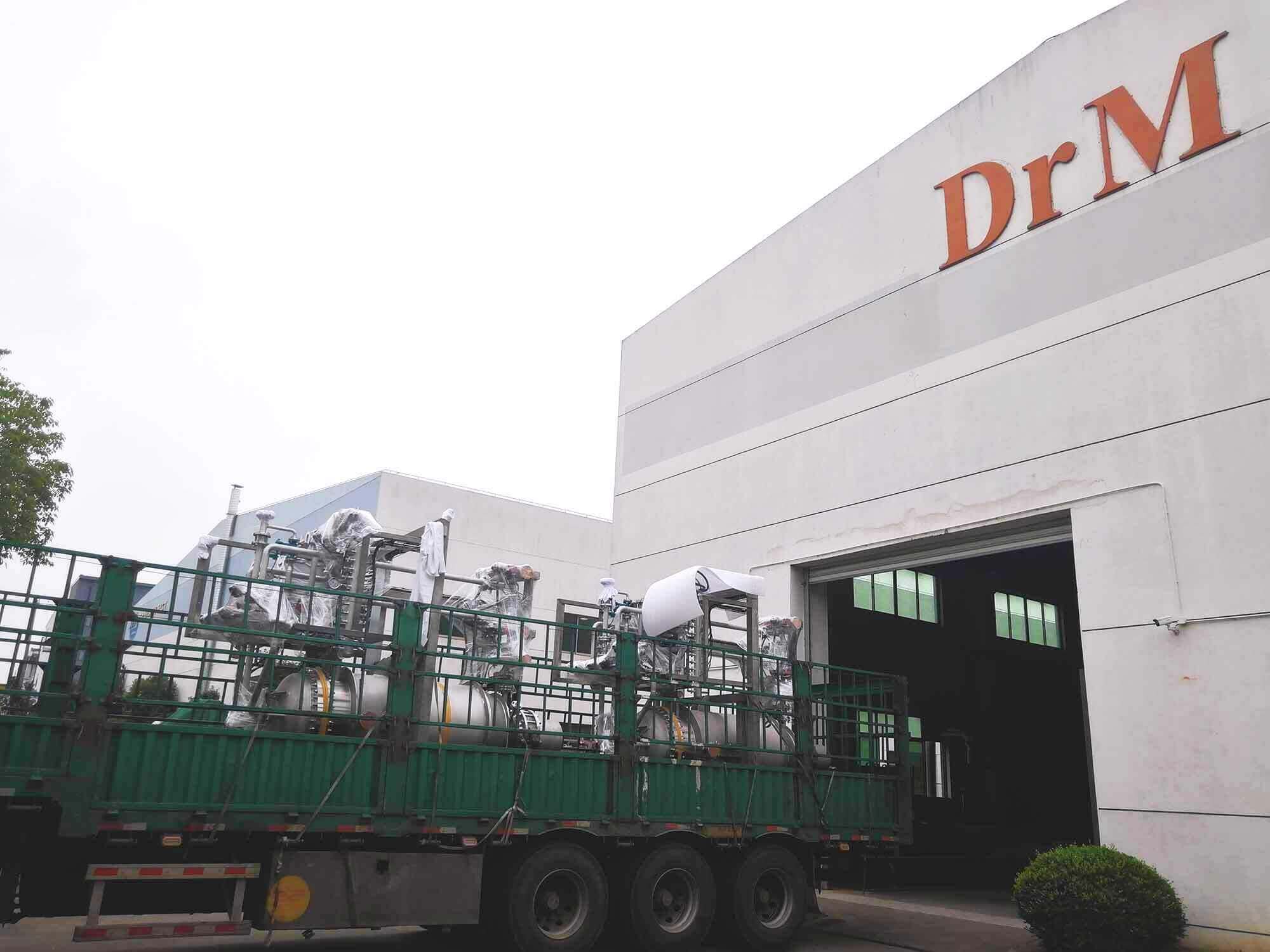
DrM recently commissioned four FUNDABAC® candle filters at a steel producer in China, integrated into the zero-discharge wastewater system of a hot-dip galvanizing line. The system handles mixed alkaline media containing iron powder, oil, and sludge at an operating temperature of 75°C. Filtration, cake discharge, and cleaning are fully automated, with purified alkaline solution continuously returned to the process. The four-filter configuration was sized to the production flow rate and purification cycle to run in step with the galvanizing line.
By closing the alkali loop, the system reduces fresh alkali consumption and minimises waste liquid volumes, directly lowering reagent and waste handling costs. This project adds to DrM’s reference base in industrial wastewater minimisation and process fluid recirculation across the steel and metals sector.