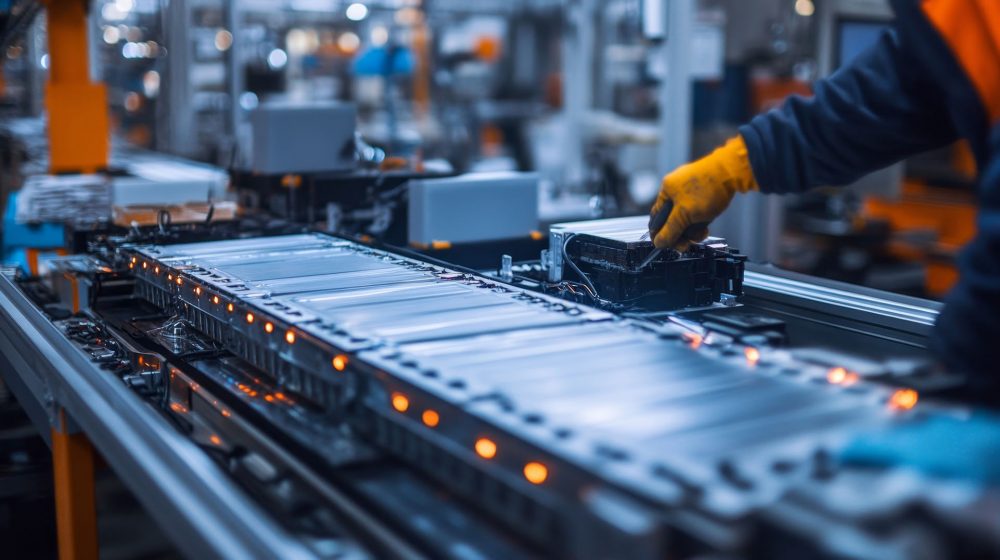
Electrodeposited copper foil is a material in high demand. Every lithium-ion battery cell, every printed circuit board, and every advanced electronics assembly depends on it. Driven by the expansion of EV production, 5G infrastructure, and grid-scale energy storage, new copper foil manufacturing capacity is being developed not only across Asia but increasingly in Europe and North America. At the same time the foil itself is getting harder to make, as high-speed electronics push producers toward progressively smoother, more tightly controlled surfaces. Filtration is one of the engineering decisions that has a direct and lasting impact on production performance, and getting it right from the start matters considerably more than having to correct it later.
How is copper foil produced, and why does electrolyte purity matter?
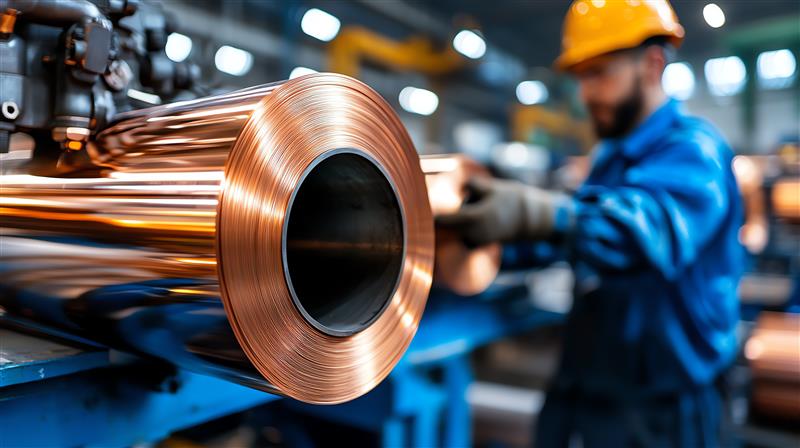
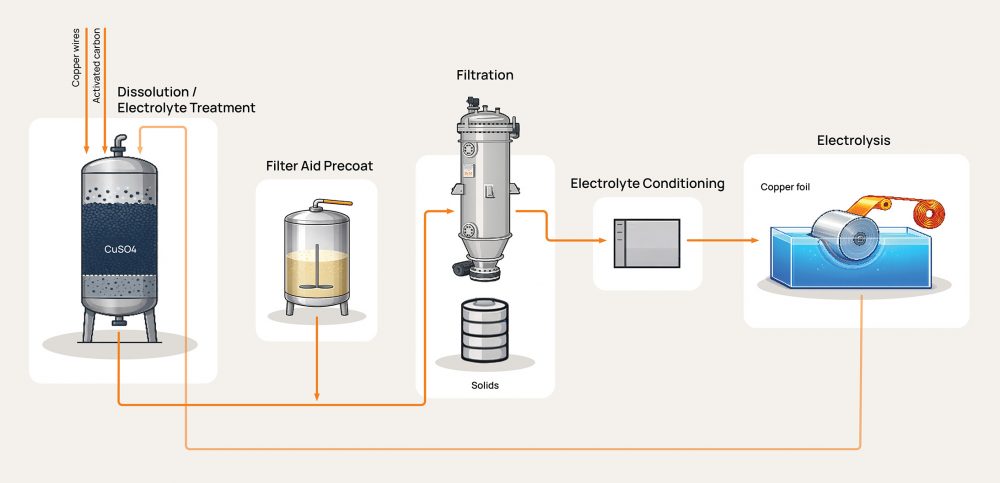
Electrodeposited copper foil is produced by dissolving copper in a copper sulfate and sulfuric acid electrolyte and depositing it onto a rotating drum cathode. The quality of the foil depends directly on the cleanliness of that electrolyte. Suspended particles, organic contaminants, and metallic impurities cause surface defects, uneven deposition, and inconsistent thickness, resulting in foil that does not meet specification for PCB laminates or battery anodes.
Organic contaminants are removed by treatment with activated carbon. The adsorption itself is highly effective, but it creates a second problem: the loaded carbon particles are fine, and they must be reliably separated from the electrolyte before it returns to the electrodeposition tanks. Because the electrolyte is continuously recirculated, this is not a one-time clean-up but a duty the filter performs without interruption for the length of the campaign.
What filtration challenges are specific to copper foil electrolyte processing?
The defining challenge is the reliable retention of sub-micron activated carbon at continuous production volumes. Filtration quality in this duty depends not only on the nominal rating of the filter medium but on maintaining an intact, homogeneous filtration layer across the entire filtration surface.
A diatomaceous earth precoat establishes that layer, and activated carbon is then introduced as body feed and retained within the growing cake. This makes the quality and stability of the precoat critical. Local areas of insufficient precoat, or leakage around the filter medium, provide preferential paths for fine particles and result in carbon breakthrough into electrolyte that is on its way back to the drum. The aggressive copper sulfate and sulfuric acid environment sets a further constraint on materials of construction, and the continuous nature of the process means any intervention that requires opening the vessel is production time lost.
How does conventional leaf filtration compare with candle filtration?
Pressure leaf filters have long been used for activated carbon removal in copper electrolyte purification. Candle filtration applies the same fundamental principle of precoat and cake filtration, but its geometry and discharge method address several limitations inherent to large filter leaves.
| Parameter | Pressure leaf filter | FUNDABAC® candle filter |
|---|---|---|
| Filtration surface | Large individual leaf surfaces | Multiple small cylindrical elements |
| Precoat formation | Uniform coverage difficult across large surfaces | Controlled, homogeneous layer on each element |
| Media sealing | Long textile sealing perimeters | Compact, well defined sealing areas |
| Cake discharge | Commonly sluiced from leaves with water | Drained and dried in the vessel, discharged dry |
| Waste stream | Carbon and filter aid slurry with residual electrolyte | Dry cake, no secondary wastewater |
| Operation | Cleaning and discharge require operator intervention | Closed, automated filtration cycle |
Candle filtration creates the conditions on which consistent retention of fine activated carbon depends: a uniform precoat and reliable sealing.


How does the FUNDABAC® filter address electrolyte filtration in copper foil production?
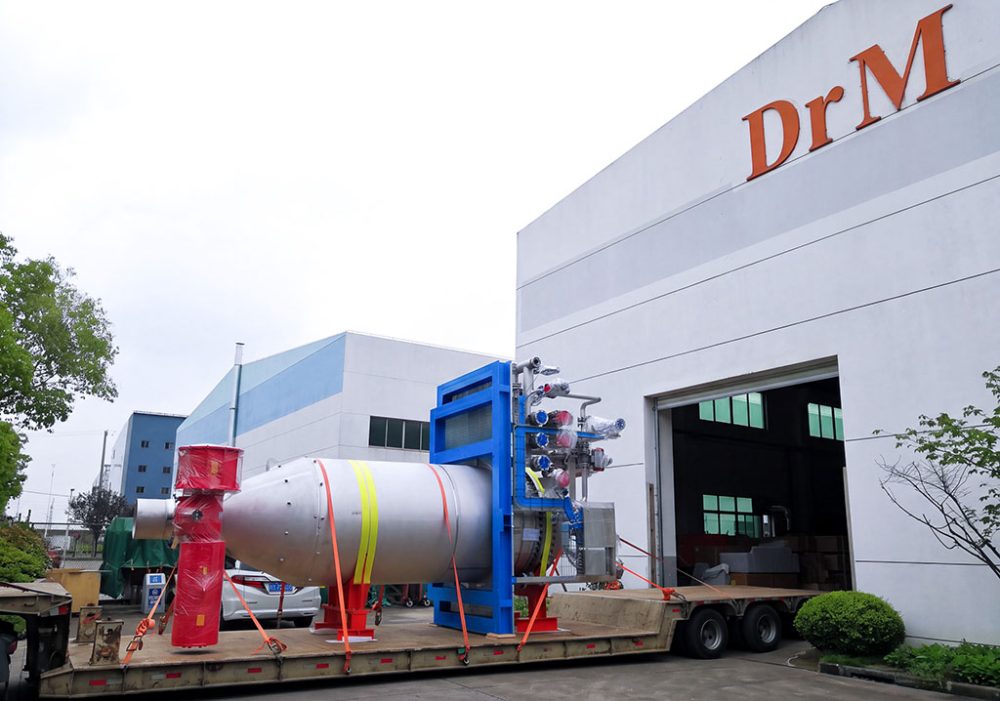
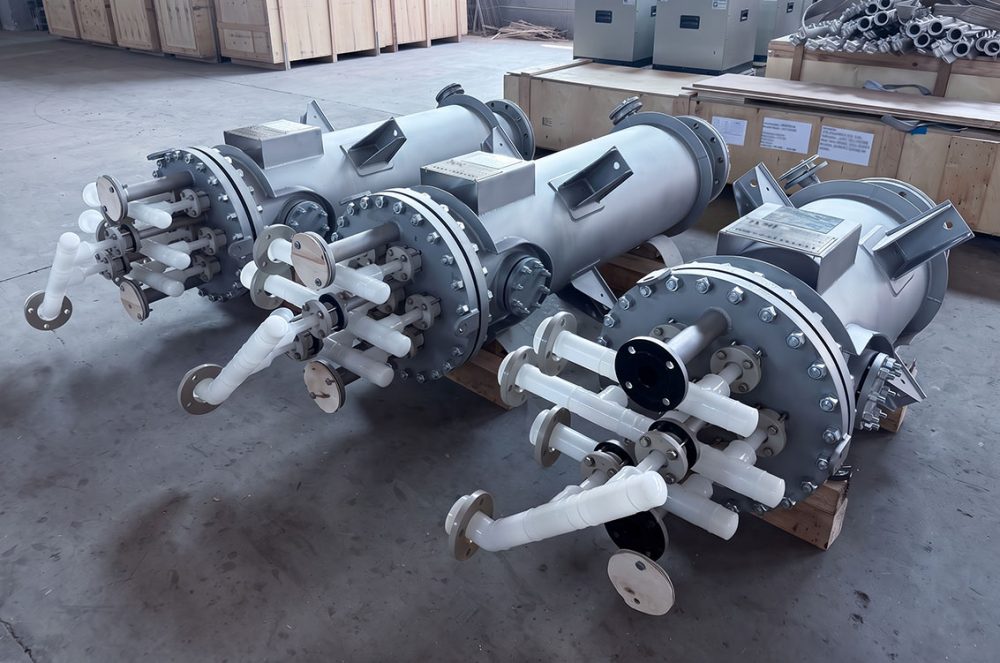
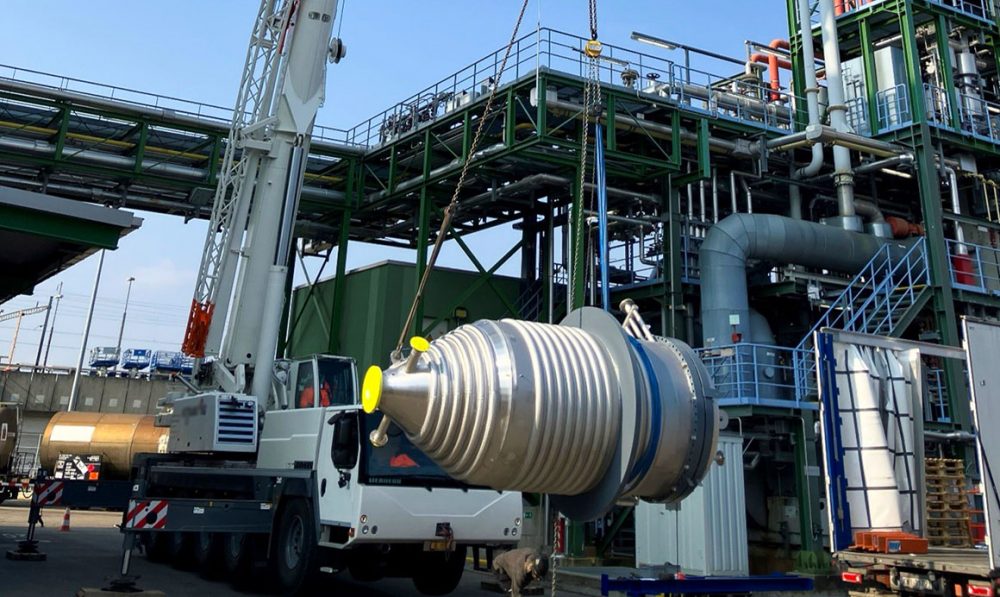
FUNDABAC® candle filters have been used in copper foil electrolyte filtration for many years, with installations across multiple production facilities in Asia. The loaded electrolyte is filtered through the filter aid precoat layer, clarified filtrate is directed to the electrolysis tanks, and the activated carbon and solids are discharged as a dry cake.
The filter runs a fully automatic cycle of precoating, filtration, heel filtration, cake drying, cake discharge, and in-situ media regeneration within a closed pressure vessel. The media are backwashed in place and remain installed, maintaining consistent filtration rates over time without replacement. There are no moving internal parts, and materials of construction including PP, PVDF and PTFE can be selected for the aggressive electrolyte chemistry. Dry cake discharge reduces both the volume and the handling requirements for spent activated carbon, and avoids generating a dilute slurry that needs downstream treatment.
Why is copper foil filtration increasingly relevant today?
Two things are changing at once. New production capacity is coming online across Europe, North America, India, and other parts of Asia as manufacturers build more resilient local supply chains. At the same time, rising signal frequencies in high-speed PCBs have driven the development of Very Low Profile (VLP) and Hyper Very Low Profile (HVLP) foils built around extremely low surface roughness and highly controlled surface morphology.
Filtration does not create that low surface roughness, which is determined by electrodeposition chemistry and subsequent surface treatment. But the tighter the deposition process is controlled, the less tolerance there is for particulate contamination arriving with the electrolyte. As producers move toward VLP and HVLP grades, reliable removal of fine activated carbon becomes a more important foundation for stable production.
DrM has supplied filtration systems for copper refining and electrodeposited copper foil production across multiple markets for many years, covering a wide range of facility sizes and process configurations. Where a new line is being specified, the filtration step can be trialled on the actual electrolyte beforehand: laboratory and pilot filters are available to rent or to buy.
Key takeaways
- Sub-micron activated carbon retention is the defining filtration duty in copper foil electrolyte purification.
- Precoat uniformity and media sealing determine filtration quality more than the nominal rating of the medium.
- The FUNDABAC® candle filter discharges a dry cake, avoiding the slurry generated by water sluicing of filter leaves.
- In-situ media regeneration maintains filtration rates without media replacement or opening the vessel.
- VLP and HVLP foil production raises the demand on electrolyte cleanliness and process consistency.
Frequently Asked Questions
What is electrodeposited copper foil used for?
Electrodeposited copper foil is a critical material in lithium-ion battery cells, printed circuit boards, and advanced electronics assemblies. It is produced by dissolving copper in a copper sulfate and sulfuric acid electrolyte and depositing it onto a rotating drum cathode.
Why is electrolyte purity important in copper foil production?
The quality of copper foil depends directly on the cleanliness of the electrolyte. Suspended particles, organic contaminants, and metallic impurities cause surface defects, uneven deposition, and inconsistent thickness, resulting in foil that does not meet specification for PCB laminates or battery anodes.
How does candle filtration compare with pressure leaf filters for copper electrolyte?
Pressure leaf filters have long been used for activated carbon removal in copper electrolyte purification. Candle filters apply the same precoat and cake filtration principle, but the cylindrical element geometry makes a uniform precoat easier to establish and the sealing areas are more compact. The cake is dried and discharged dry inside the vessel rather than sluiced off the leaves with water, so there is no secondary slurry to treat and no need to open the vessel.
How does the FUNDABAC® filter work in copper foil electrolyte filtration?
The FUNDABAC® candle filter runs a fully automatic cycle of precoating, filtration, heel filtration, cake drying, cake discharge, and in-situ media regeneration, all within a closed pressure vessel. A filter aid precoat protects the media and retains the fine activated carbon, the cake is discharged dry, and the media are backwashed in place and remain installed, maintaining consistent filtration rates without replacement.
Where is new copper foil production capacity being developed?
New copper foil production capacity is coming online across Europe, North America, India, and other parts of Asia as manufacturers work to build more resilient local supply chains and meet growing demand from the EV battery and advanced electronics industries.
What are VLP and HVLP copper foils, and how do they affect filtration requirements?
Very Low Profile (VLP) and Hyper Very Low Profile (HVLP) foils are grades developed for high-speed printed circuit boards, built around extremely low surface roughness and highly controlled surface morphology. Filtration does not create that low roughness, which comes from the electrodeposition chemistry and subsequent surface treatment. But the more tightly the deposition is controlled, the less tolerance there is for particulate arriving with the electrolyte, so reliable removal of fine activated carbon becomes a more important foundation for stable production.