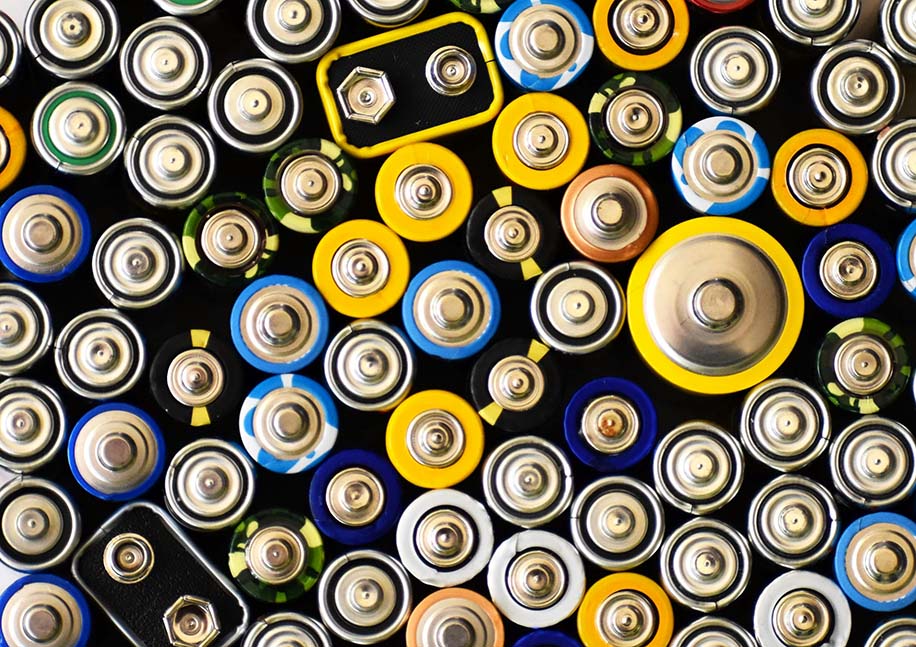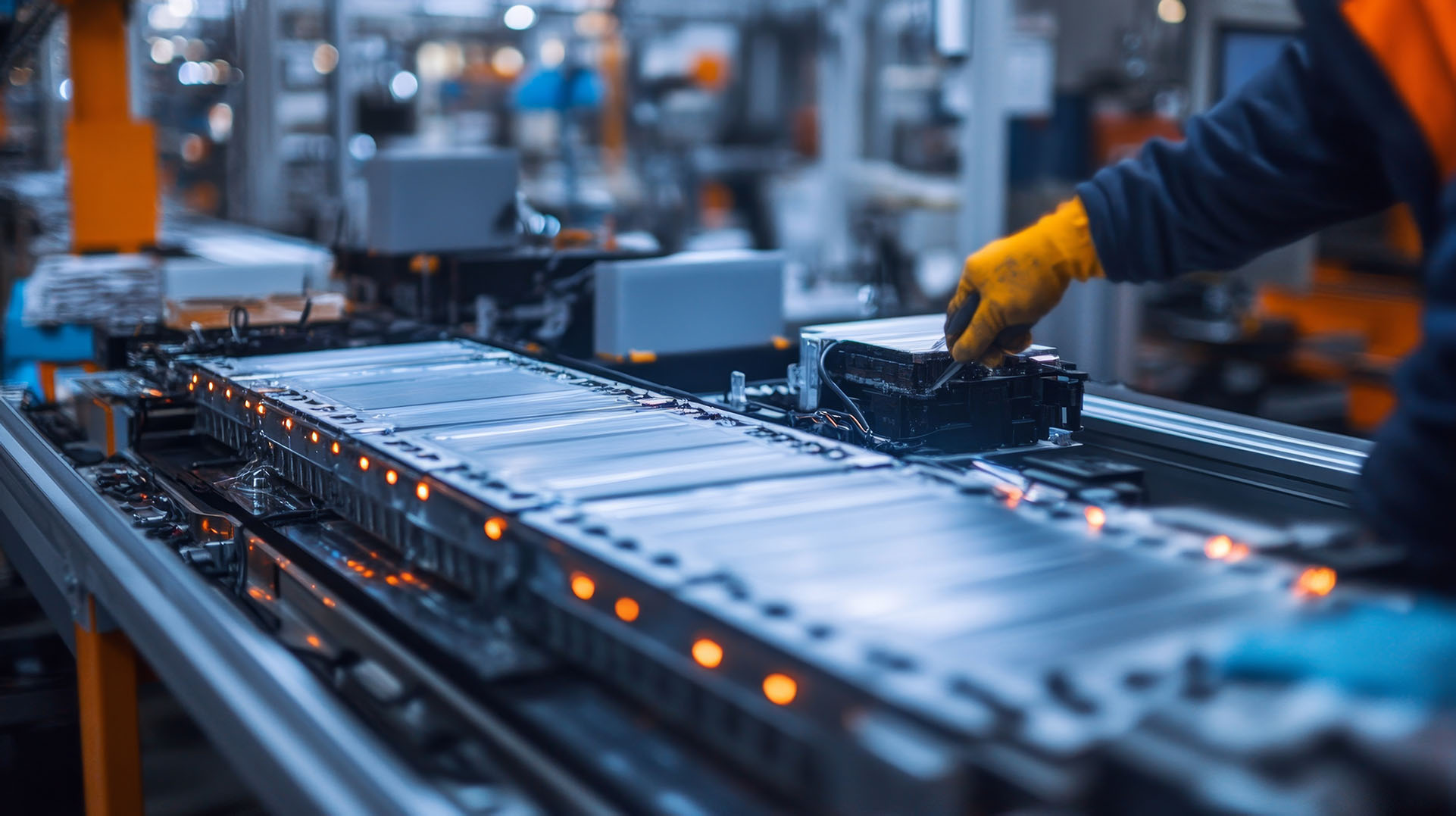
When feed value drops, every inefficiency in the process becomes more expensive to ignore. LFP battery recycling is becoming the more common case as LFP cells now account for the majority of new battery production, driven by their cost advantage over nickel manganese cobalt, or NMC, cells at the manufacturing stage. That cost advantage creates a margin problem at the recycling end. NMC feed carries nickel, cobalt, and manganese, metals valuable enough to absorb a multi-stage solvent extraction circuit. LFP feed carries none of them, so the recoverable value is lower, the process is shorter, and the filtration steps that remain matter more to what margin is left. A flowsheet designed around NMC economics does not automatically translate once the feed shifts toward LFP.
What changes in the recycling flowsheet when feed shifts from NMC to LFP?
The solvent extraction and ion exchange stages that separate nickel, cobalt, and manganese into individual battery-grade salts disappear. NMC leach liquor requires this multi-stage separation because each metal has its own market and its own purity specification. LFP leach liquor contains none of these three metals, so there is nothing for a solvent extraction circuit to separate. What remains is a shorter route: iron and phosphate are precipitated and removed from solution, and lithium is recovered from the raffinate as lithium carbonate or lithium hydroxide.
Which filtration duties stay the same regardless of feed chemistry?
Three duties appear in both routes. Leach residue, largely graphite and unreacted solids, has to be separated from the pregnant leach solution before any metal recovery step can begin. The impurity precipitates formed during purification, iron and aluminum hydroxides in the NMC route, iron and phosphate compounds in the LFP route, are fine, compressible solids that filter poorly and require equipment designed for that duty. And the final lithium salt has to be filtered, washed, and dried to battery-grade purity in either case, since lithium is the one metal both chemistries share.
How does the FUNDABAC® candle filter handle both feedstock profiles?
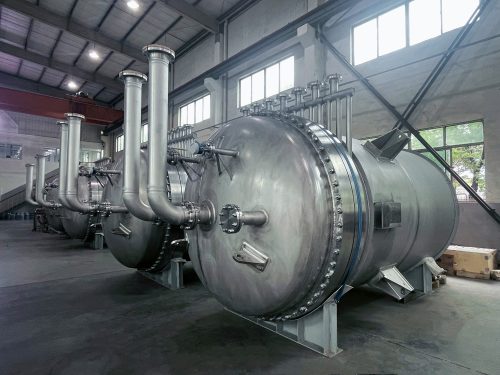
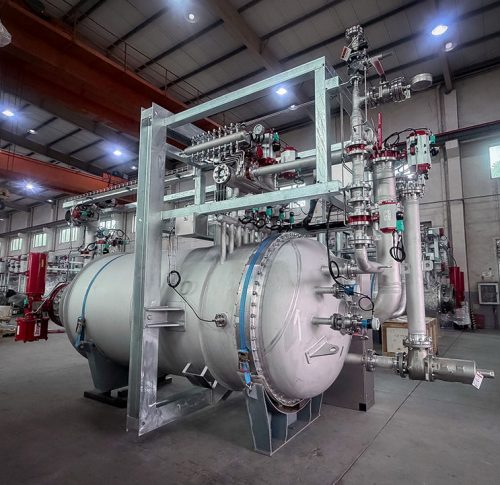
The FUNDABAC® candle filter operates as a closed, PLC-automated system across a range of process conditions, up to 180°C in standard configurations, with special designs rated to 350°C, and wetted parts available in PP, PVDF, PTFE, PPS, PEEK, or stainless steel depending on the leach chemistry in use.
Two design features matter most in a lower-margin LFP flowsheet:
Heel volume filtration. A patented process that recovers the residual liquid remaining at the bottom of the vessel after standard filtration is complete. Rather than discarding this heel, the system recycles it through a controlled flow design, completing a final filtration pass and increasing yield. In a process where the recoverable value per ton of feed is already lower, that recovered heel is margin that would otherwise leave with the discharged cake.
Cake washing efficiency. Wash liquid is dispersed through a centrally located spray nozzle and pushed through the cake with minimal volume, which reduces wash liquid consumption compared to conventional displacement washing. For lithium salt filtration specifically, minimizing mother liquor retained in the discharged cake preserves recoverable lithium that would otherwise leave the process with the solids.
The same filter platform handles leach residue separation, impurity precipitate removal, and final product filtration within a single flowsheet, whether that flowsheet is built for NMC, LFP, or a blend of both. DrM has supplied more than 60 of these systems into battery recycling applications across Europe and Asia.
What does the feedstock shift mean for recycling plant economics?
Recoverable value per ton of feed is what changes most. Fastmarkets data, as of September 2026, puts NMC battery-cell metal value at roughly $10,040 per ton, compared with about $3,935 per ton for LFP cells, which leaves recyclers with much less margin to absorb an inefficient separation step. As the feed mix shifts toward LFP, the plants that stay profitable are the ones where every filtration stage recovers as much value as the process chemistry allows. Wash efficiency and cake dryness stop being only technical parameters. They become margin parameters as well.
Is the industry moving toward blended feedstock rather than a clean transition?
NMC-based vehicles built over the past decade will keep reaching end of life for years, arriving at recycling plants alongside a growing volume of LFP material from newer production. A flowsheet has to handle both chemistries, sometimes within the same processing campaign, which is a different design problem than optimizing for one stable feed profile. Filtration equipment that performs the same core duties, leach residue separation, impurity precipitate handling, and lithium recovery, regardless of which metals are or are not present, is better positioned for that reality than equipment built around a single chemistry’s flowsheet.
The global battery fleet will carry both chemistries in parallel for years, and recycling plants that can handle either feed without a full flowsheet redesign are better placed to manage that transition than those built around a single chemistry’s economics.
Key takeaways
- NMC battery recycling requires solvent extraction to separate nickel, cobalt, and manganese into individual salts.
- LFP battery recycling removes the solvent extraction stage but still requires leach residue and lithium salt filtration.
- Recoverable metal value is roughly $10,040 per ton for NMC cells versus $3,935 per ton for LFP, per Fastmarkets data (September 2026).
- The FUNDABAC® candle filter handles precipitate types from both NMC and LFP recycling routes within one closed platform.
- DrM has supplied more than 60 filtration systems for battery recycling applications across Europe and Asia.
Frequently Asked Questions
What changes in LFP battery recycling compared with NMC recycling?
LFP recycling removes the solvent extraction step used to separate nickel, cobalt, and manganese in NMC routes. That leaves a shorter flowsheet focused on leach residue separation, impurity removal, and lithium recovery, which changes where filtration performance matters most.
Why is filtration more important in LFP recycling?
Filtration matters more because the recoverable value in LFP feed is lower than in NMC feed. When margin is tighter, every lost liquid, retained solid, or inefficient wash step has a larger financial impact, so cake dryness and wash efficiency directly affect economics.
What filtration duties still exist in both battery recycling routes?
Both routes still need leach residue separation before recovery can begin, removal of fine impurity precipitates during purification, and final lithium salt filtration before drying. The chemistry changes, but the core solids-handling challenges remain.
How does cake washing affect battery recycling yield?
Cake washing helps recover dissolved values trapped in the filter cake and reduces contamination in the next process stage. In lower-value LFP flowsheets, better washing can improve yield and reduce downstream burden without adding unnecessary liquid consumption.
Can one filter platform handle both NMC and LFP recycling?
Yes, if the platform is designed for variable solids properties and closed operation. A system that handles residue separation, precipitate removal, and product filtration across both chemistries reduces the need to redesign the whole flowsheet as feedstock mix changes.