
Vibratory Mixing Technology:
Beyond the Rotating Impeller
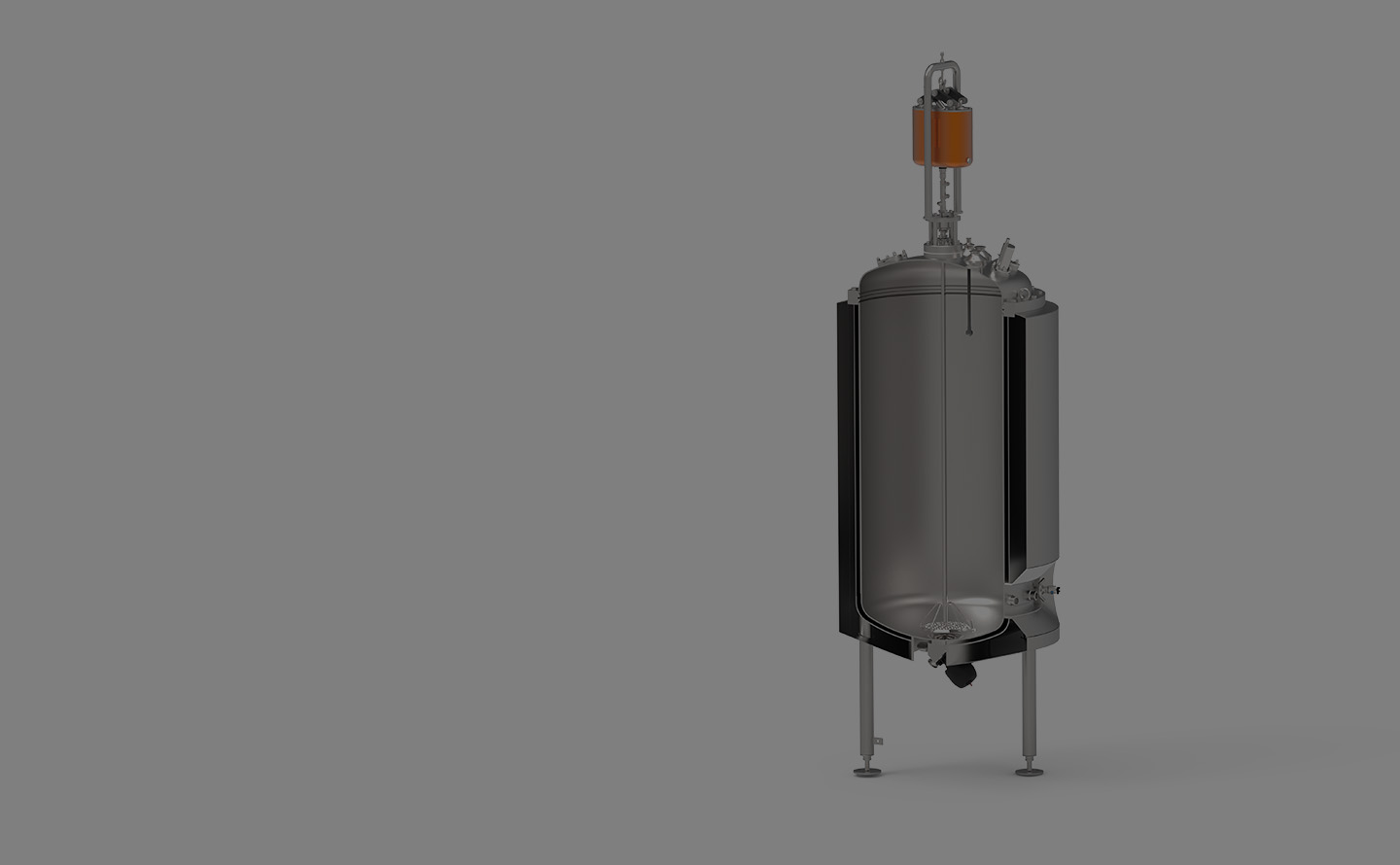
Vibratory mixing technology uses an oscillating plate instead of a rotating impeller to generate controlled axial flow. DrM’s FUNDAMIX® Vibro-Mixer applies this principle for efficient, shear-sensitive mixing across industrial and pharmaceutical processes.
The Core Mechanism of Vibratory Mixing
Vibratory mixing replaces a rotating shaft with a plate that oscillates vertically. Three things about that mechanism define how it behaves in a vessel.
Oscillation Replaces Rotation
A mixing plate moves up and down at high frequency and low amplitude, driven by an electromagnetic or mechanical drive unit, instead of a shaft turning an impeller.
Axial Flow, No Vortex
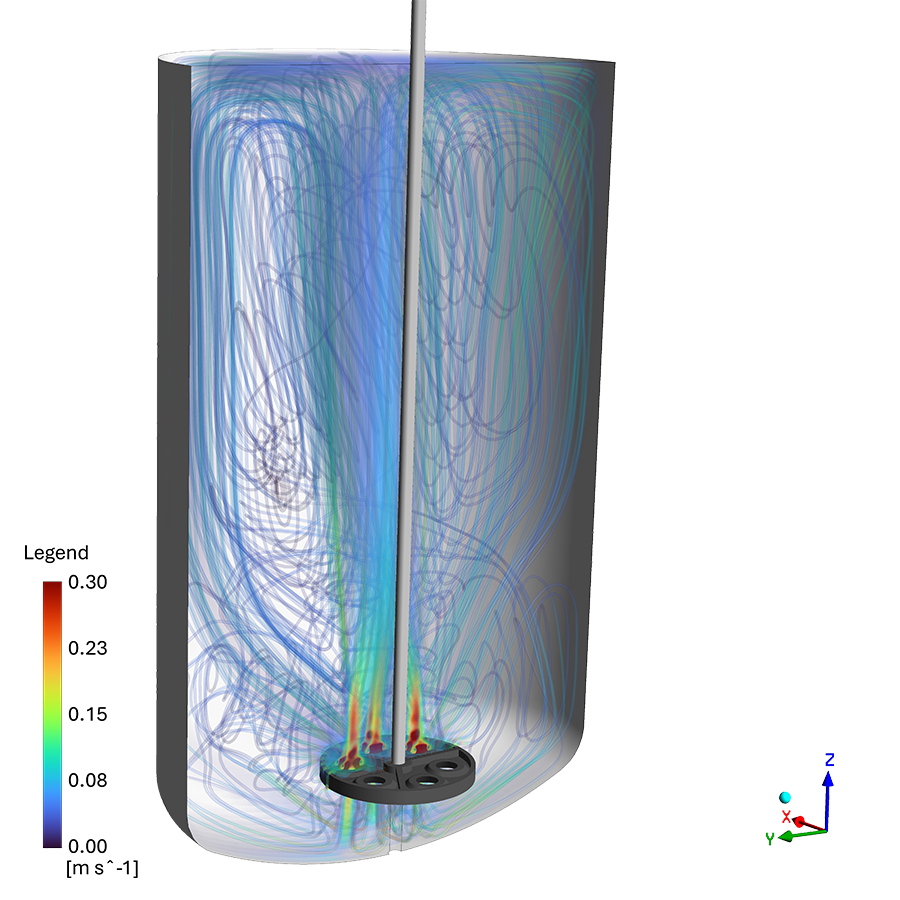
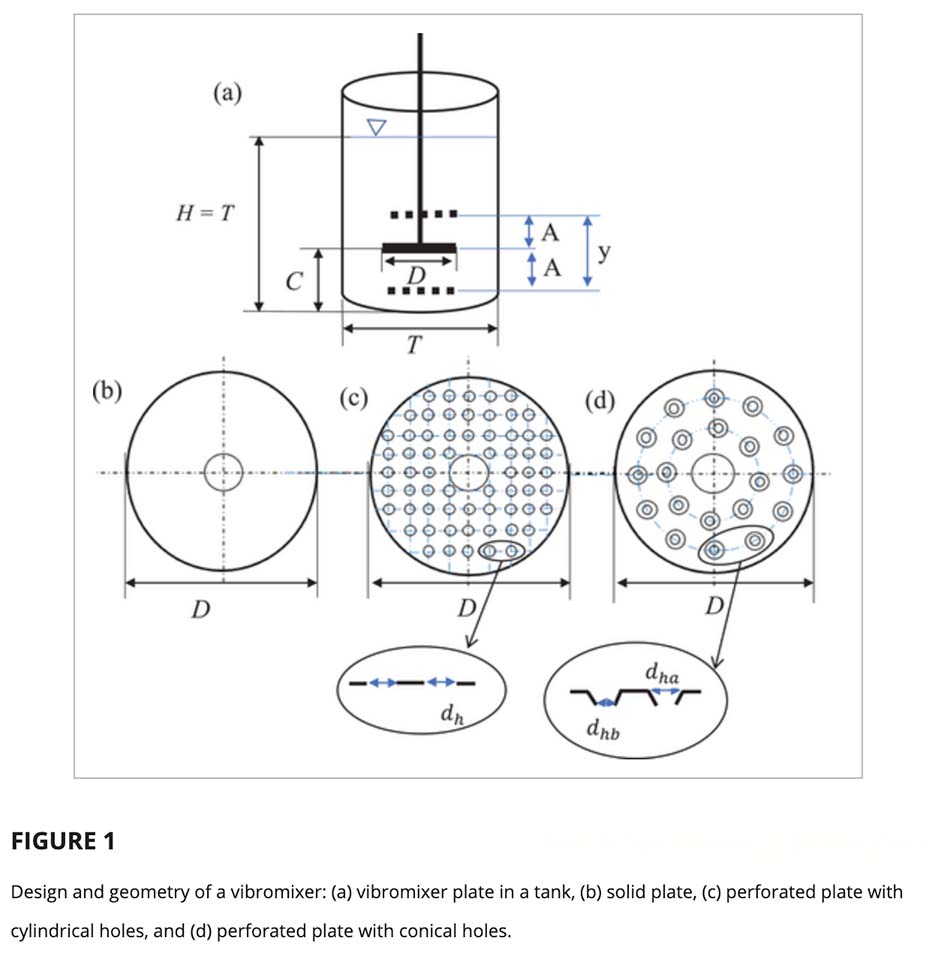
As the plate oscillates through its perforated bores, it generates directional flow up or down through the vessel rather than the circular, vortex-forming pattern typical of a rotating impeller.
Intensity Set by Amplitude and Frequency
Mixing intensity is adjusted by how far and how fast the plate oscillates, not by impeller speed or blade geometry, which allows the same mechanism to run gentle or vigorous.
How Does Vibratory Mixing Generate Flow?
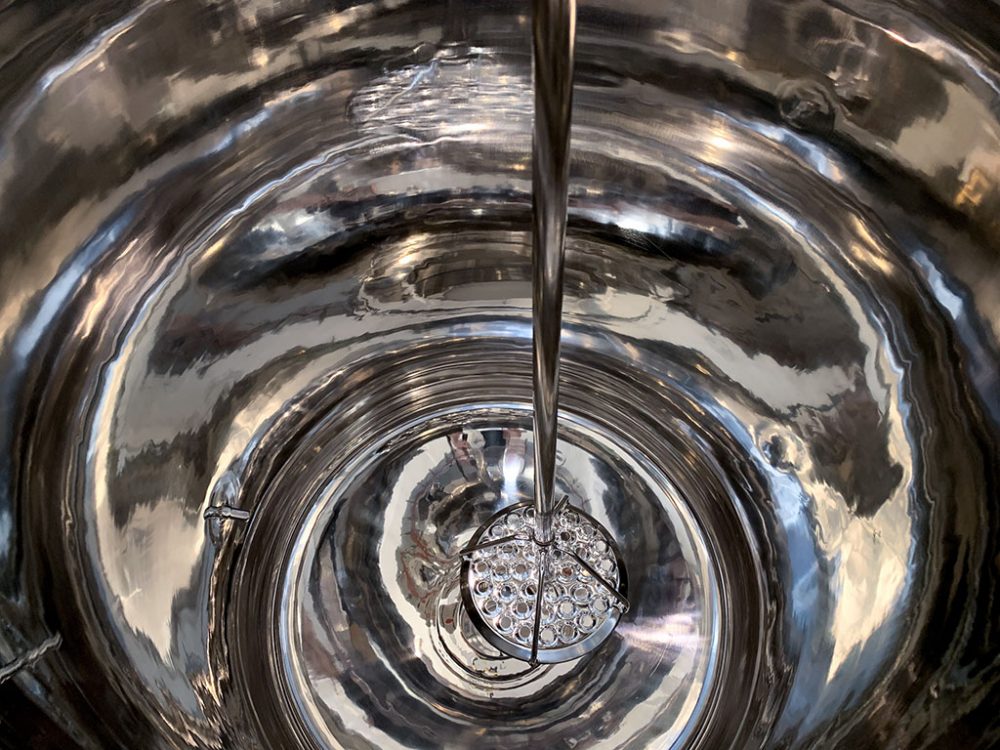
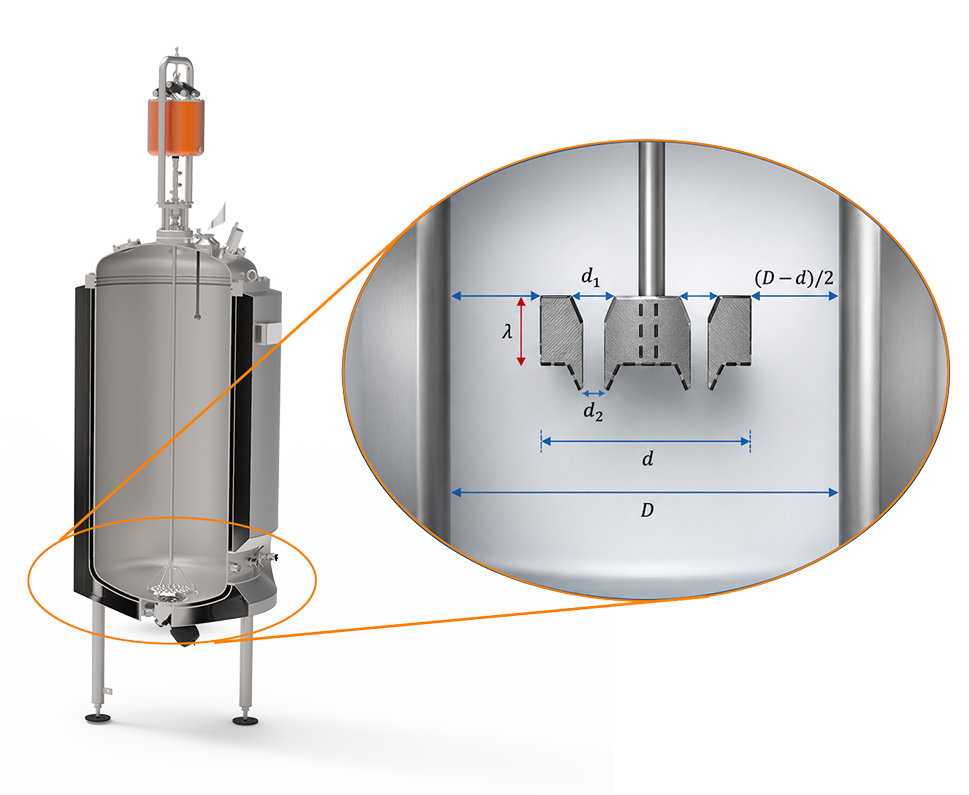
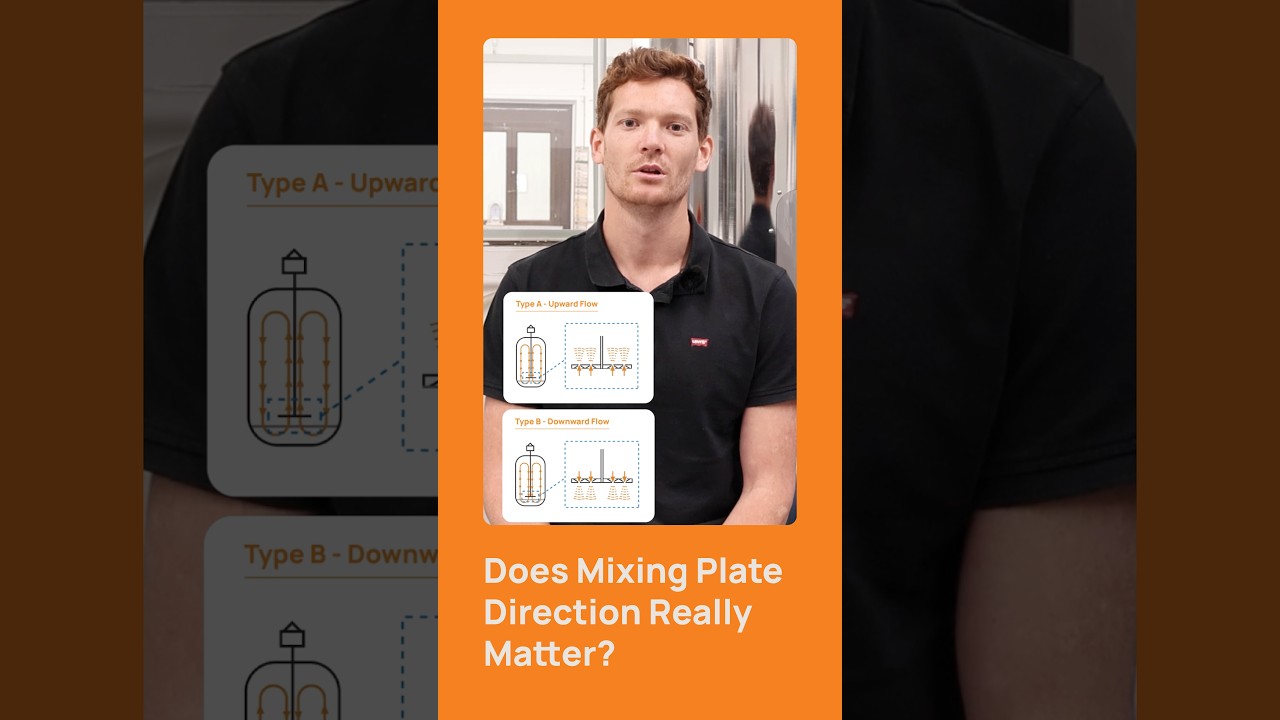
Most mixing plates are perforated with conical bores rather than built as a solid disc. Because each bore is narrower on one face than the other, resistance to flow is higher in one direction than the other as the plate moves up and down. That imbalance produces a net volume flow in a single direction each cycle, which is what turns simple vertical motion into continuous axial circulation through the vessel, rather than the plate just pushing fluid back and forth in place.
The same plate design can be installed to pump primarily upward or downward. An upward-flow configuration can be mounted close to the vessel bottom, minimizing the volume of liquid that stays unmixed at low fill levels, and tends to suit fast, efficient mixing of liquids and light solids. A downward-flow configuration is better suited to processes where solids settle quickly, foaming is a concern, or no air should be introduced into the batch. A third variant routes gas through a hollow shaft beneath the plate, combining mixing and sparging for aeration or fermentation duties.
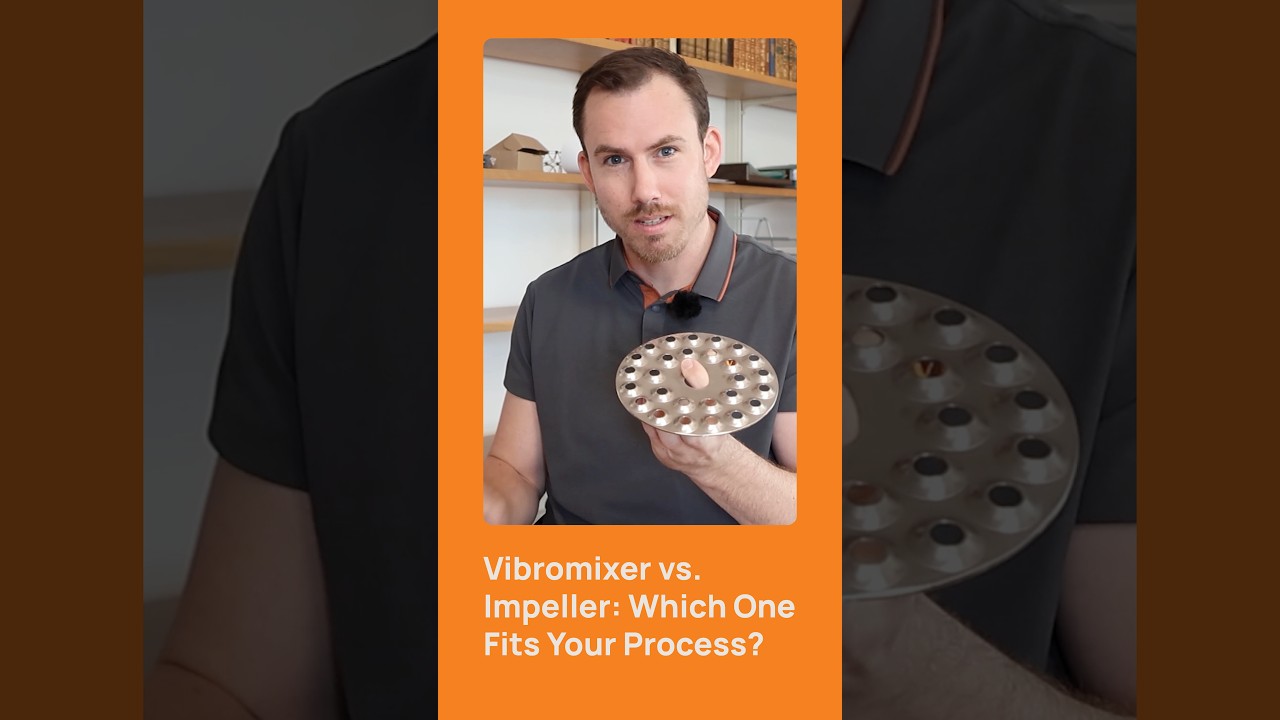
How Does Vibratory Mixing Compare to Stirred Tanks?
Vibratory mixing reaches turbulent, effective mixing at lower energy input and lower Reynolds numbers than a stirred tank with a rotating impeller.
| Metric | Vibratory Mixing | Stirred Tank / Rotating Impeller | Source |
|---|---|---|---|
| Turbulent flow onset | Re 20 to 300 | Re above 10,000 | Gimba et al., 2026 |
| Specific power input | 510 to 1,530 W/m³ | 8,600 W/m³ (Rushton turbine) | Gimba et al., 2026 |
| Dimensionless mixing time | 1.5 to 3 | 10 to 100 | Gimba et al., 2026 |
| Cell survival rate (shear-sensitive cultures) | Greater than 99% | 60 to 70% | DrM customer testing |
| Energy consumption | Approximately 50% lower | Baseline | DrM testing |
Low shear matters for sensitive products such as cells, proteins, or delicate emulsions. A vibromixer agitates more gently than a rotating impeller.
Foam or vortex formation is a problem. Without a rotating impeller, a vibromixer does not generate the central vortex that pulls air into the batch.
Sterility, closed operation, or seal elimination matters. Vibratory mixing removes the rotating shaft seal altogether, closing off a common contamination point.
Efficient mixing at low power is the priority, particularly for fast homogenization or continuous recirculation duties.
The process involves gas dispersion, suspension, emulsification, or dissolution in a vessel sized to match the mixing plate.
The Same Mechanism, Three Ways to Deploy It
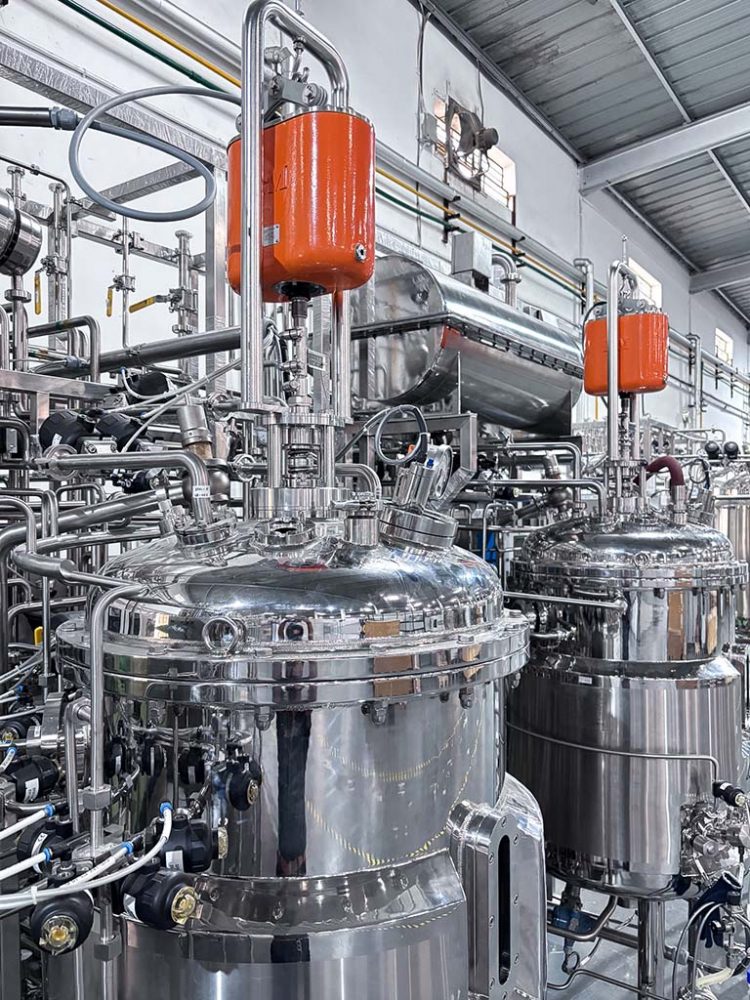
Every DrM mixing product uses the oscillating-plate mechanism described above. The right format depends on your vessel, your sterility requirements, and how the system needs to integrate into your process.
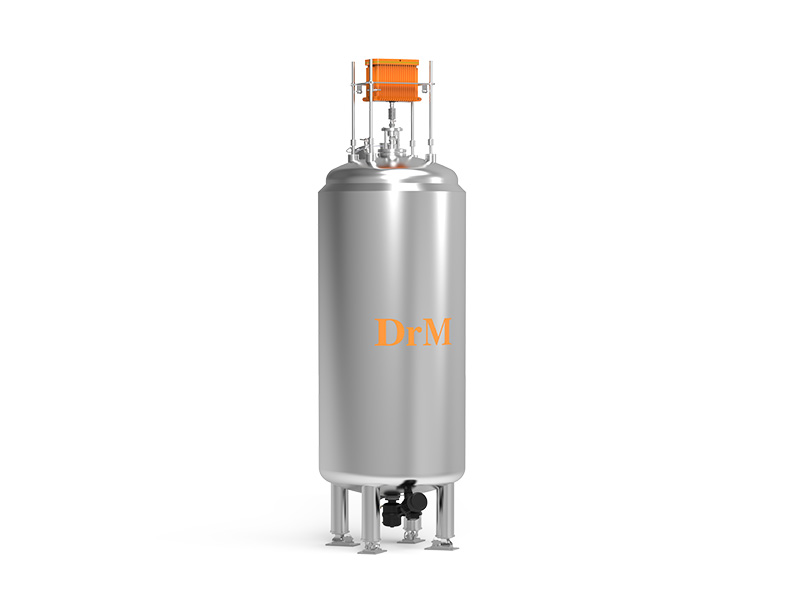
FUNDAMIX® Vibro-Mixer
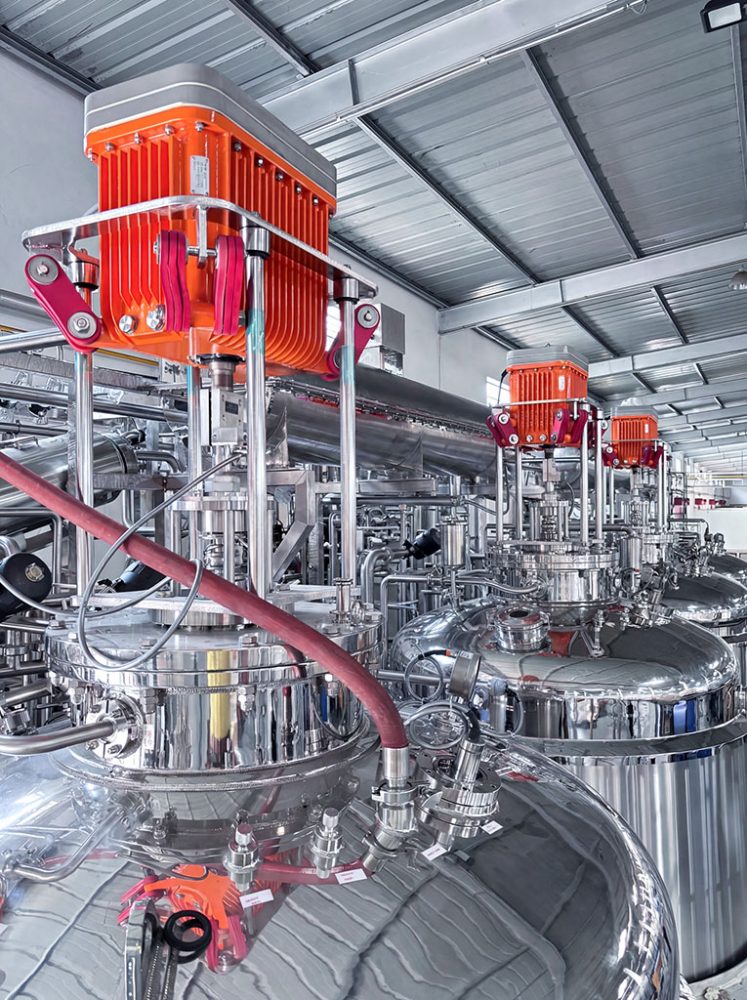
Standard mixerThe standard format for new installations or retrofits into existing vessels, available across four drive sizes covering lab through full industrial scale.
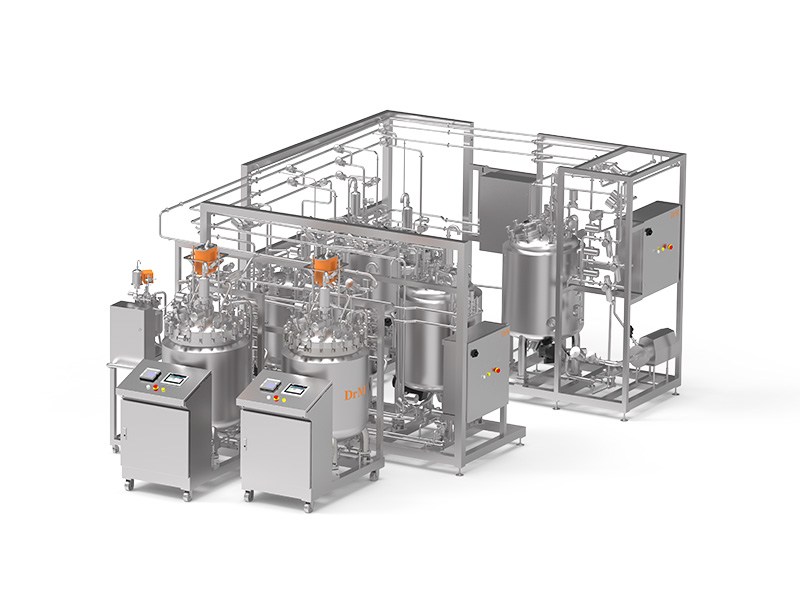
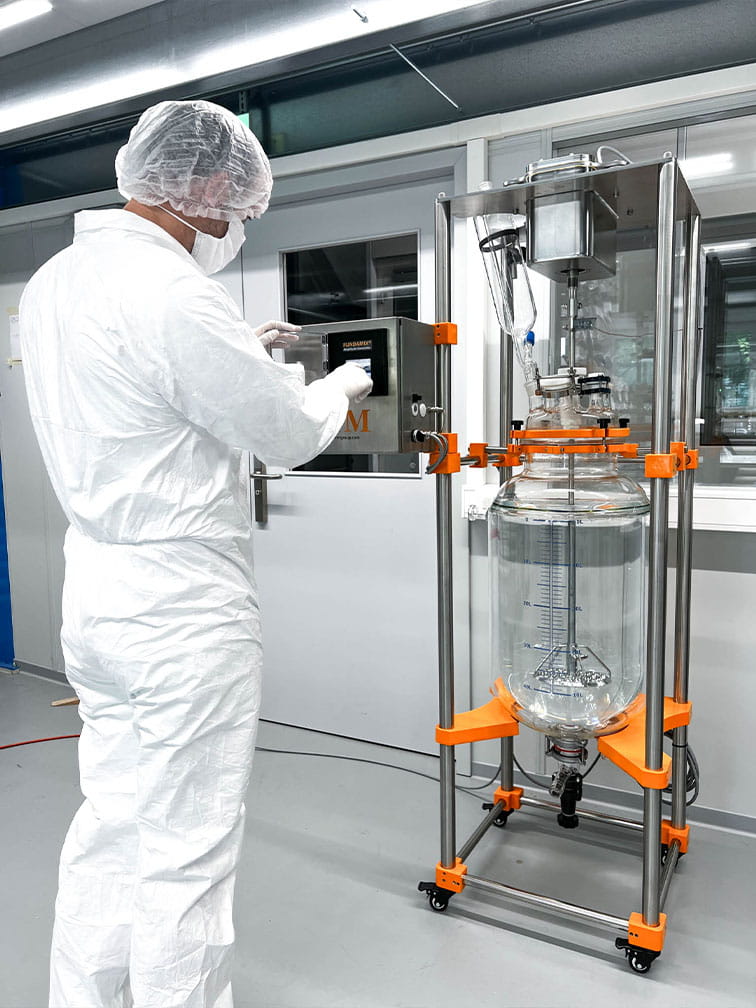
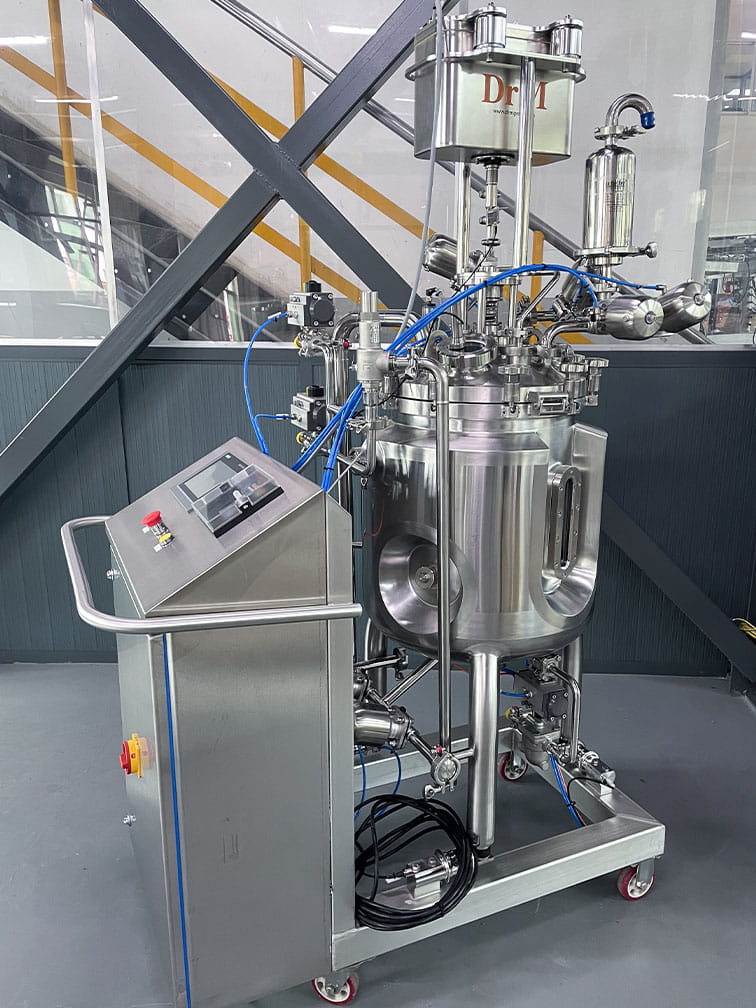
Packaged Units
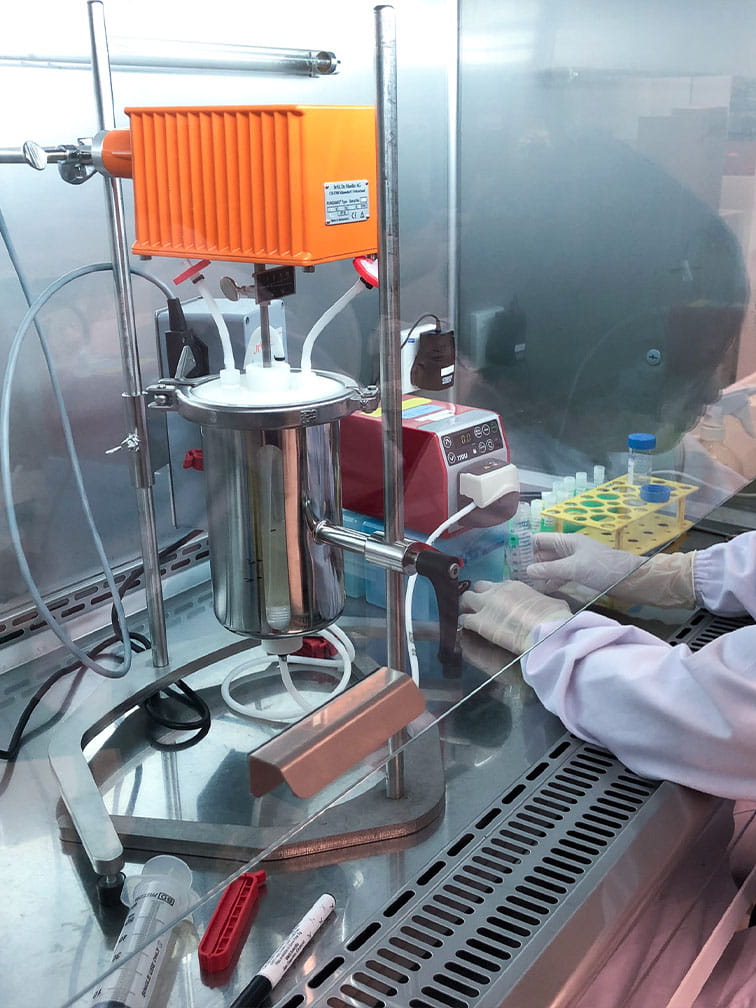
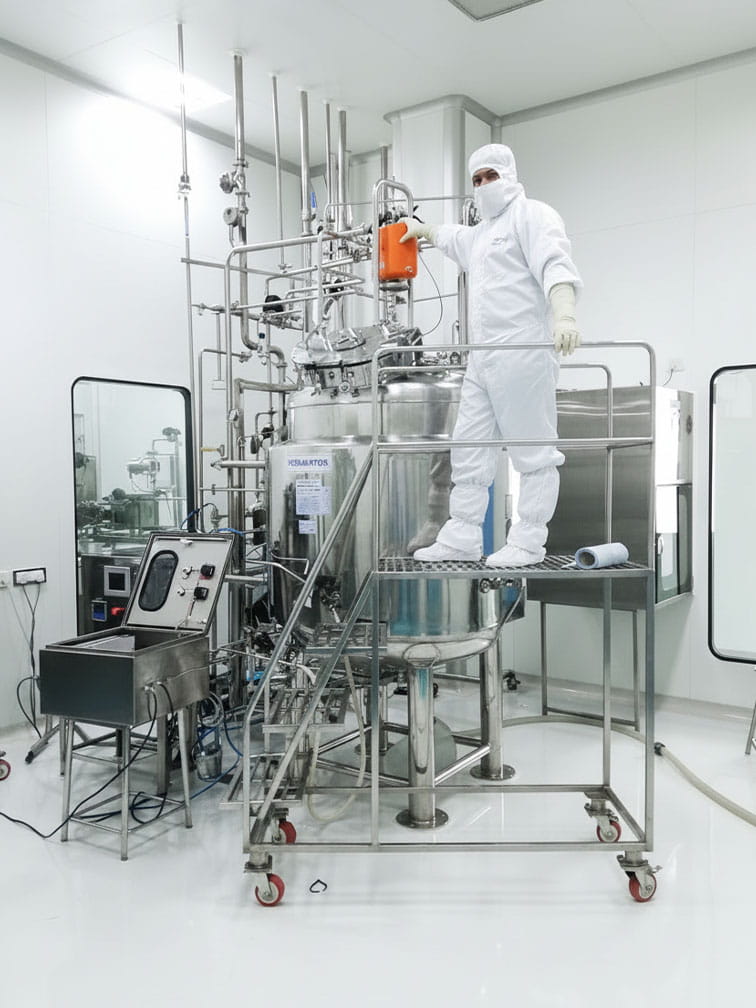
Turnkey SystemComplete stand-alone or skid-mounted systems that combine the mixer with the vessel, controls, and utilities, from glass reactor lab setups to fully automated industrial plants.
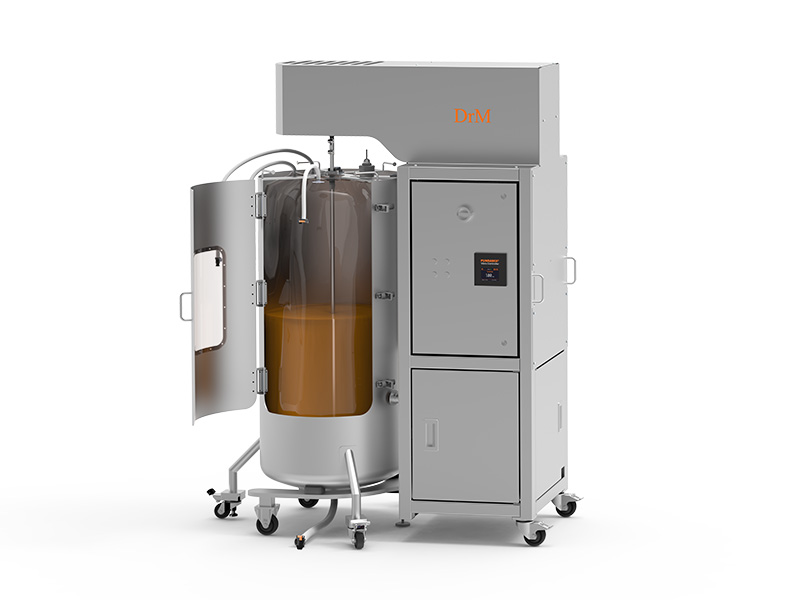
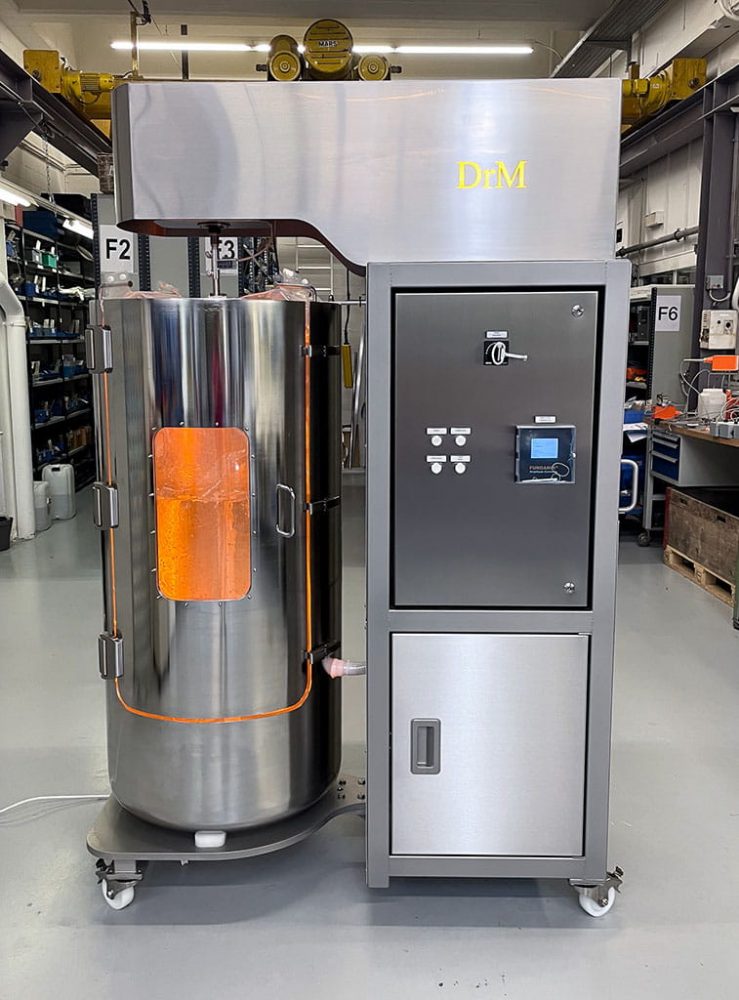
FUNDAMIX® SU
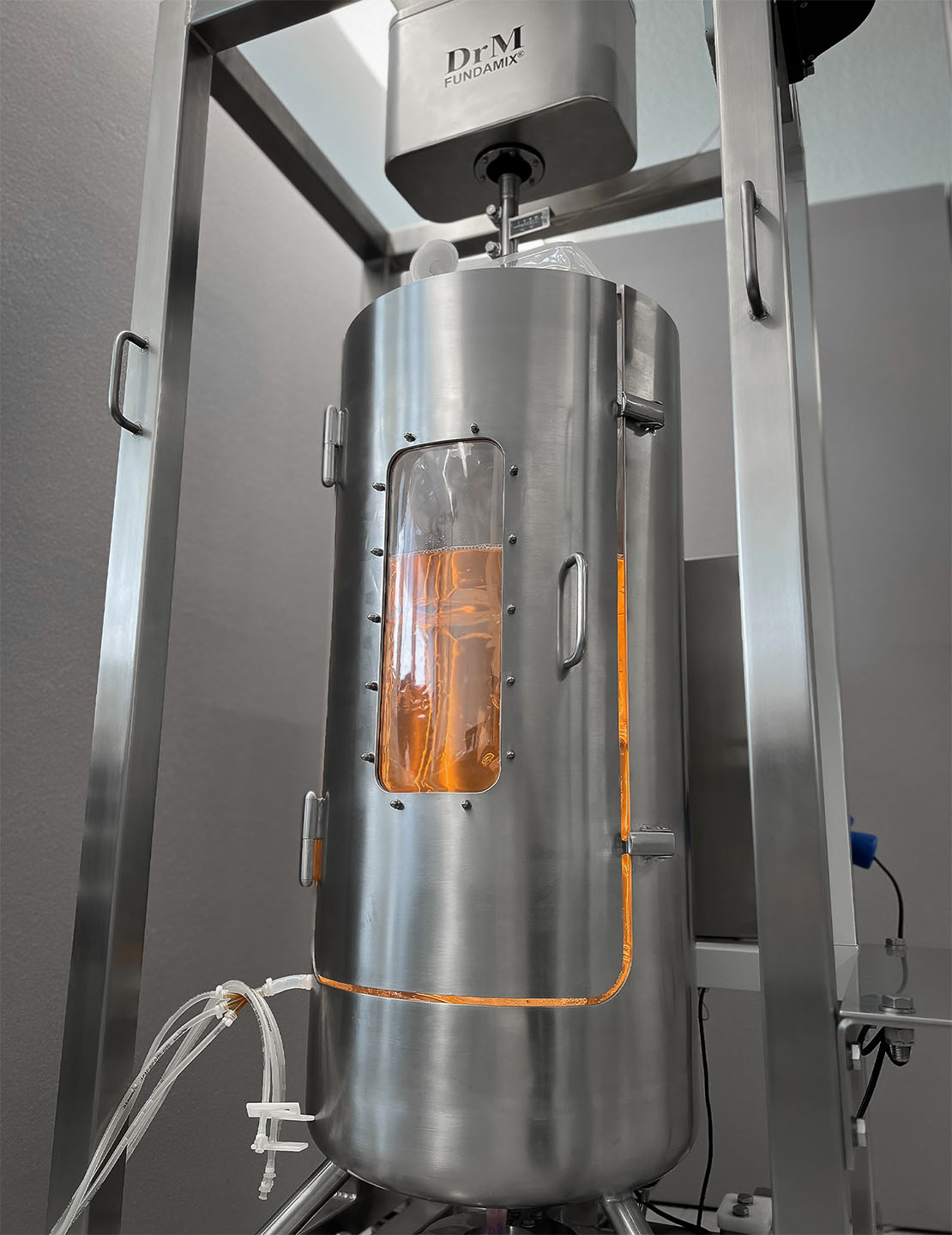
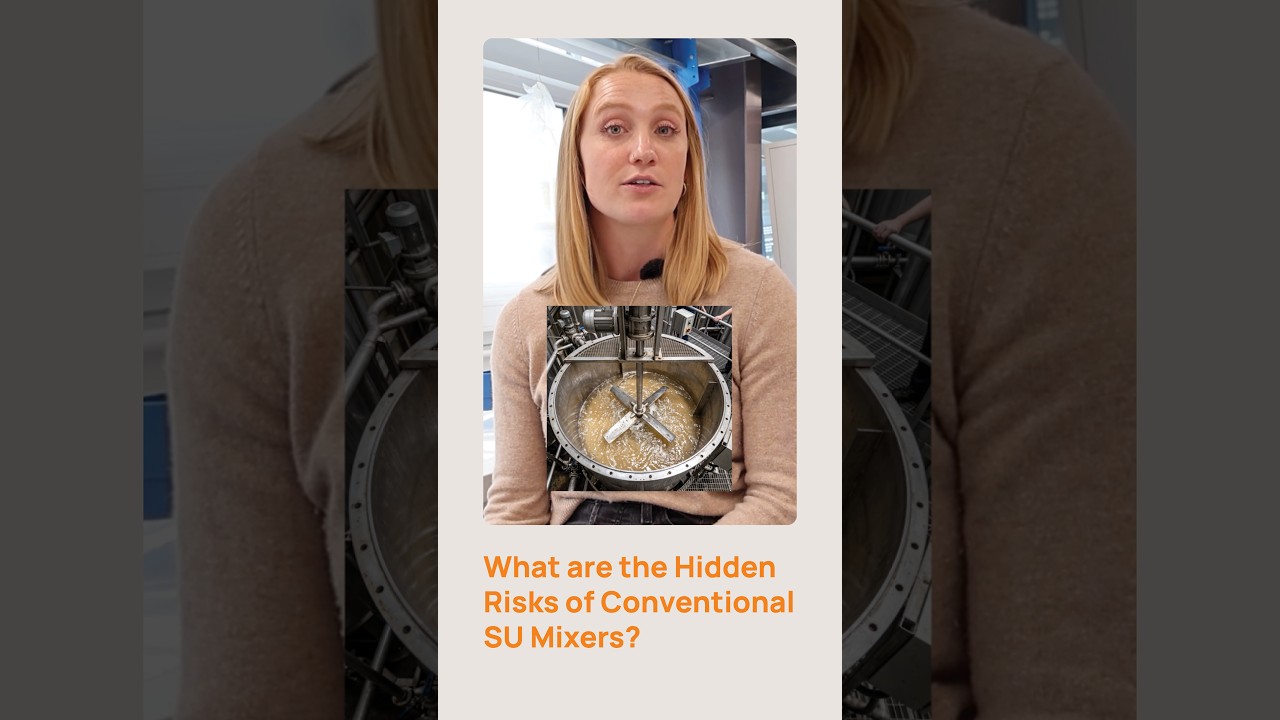
Single-Use MixerThe same vibration-based mixing principle built for disposable bags, with the drive mounted outside the bag for a non-invasive, sterile setup.
The Origins of Vibratory Mixing Technology
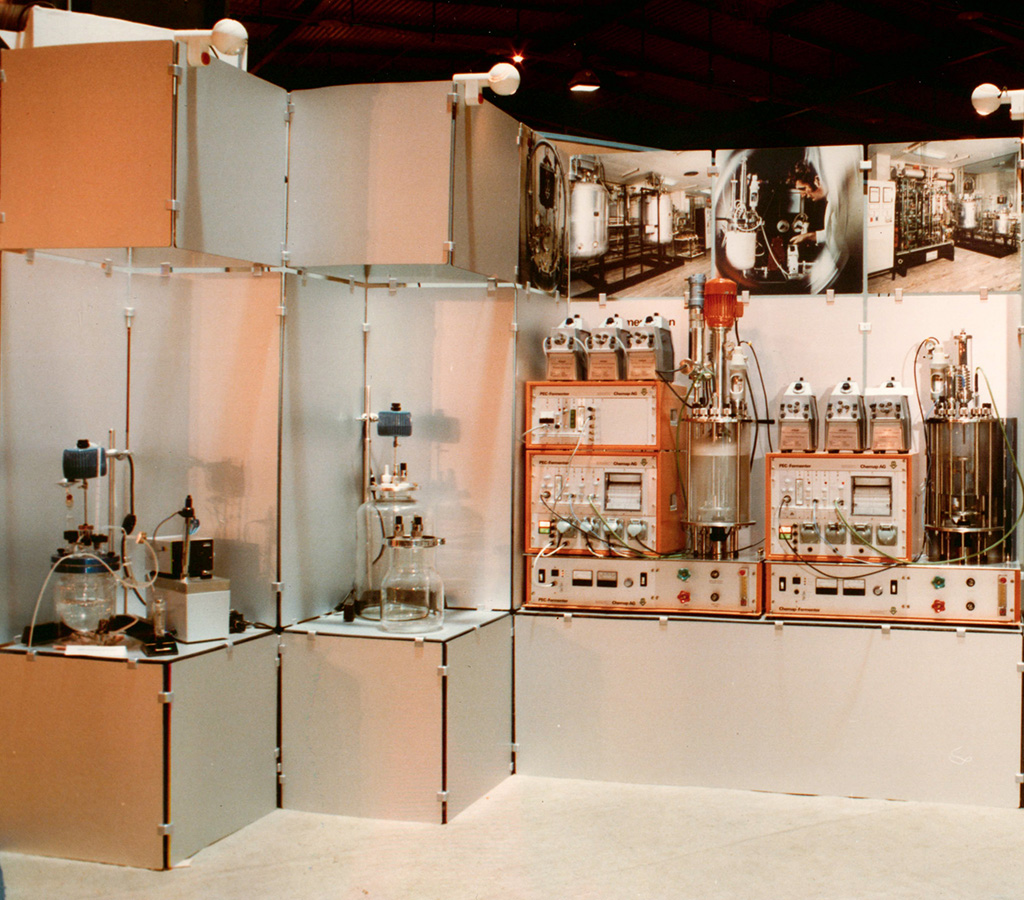
He developed the first electromagnetic vibromixer at Chemap AG, the company he founded to commercialize his solid-liquid separation and mixing inventions. When he sold Chemap in the early 1980s and founded a new company, DrM, Dr. Mueller AG, the vibromixer did not come with him. It was produced and developed for the next 29 years by Graber & Pfenninger GmbH, before DrM bought the technology back.
Back at DrM
2012: DrM reacquires the original vibromixer technology and reintroduces it under the FUNDAMIX® name, with a newly engineered drive.
2018: A redesigned drive leads to FUNDAMIX® Silent, with quieter, more efficient operation.
2020: DrM introduces FUNDAMIX® SU, adapting the same vibration-based mixing principle for single-use bioprocessing.
 Loads from YouTube
 Loads from YouTube
 Loads from YouTube
 Loads from YouTube










Vibromixer Technology in Metal Leaching: How FUNDAMIX® Supports Hydrometallurgical Mixing
FUNDAMIX® Vibro-Mixer for Anaerobic Tetanus Vaccine Fermentation
Cold Emulsification in Cosmetics: How Vibratory Mixing Compares to Rotor-Stator
Gentle Mixing for Insulin Production: How the FUNDAMIX® Vibro-Mixer Protects Protein Integrity
Rethinking Industrial Mixing Concepts Beyond Conventional Stirred Tanks
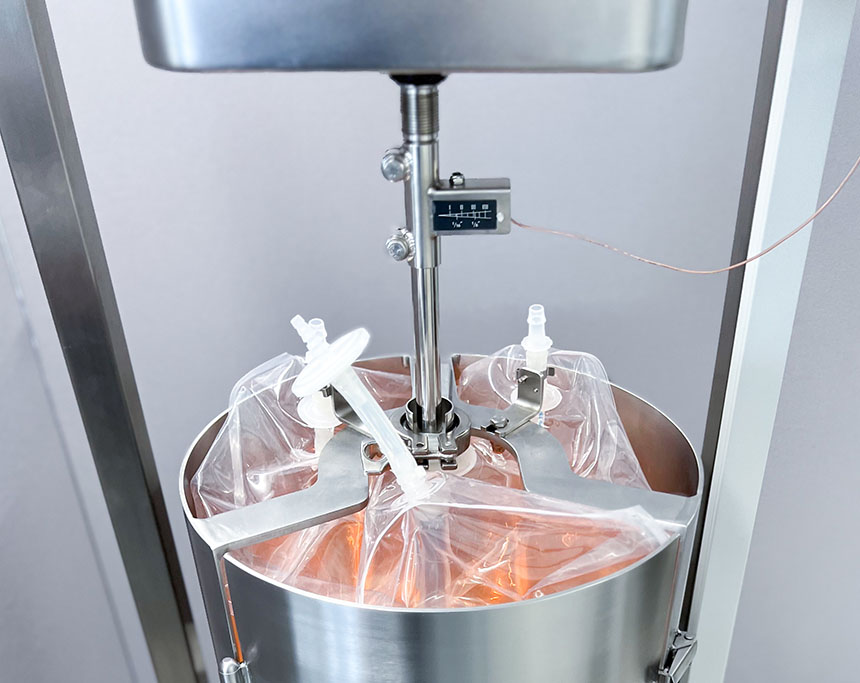
Sterile and Sustainable Mixing for the Future of Pharma Manufacturing
Frequently Asked Questions
FAQHow is the shaft sealed if it moves up and down?
Instead of a mechanical shaft seal, the shaft passes through a flexible elastomer diaphragm clamped between the sealing components. The diaphragm deforms elastically with the vertical stroke of the shaft, so the process stays sealed without rotating seal faces or other friction-based sealing elements. This removes seal-face wear and the heat it generates, along with the need for lubrication or barrier-fluid systems. Fewer wear parts and no lubricants or seal fluids at the sealing point reduce contamination risk, while the diaphragm maintains a physical barrier between the process and the environment.
How does vibratory mixing scale from lab to production?
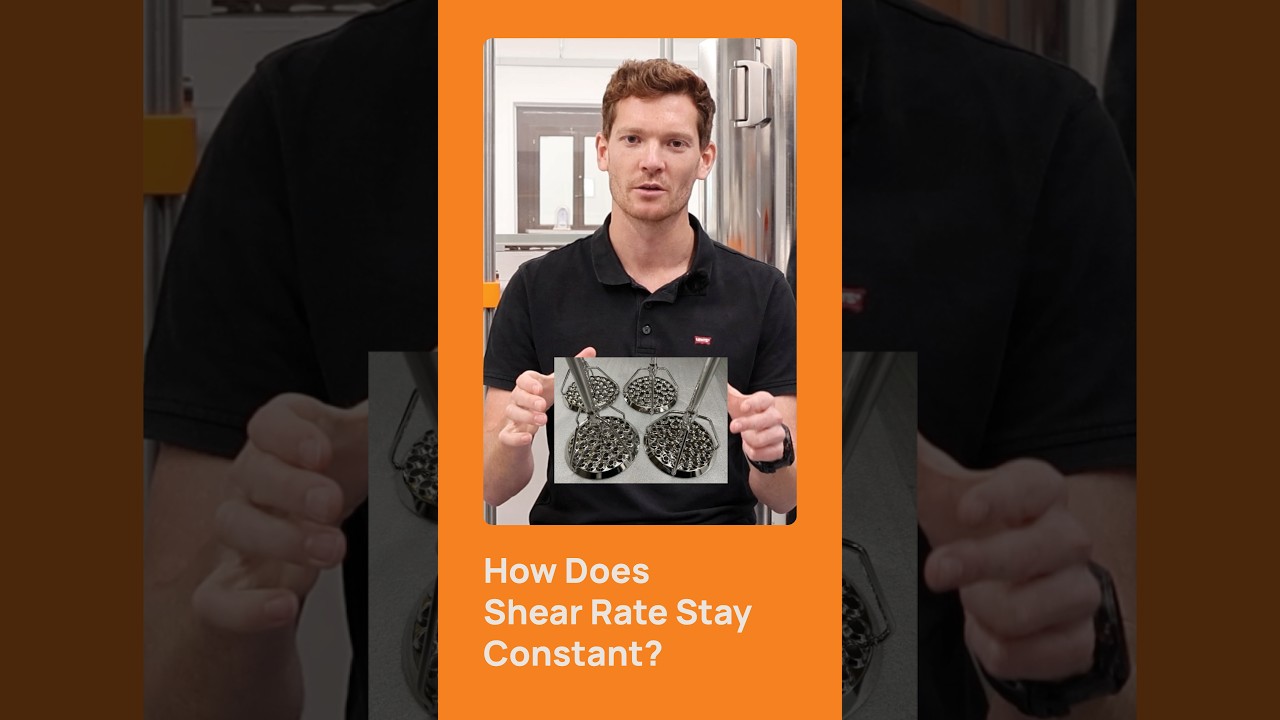
Vibratory mixing scales on a geometric basis. When a process moves from lab or pilot scale to production, the ratio of vessel inner diameter to mixing plate diameter is kept as close as possible to the one used in the trial. This preserves the flow pattern the oscillating plate generates, regardless of equipment size. Oscillation amplitude is then the main adjustable parameter, set to achieve the required mixing effect. Each FUNDAMIX® drive size is available with a range of plate diameters, so this ratio can be matched across the full model range.
Is vibratory mixing only suitable for gentle mixing?
No. Mixing intensity is set by the amplitude and frequency of the plate, not by a fixed impeller geometry, so the same principle covers a wide intensity range. At low amplitude it keeps cell cultures and protein solutions in gentle circulation. At higher amplitude it generates intense turbulence zones strong enough to emulsify two immiscible liquids.
When is a rotating agitator still the better choice?
A high-shear rotor-stator homogenizer is the better choice when the goal is the smallest possible droplet size, since its concentrated shear breaks droplets down further than an oscillating plate does. Viscosity is the other deciding factor. Vibratory mixing performs best in low-viscosity liquids, where the plate's pumping action circulates the whole vessel quickly. As viscosity rises, results depend increasingly on the specific product. Some high-viscosity formulations mix well, while others are better served by a rotating impeller designed for viscous duty. For products in this range, a trial on a DrM test unit is the most reliable way to decide.
Resources & Downloads
Download detailed brochures for FUNDAMIX®, Packaged Units, and FUNDAMIX® SU to explore each format and find the right fit for your process.