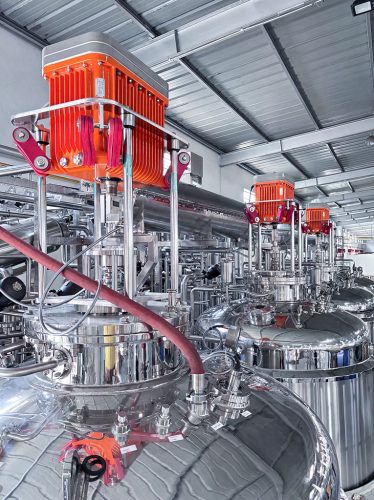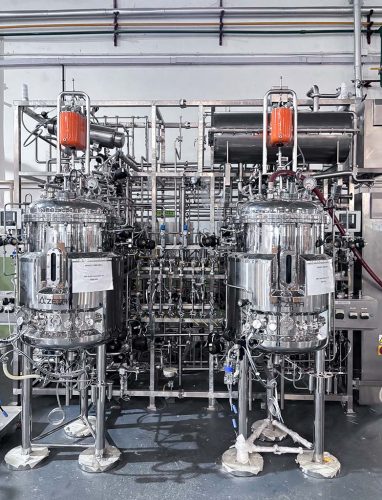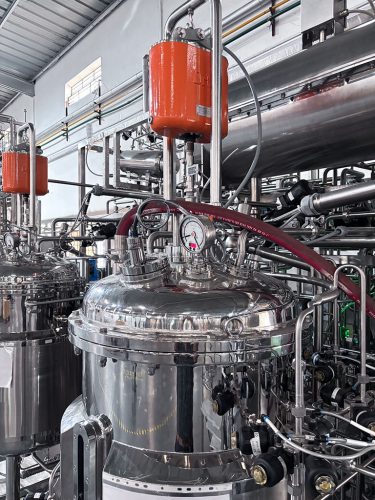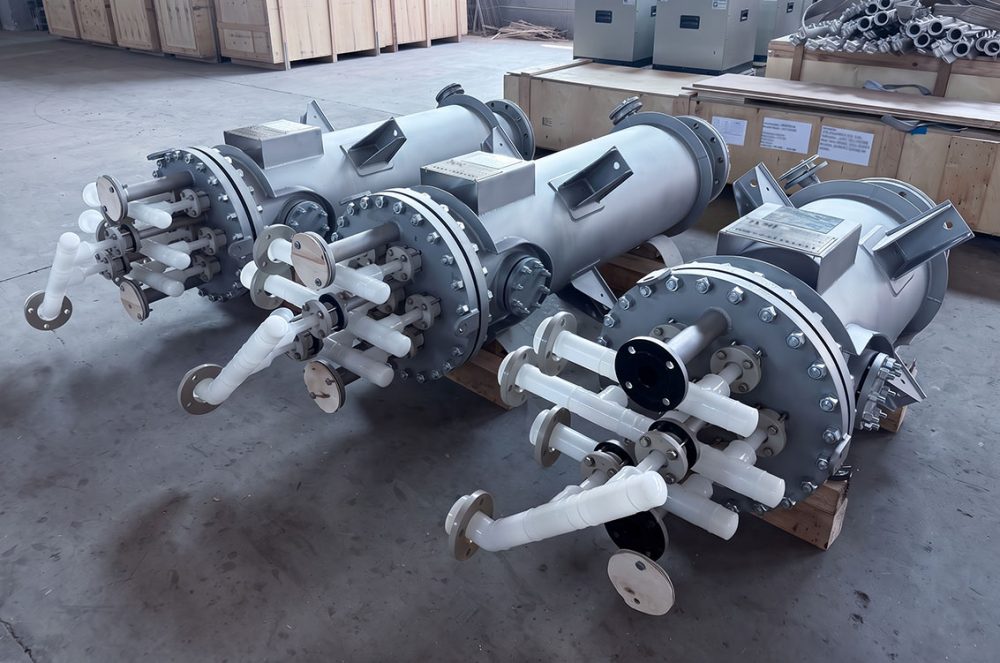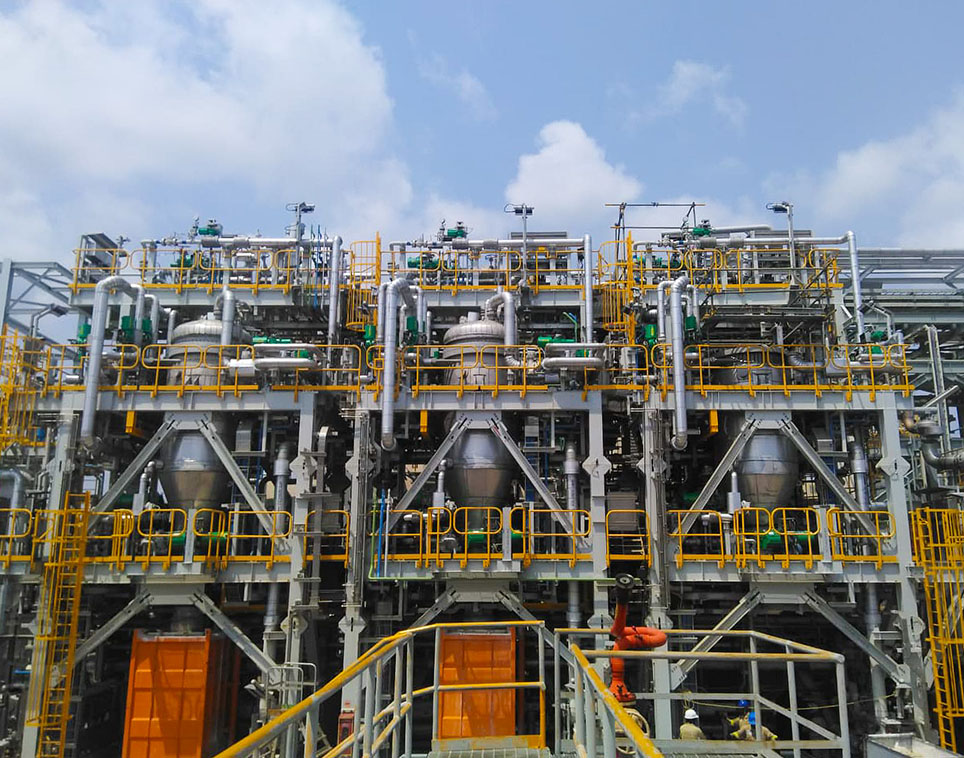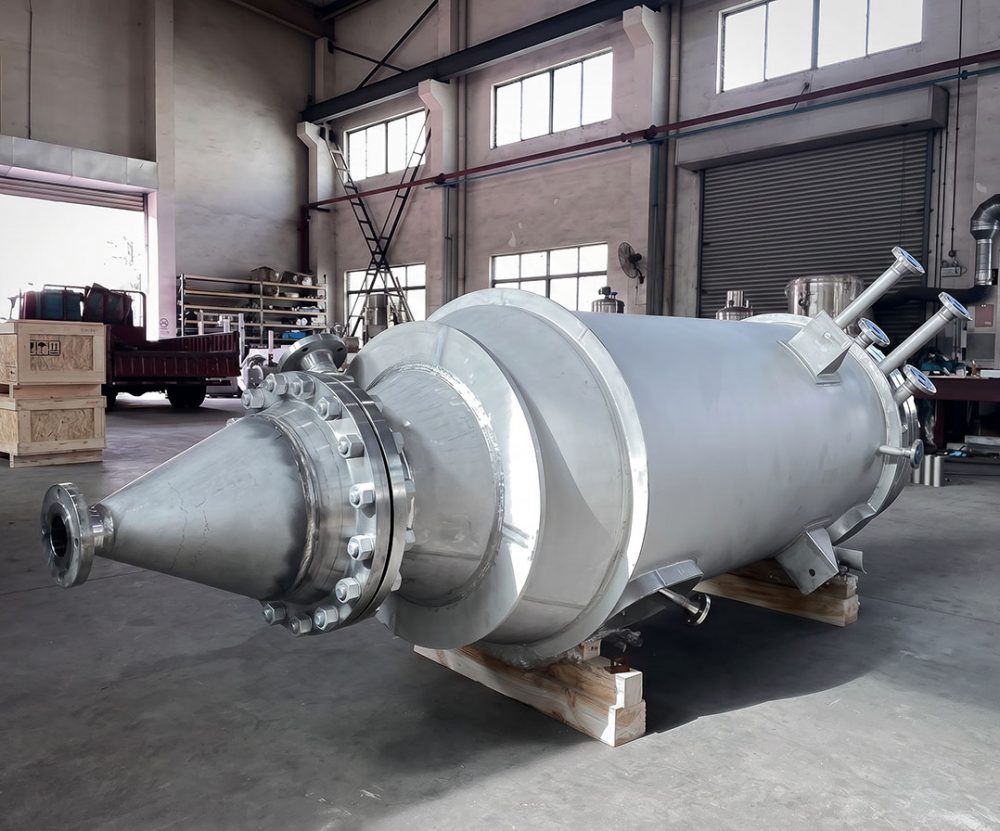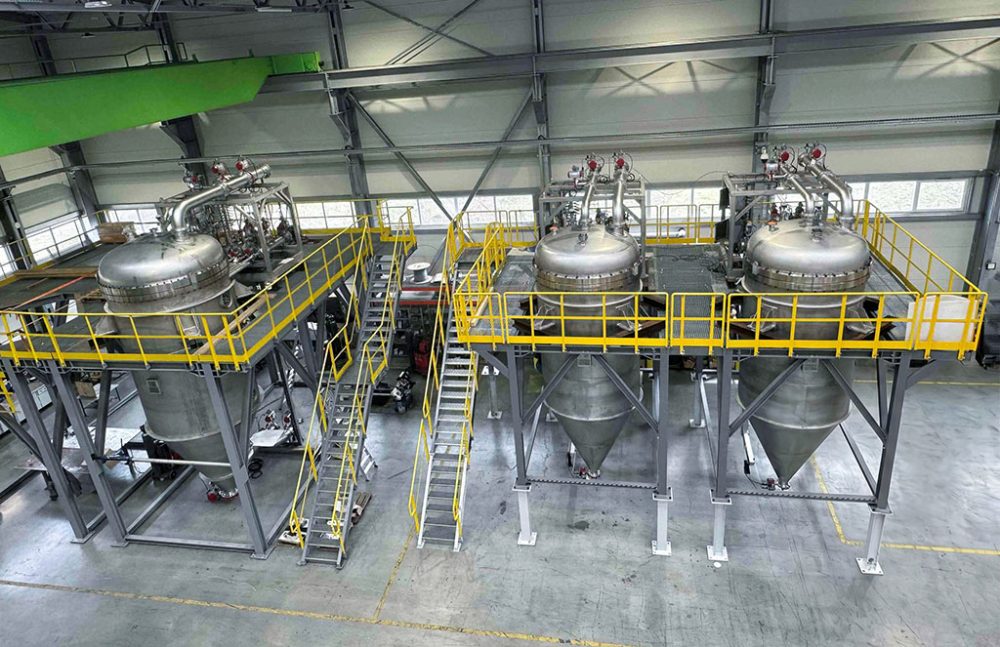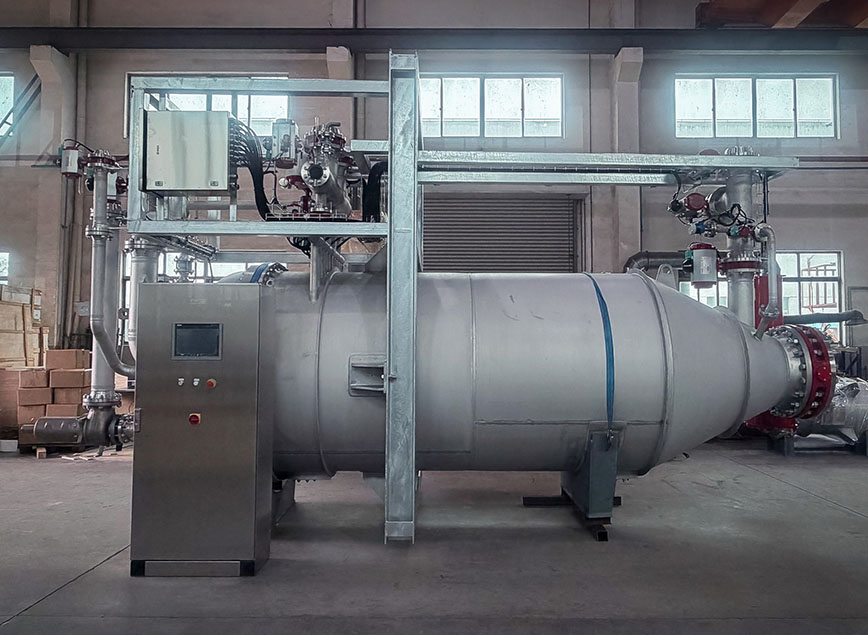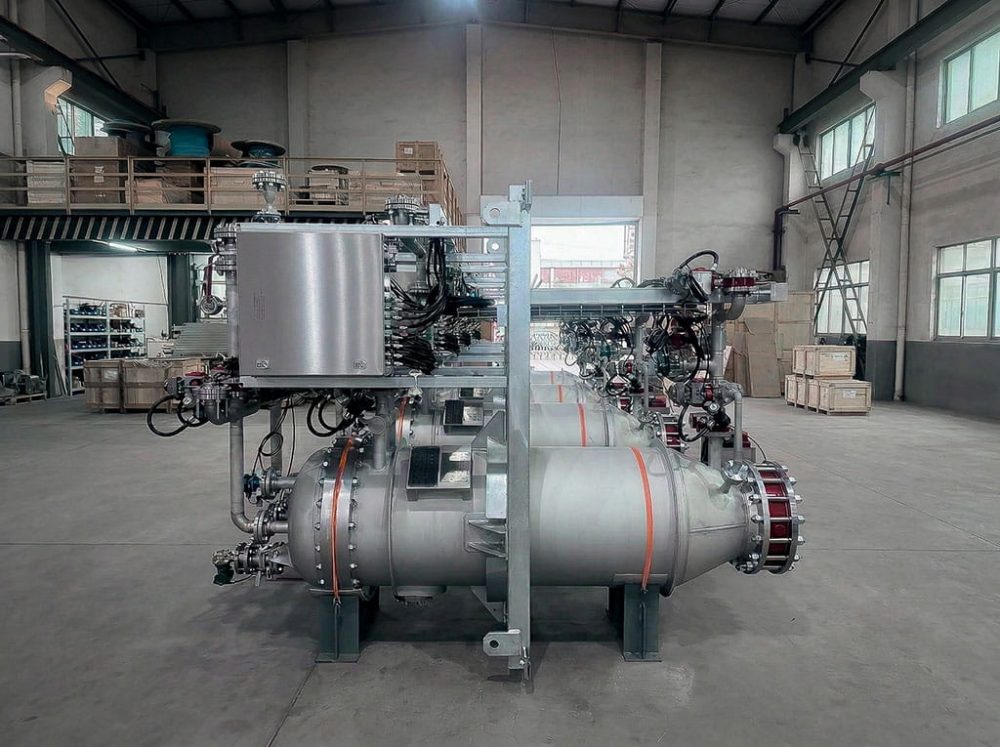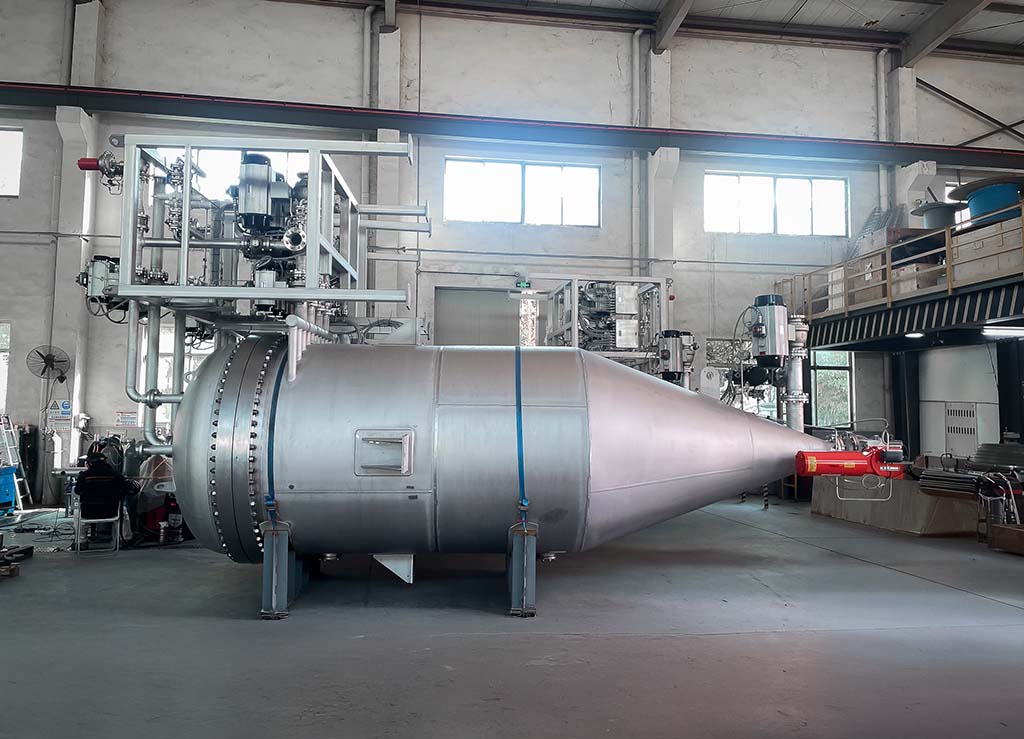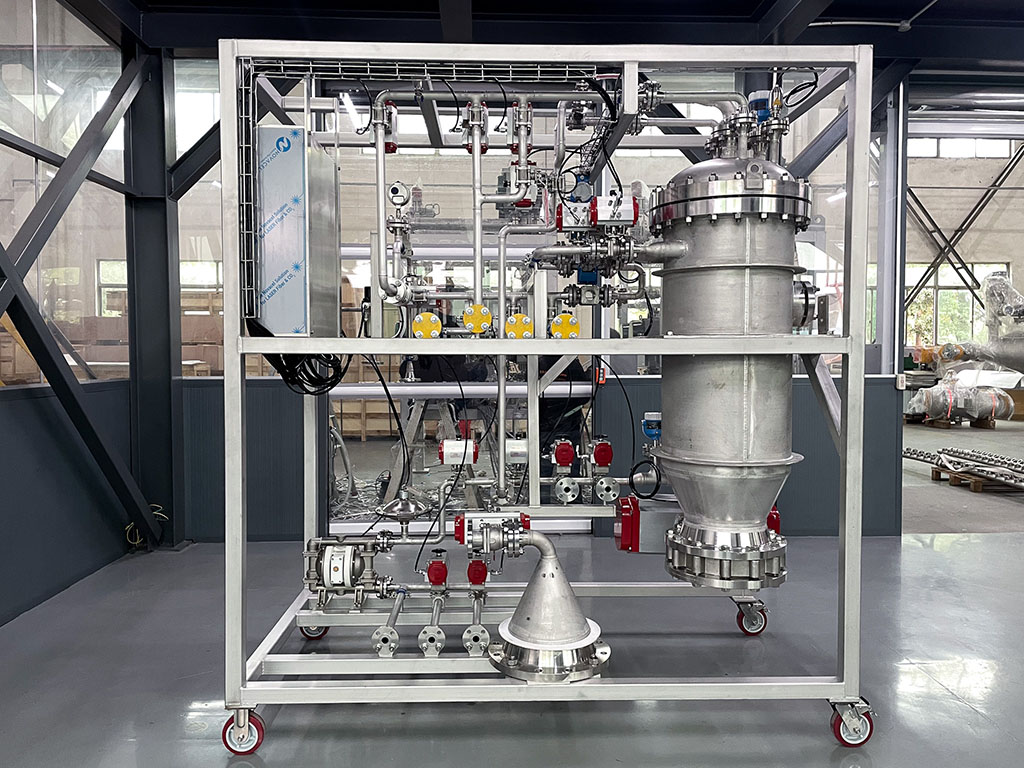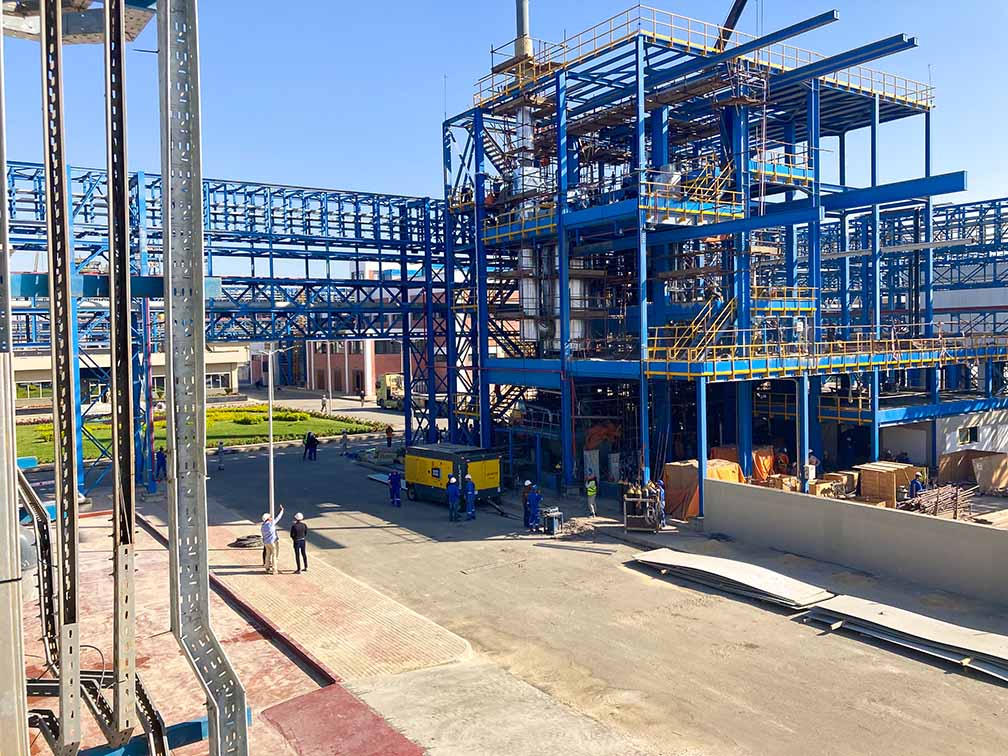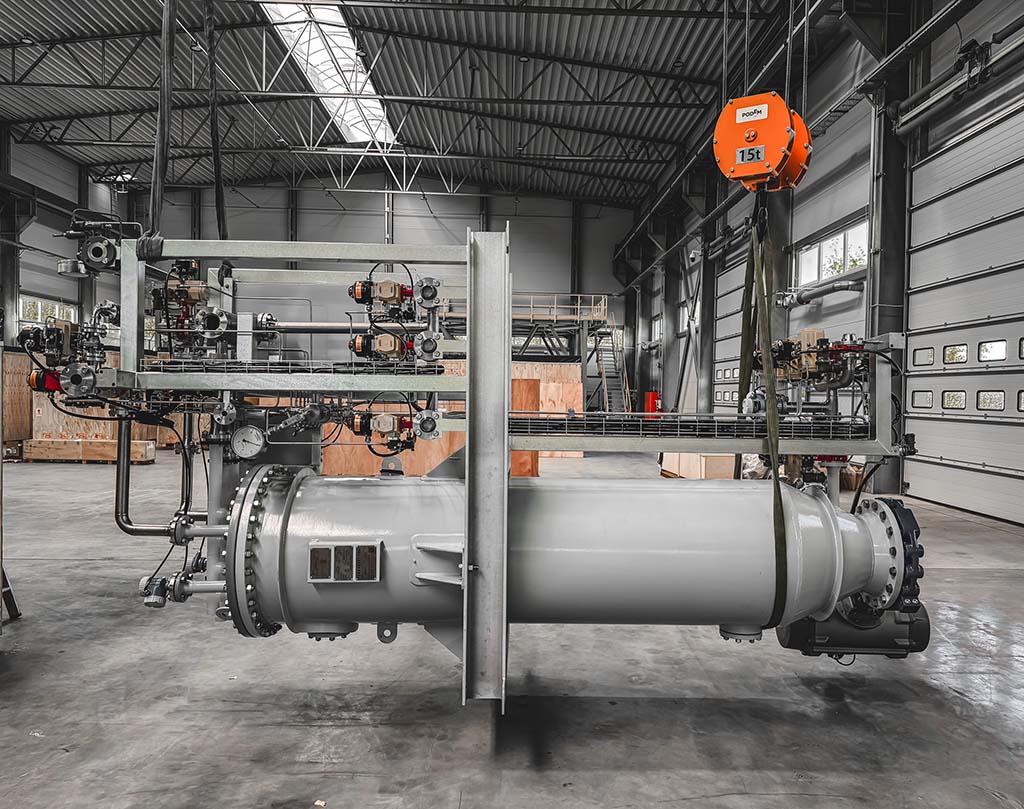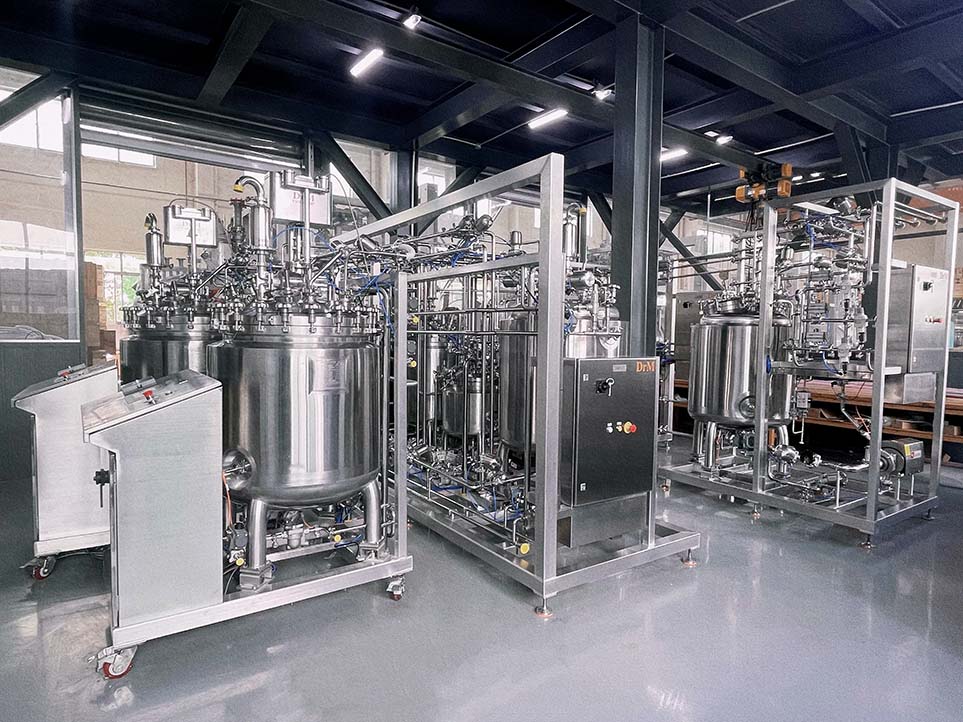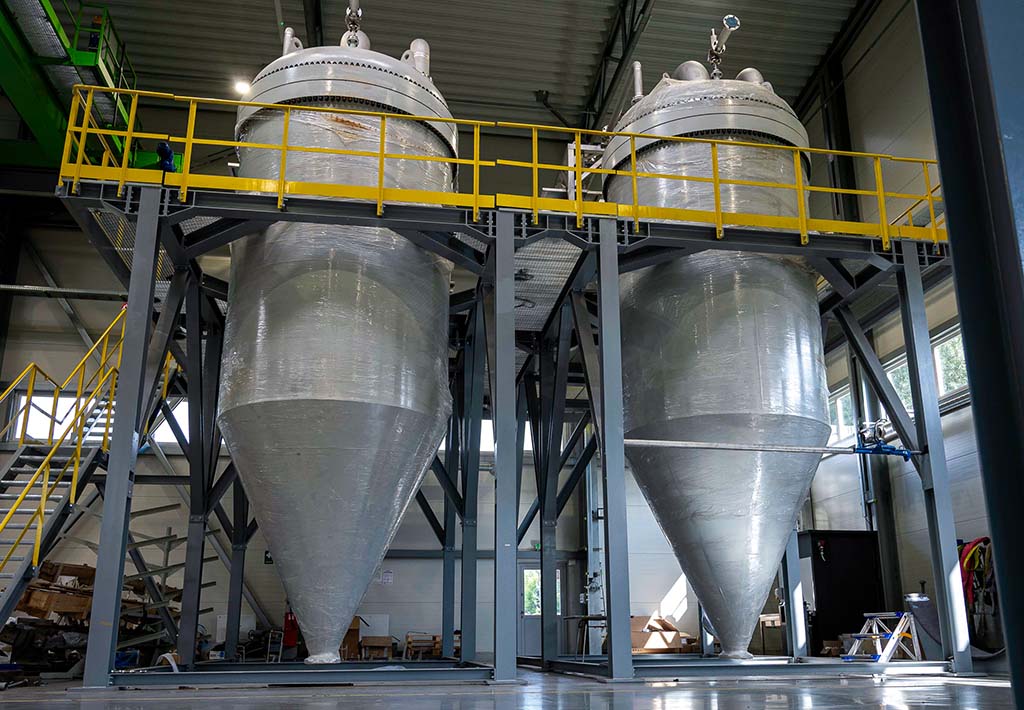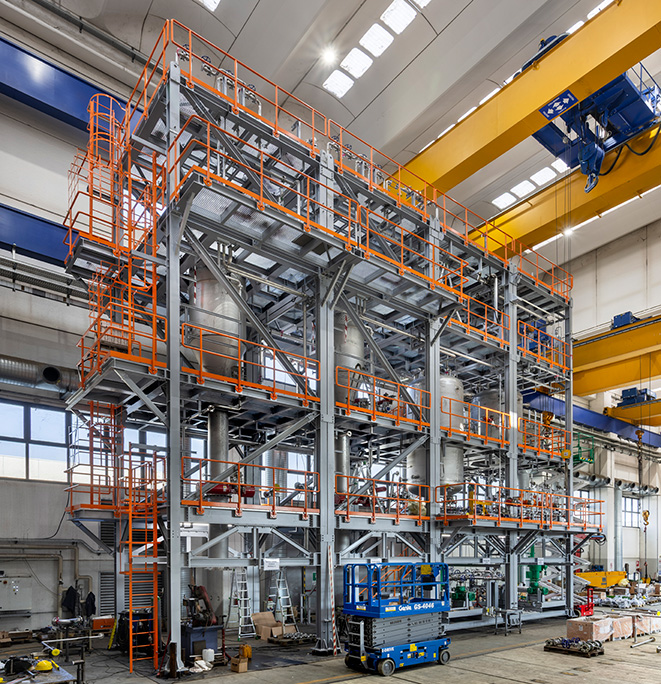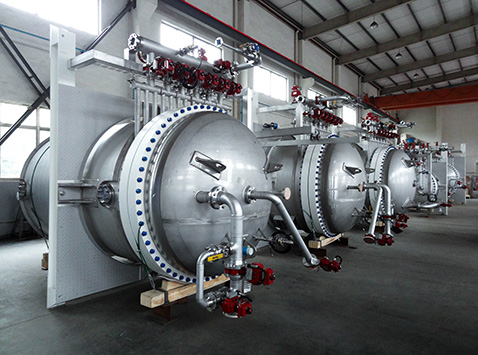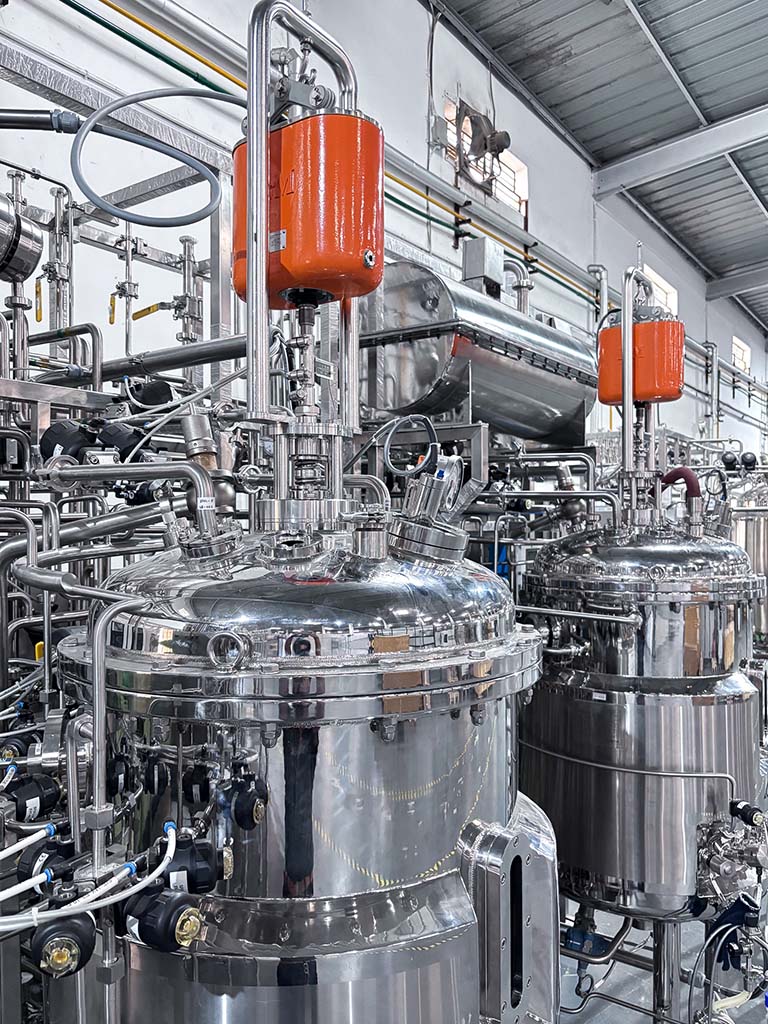
A pharmaceutical manufacturer in India required mixing equipment for anaerobic tetanus vaccine fermentation and downstream preparation stages. The process presented a specific engineering conflict: byproduct gases must be removed continuously from the broth, yet the bacterial cultures involved are sensitive to the shear and turbulence that conventional agitation relies on to achieve that transport. DrM delivered six FUNDAMIX® Vibro-Mixer units across the customer’s process train, covering both fermentation vessels and preparation stages.
Project at a glance
| Customer | Pharmaceutical manufacturer, India |
| Application | Anaerobic tetanus vaccine fermentation and downstream preparation |
| Scope | Six FUNDAMIX® Vibro-Mixer units (four FM-4 and two FM-3) |
| Process challenge | Continuous gas removal without shear damage to bacterial cell membranes |
What mixing challenge does anaerobic tetanus fermentation present?
Unlike aerobic fermentation, anaerobic tetanus fermentation generates byproduct gases throughout the culture cycle. Hydrogen, carbon dioxide, and nitrogenous gases accumulate continuously in the liquid medium: hydrogen disrupts the redox balance required for bacterial metabolism, carbon dioxide drives the broth toward acidity, and nitrogenous gases further destabilize the pH environment. Left unmanaged, gas accumulation inhibits culture growth and compromises batch quality.
The conflict for mixing equipment is direct. Conventional impeller-based mixers rely on turbulence to transport gas from the bulk liquid to the vessel surface for release, but that same turbulence generates shear forces that damage the fragile bacterial cell membranes the fermentation depends on. Increasing mixing intensity to improve gas removal amplifies the shear risk; reducing it to protect the culture allows gas to accumulate. Standard rotary agitation does not resolve this trade-off. It forces a compromise.
Why was FUNDAMIX® selected for this installation?
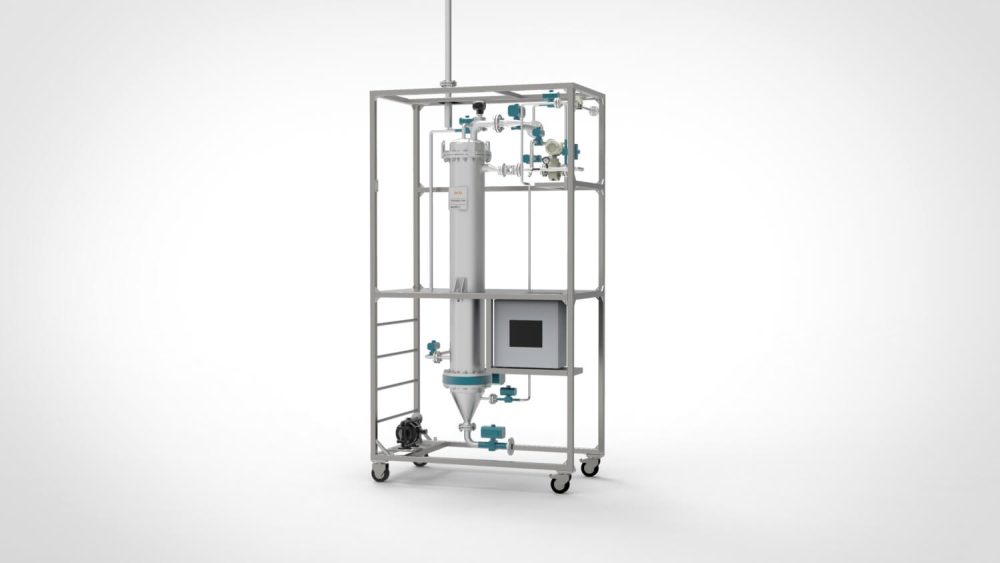
Vibration-based mixing addresses the gas removal and shear sensitivity conflict through a fundamentally different mechanism. The FUNDAMIX® Vibro-Mixer uses an electromagnetically driven oscillating plate that generates directed vertical flow through the liquid, carrying gas-laden broth upward to the vessel surface for release, with degassed liquid returning along the vessel walls. There are no rotating parts in contact with the product, no baffles, and no vortex formation. Mixing intensity is adjustable through amplitude control, allowing operators to tune the system to each fermentation stage without mechanical intervention. The six-unit scope applied the same validated mixing approach across all fermentation vessels and downstream preparation stages.
How does FUNDAMIX® meet the sterility and compliance requirements of vaccine manufacturing?
Mixing performance alone is not sufficient in a regulated vaccine manufacturing environment. All product-contact surfaces are CIP and SIP compatible, supporting in-place cleaning and sterilization between batch cycles without disassembly. A Membrane Sealing Unit replaces the rotating mechanical seal used in conventional mixers, removing a persistent sterile boundary risk from the process; it operates under both pressure and vacuum, accommodating the range of conditions in anaerobic fermentation. Low positioning of the mixing plate enables effective mixing at reduced fill volumes, minimizing heel volume between cycles. The system is designed to cGMP regulations and EHEDG Hygienic Design Principles, meeting the documentation and design traceability requirements of pharmaceutical production.
This installation adds to DrM’s delivered reference base in vaccine and biologics manufacturing across South Asia, where FUNDAMIX® systems are in operation for insulin API preparation, vaccine fermentation, and biologics manufacturing. The value is not a product claim; it is a proven fit in a demanding, regulated process.