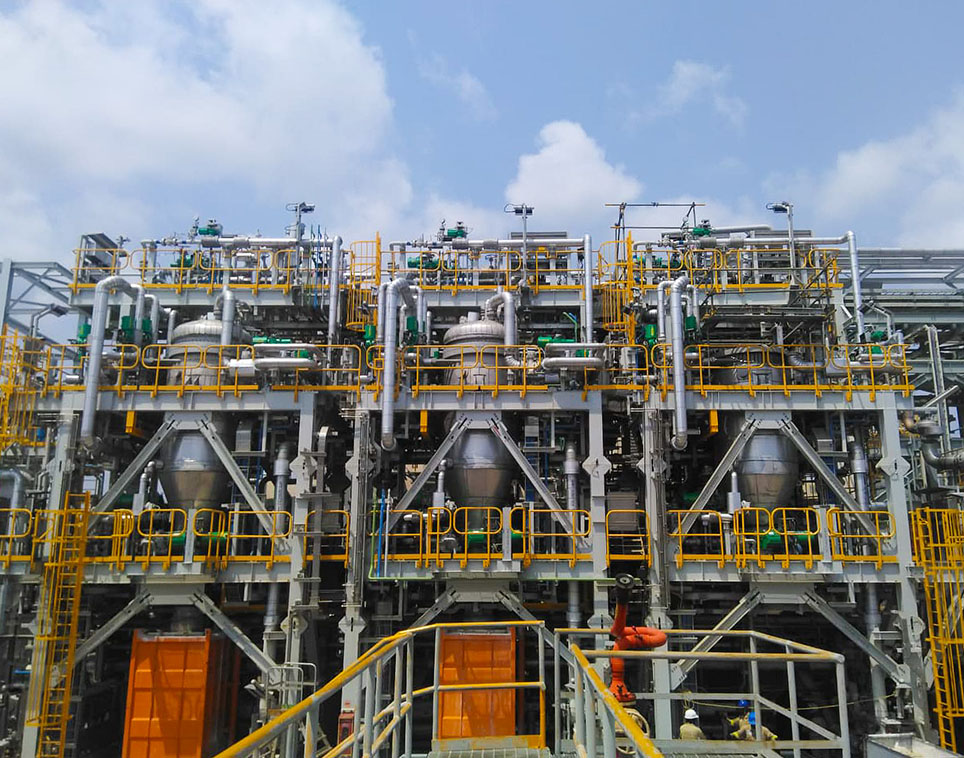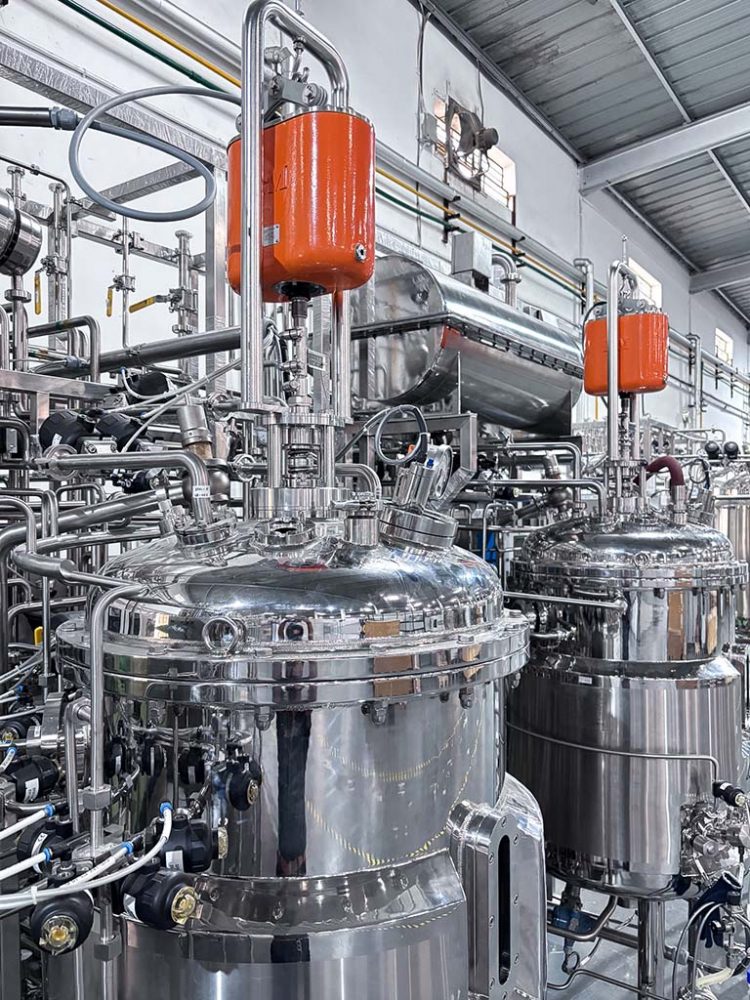
Lithium brine processing requires precise solids control at multiple stages of the process circuit. Suspended minerals, silica, carbonates, and scaling precursors must be removed reliably to protect downstream equipment and maintain process stability. Inadequate filtration at any stage affects sorbent performance, downstream unit availability, and ultimately product quality.
Project at a glance
| Customer | Major lithium producer, North America |
| Application | Lithium brine filtration (multi-stage solid-liquid separation) |
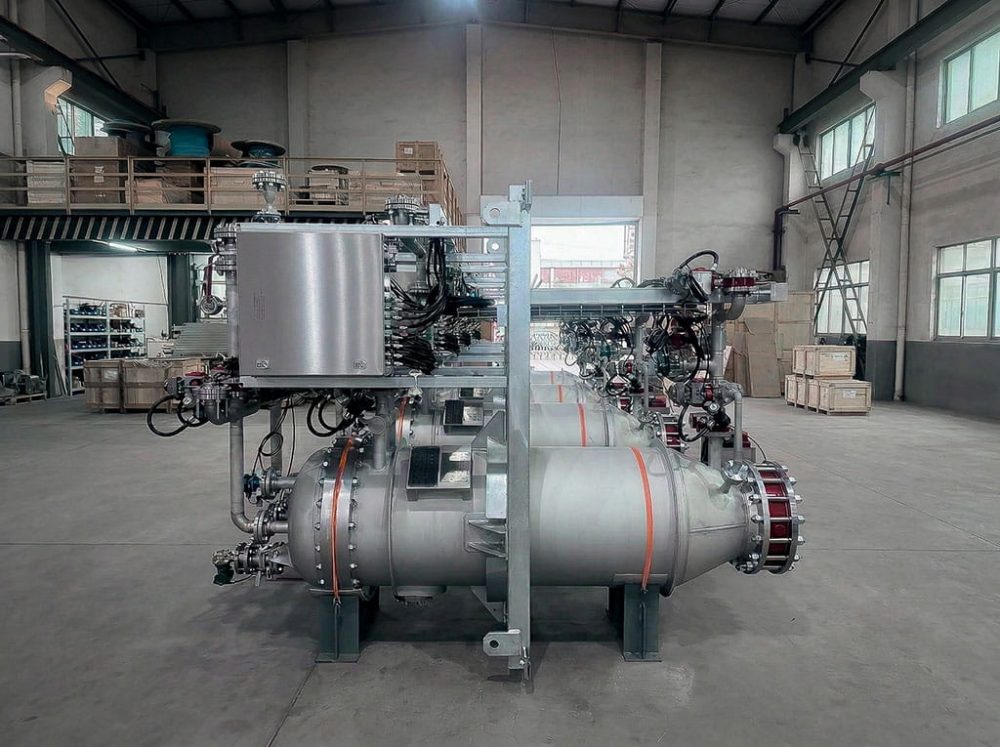
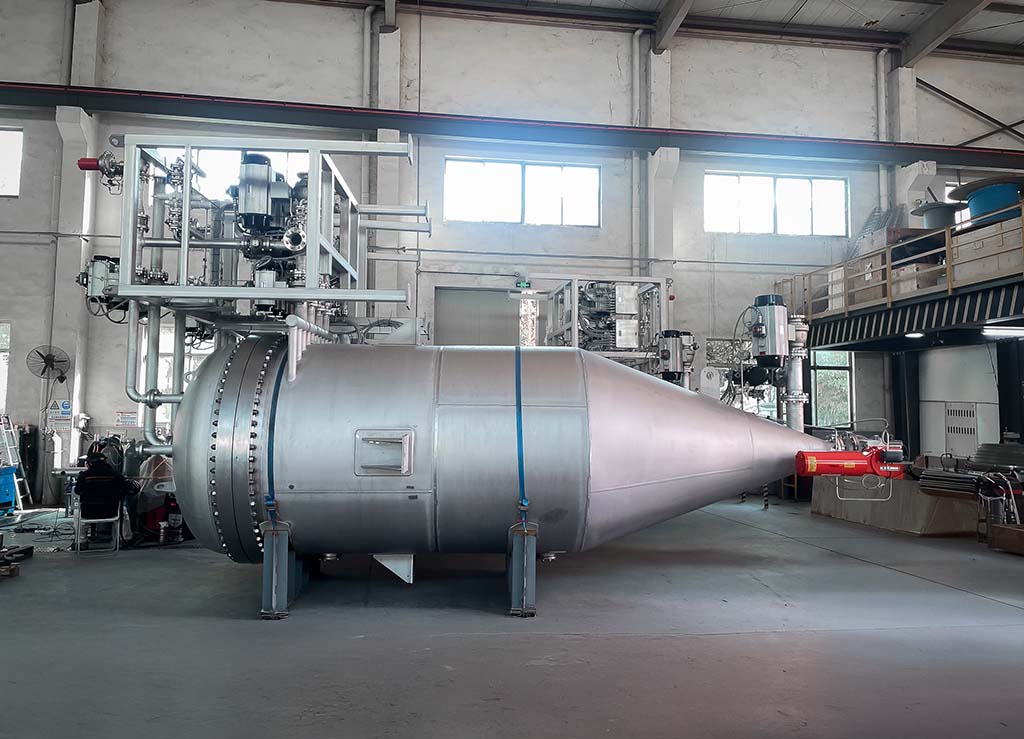
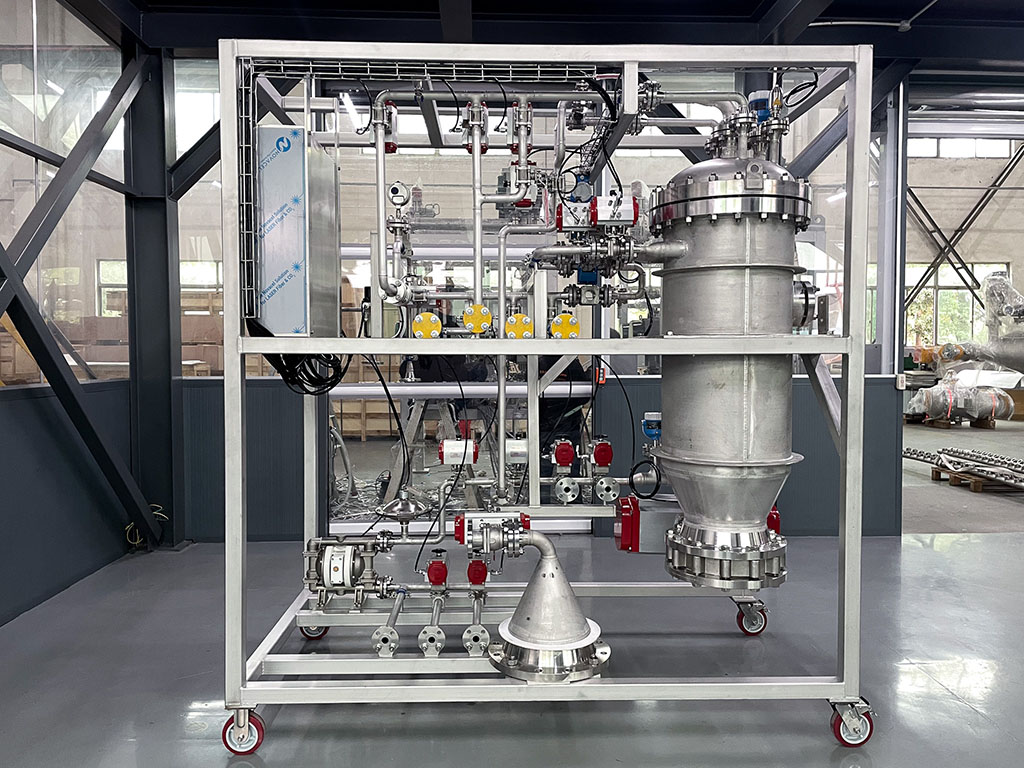
| Scope | Five candle filters on three semi-skids — three FUNDABAC® and two CONTIBAC® |
| Process challenge | Reliable solids control at multiple stages to protect sorbent beds, ion exchange, RO membranes and evaporators in corrosive, high-density brine |
What makes solid-liquid separation in lithium brine processing demanding?
Solids in a brine process originate from several sources: the brine itself, sorbent attrition during adsorption and regeneration cycles, chemical conditioning steps, and downstream crystallisation. Each source presents a different particle type and size distribution. At the pretreatment stage, suspended minerals and scaling precursors must be removed before the brine contacts the sorbent bed. Fine solids that pass through at this stage cause bed compaction and reduce permeability over time. Further into the process, sorbent fines and hydroxide precipitates must be captured to prevent fouling of ion exchange units, reverse osmosis membranes, and evaporators.
How were FUNDABAC® and CONTIBAC® configured for this lithium brine project?
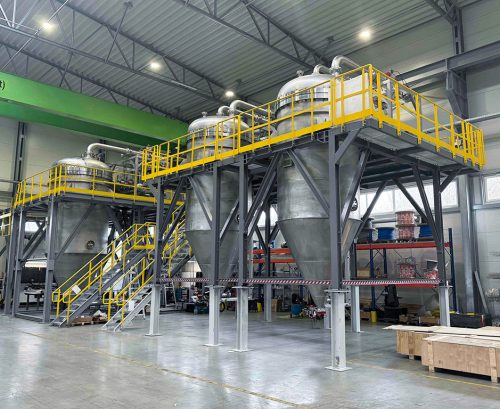
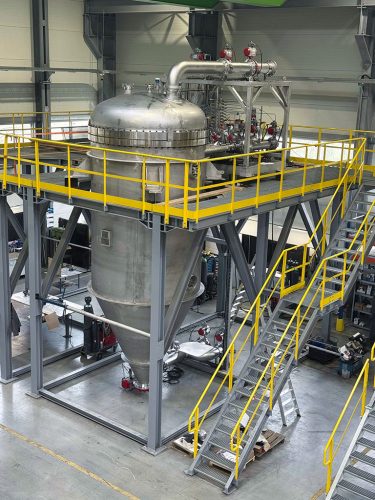
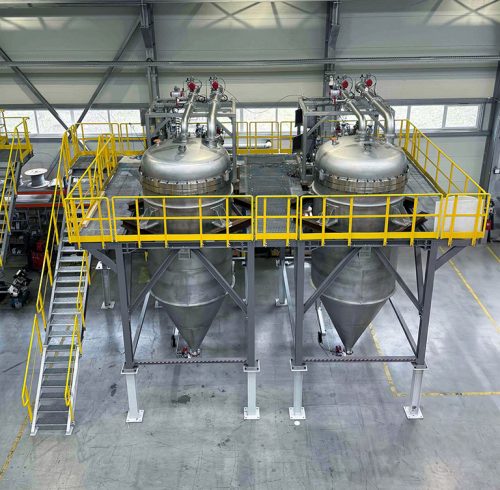
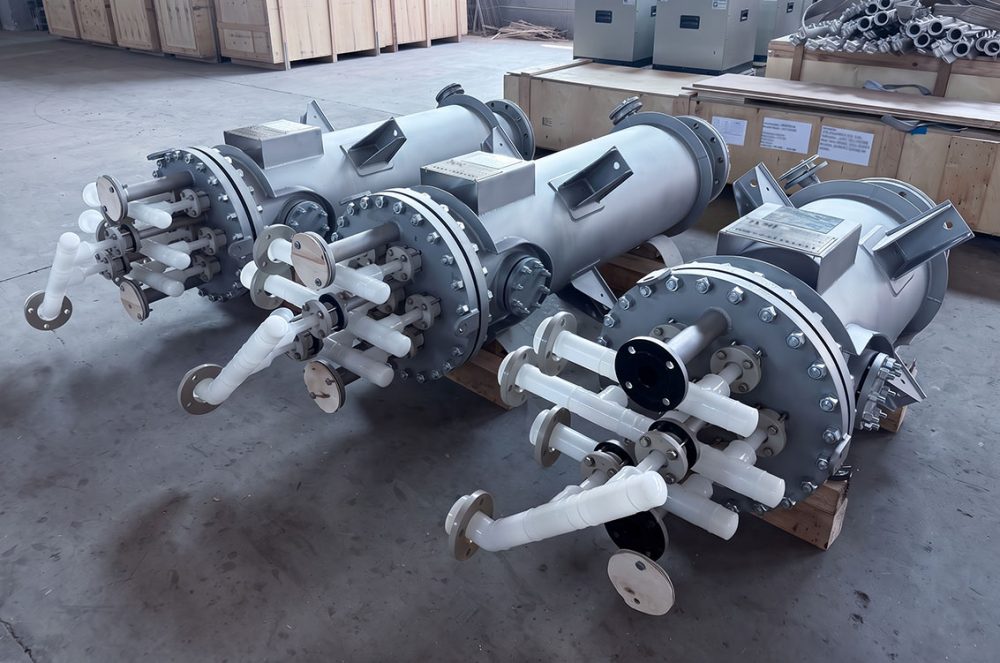
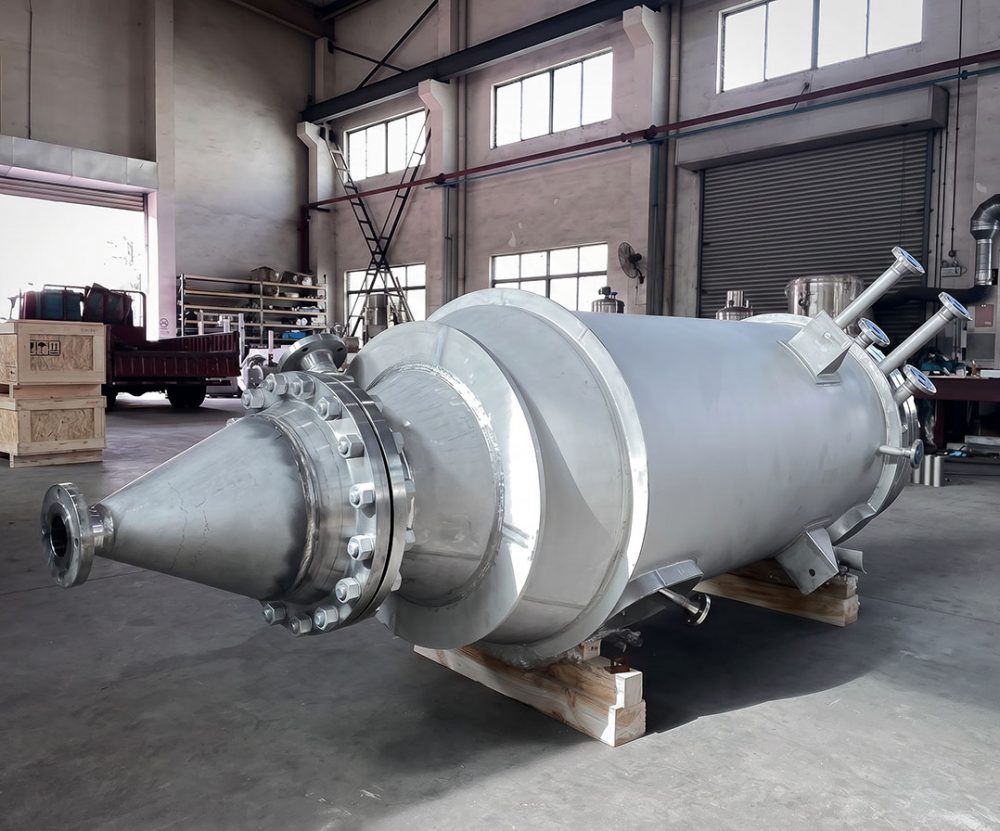
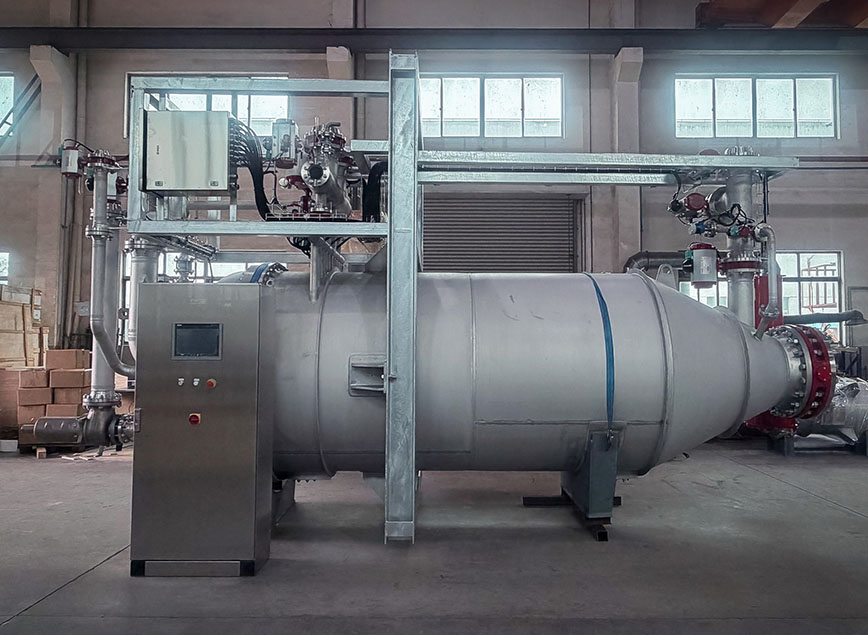
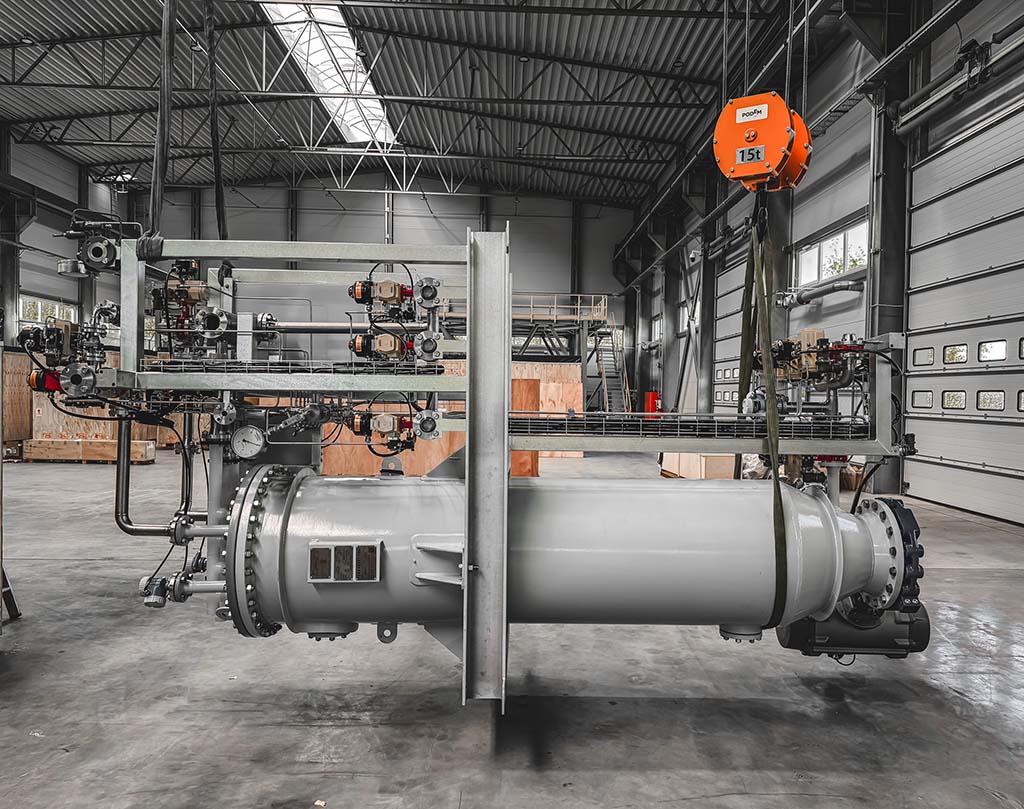
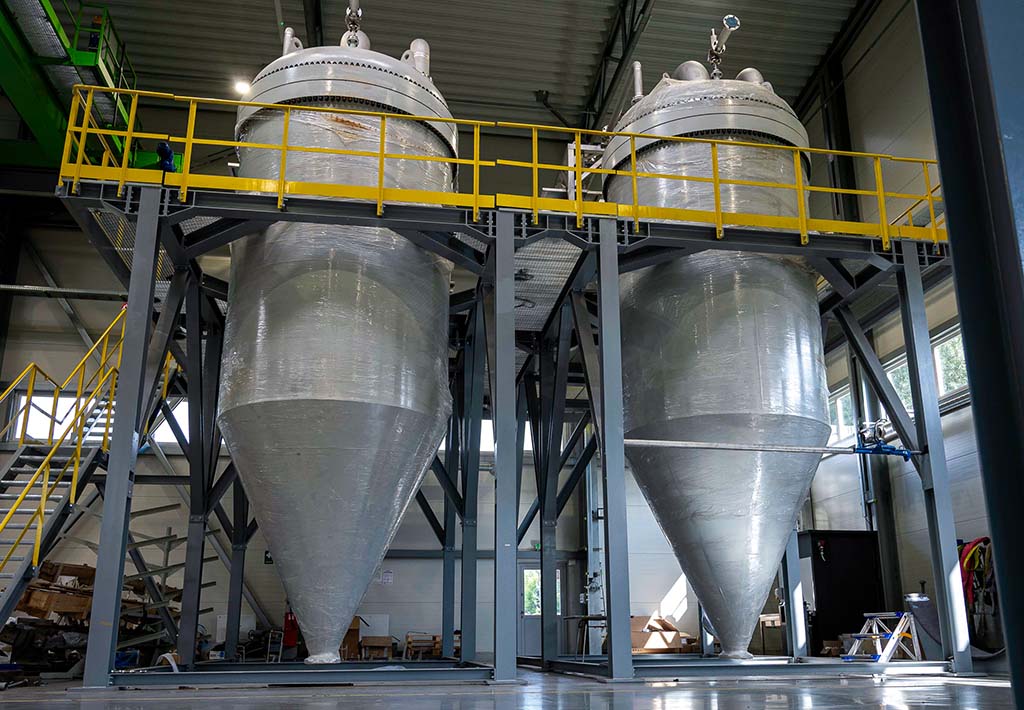
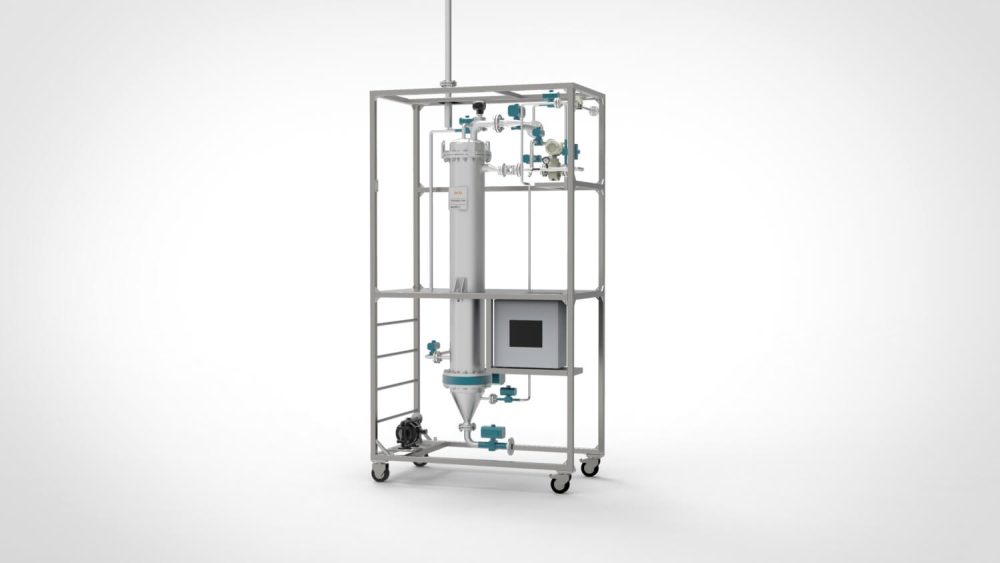
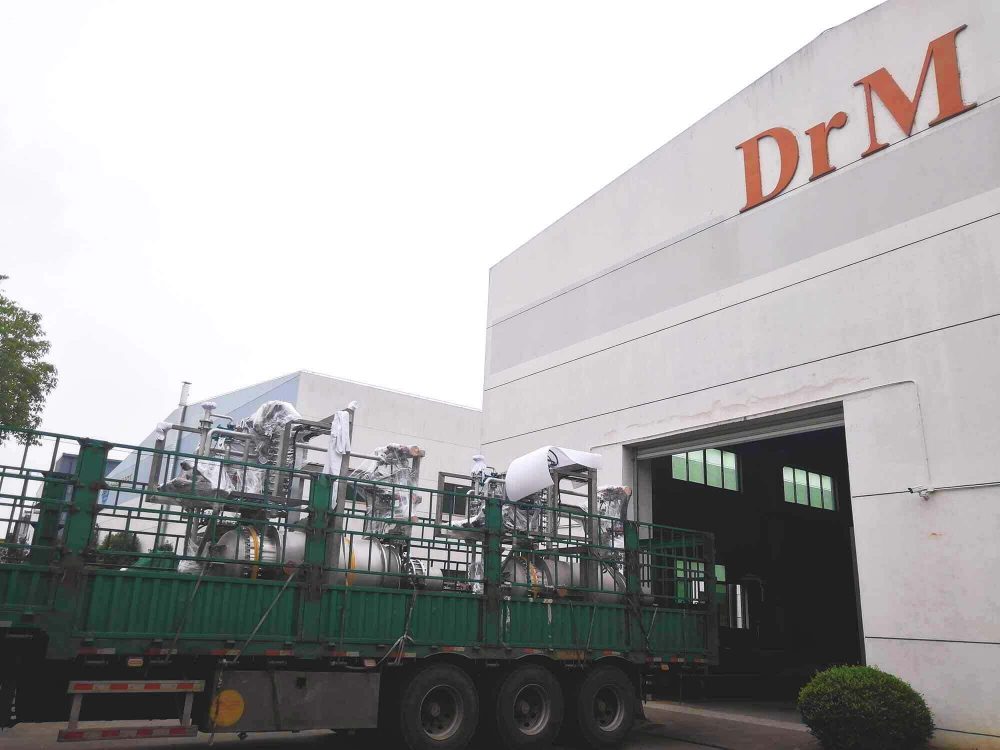
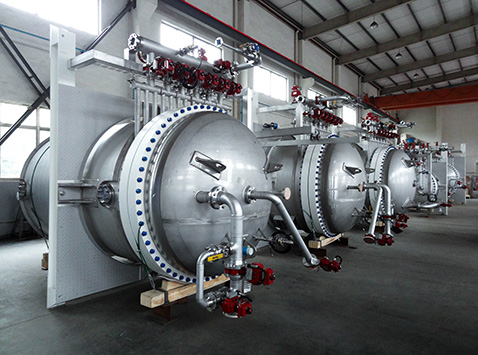
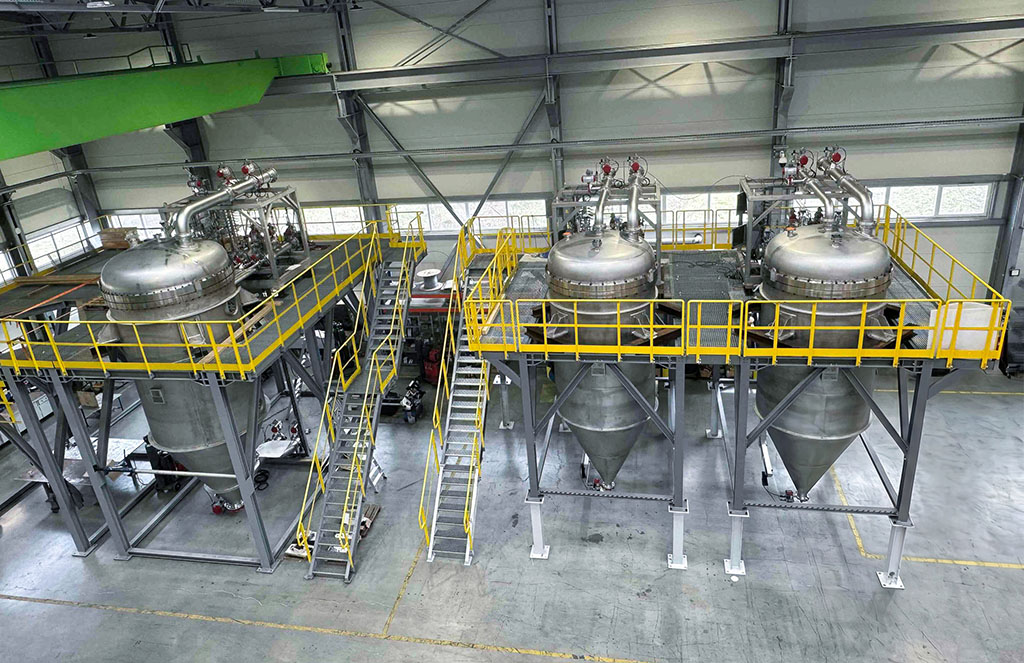
DrM supplied five candle filters across two work orders for a major lithium producer in North America. The FUNDABAC® candle filter system comprises three filters on a semi-skid, and the CONTIBAC® system comprises two filters on a separate semi-skid. All systems were manufactured at DrM’s production facility in Poland and are ready for delivery. The two semi-skid configuration addresses different filtration duties within the process circuit, with each system engineered for its specific stage of brine treatment.
Why are FUNDABAC® and CONTIBAC® suited to corrosive, high-density brine environments?
DrM’s candle filter systems are engineered for continuous duty in corrosive, high-density brines across a wide range of operating temperatures, from the elevated conditions of geothermal sources to the ambient temperatures of high-altitude salar environments. Pressure-driven operation provides stable cake formation and predictable cycle times regardless of brine variability. Automation-ready design with consistent cycle control supports integration into modular process trains and reduces operator intervention.
This project adds to DrM’s reference base in lithium processing and reflects the growing application of FUNDABAC® and CONTIBAC® across commercial-scale brine-based lithium production.