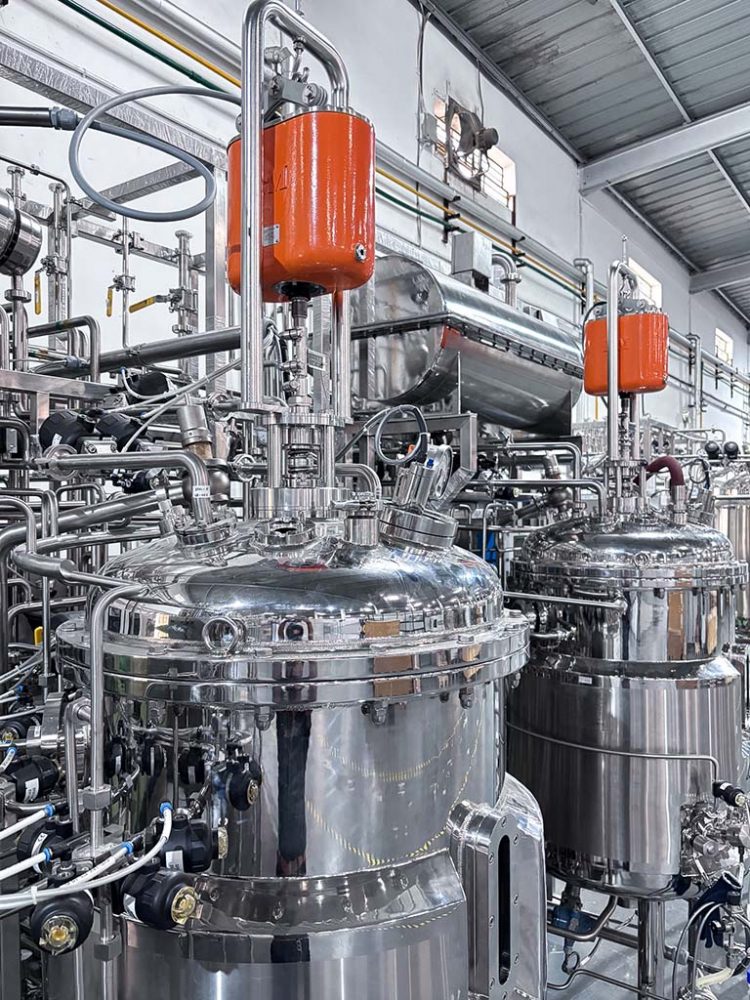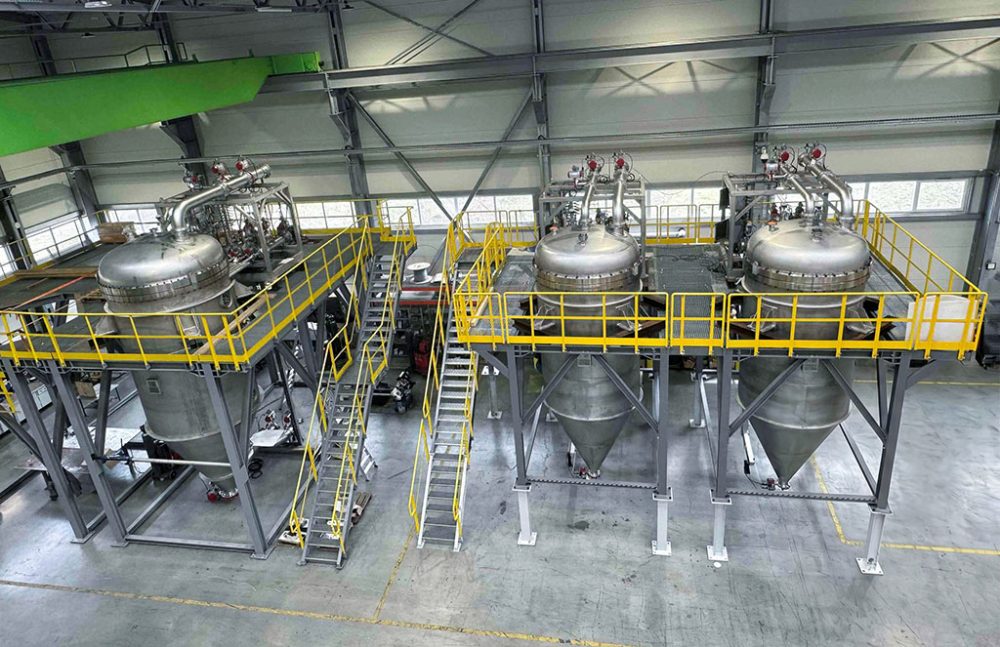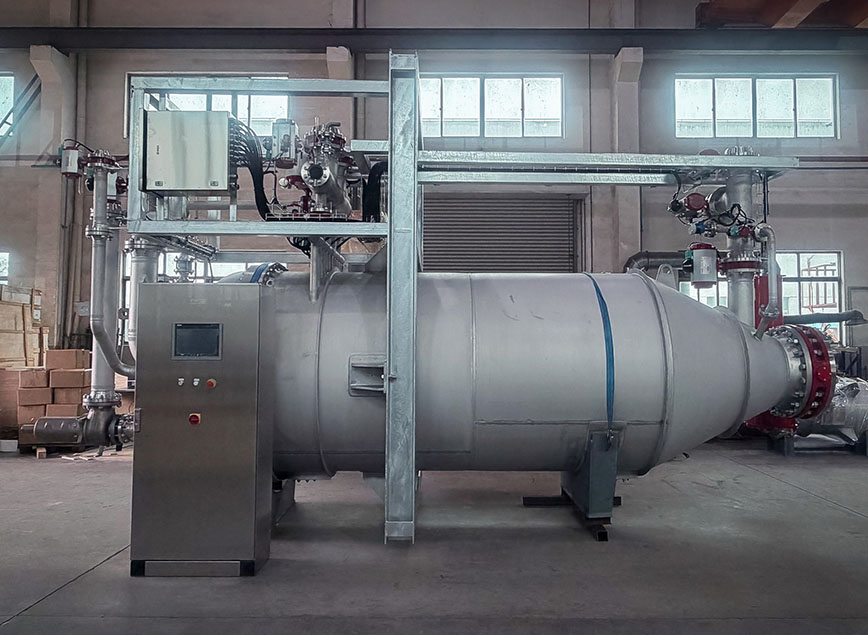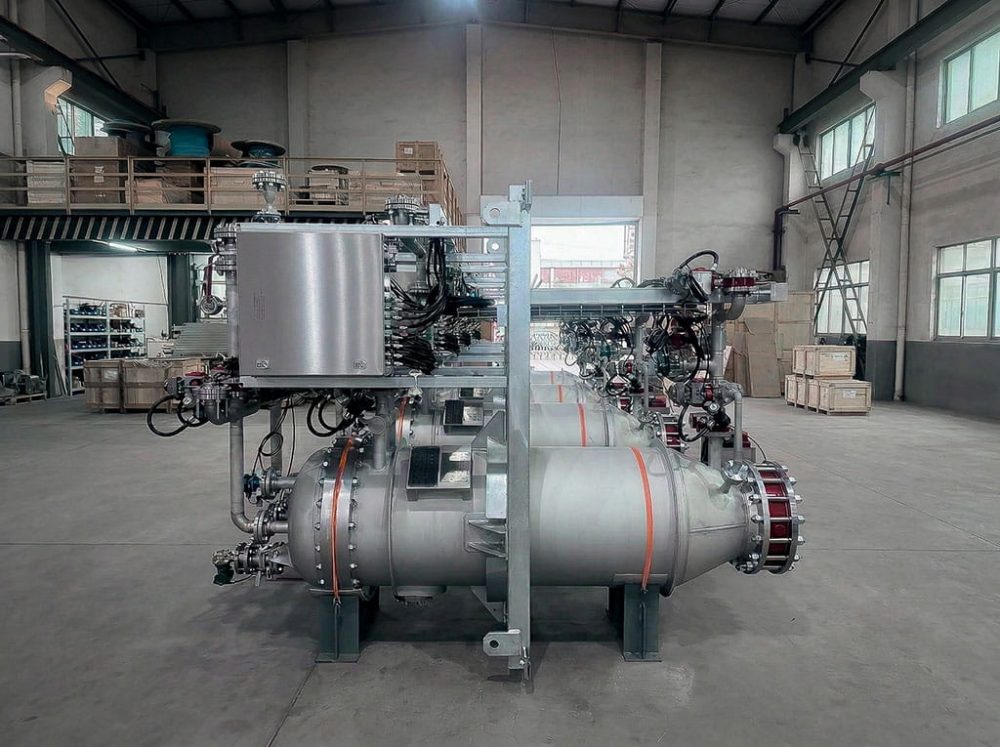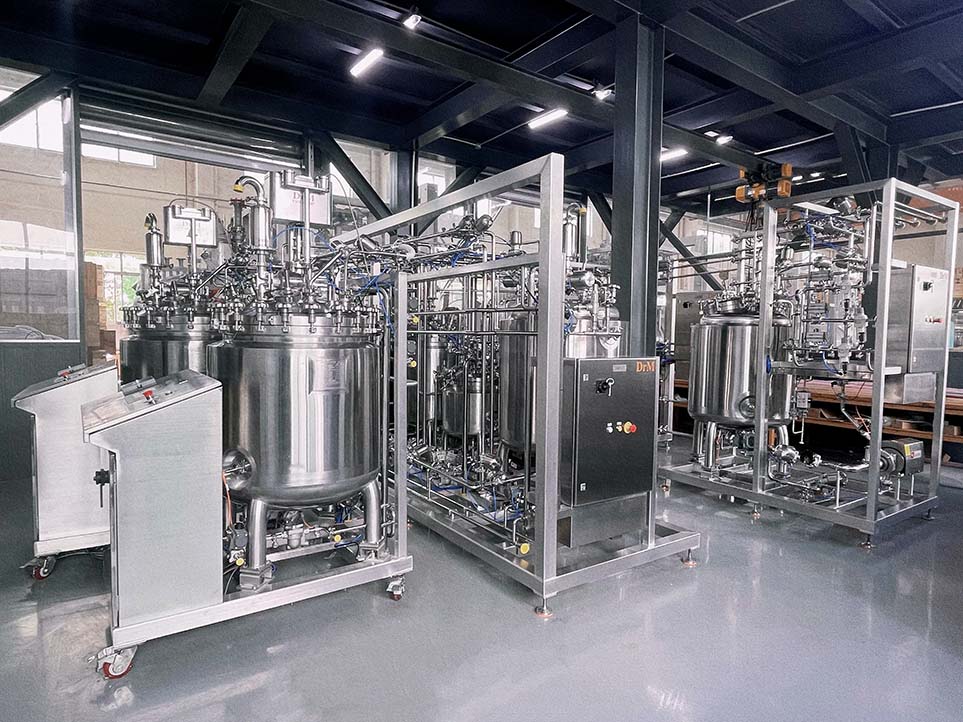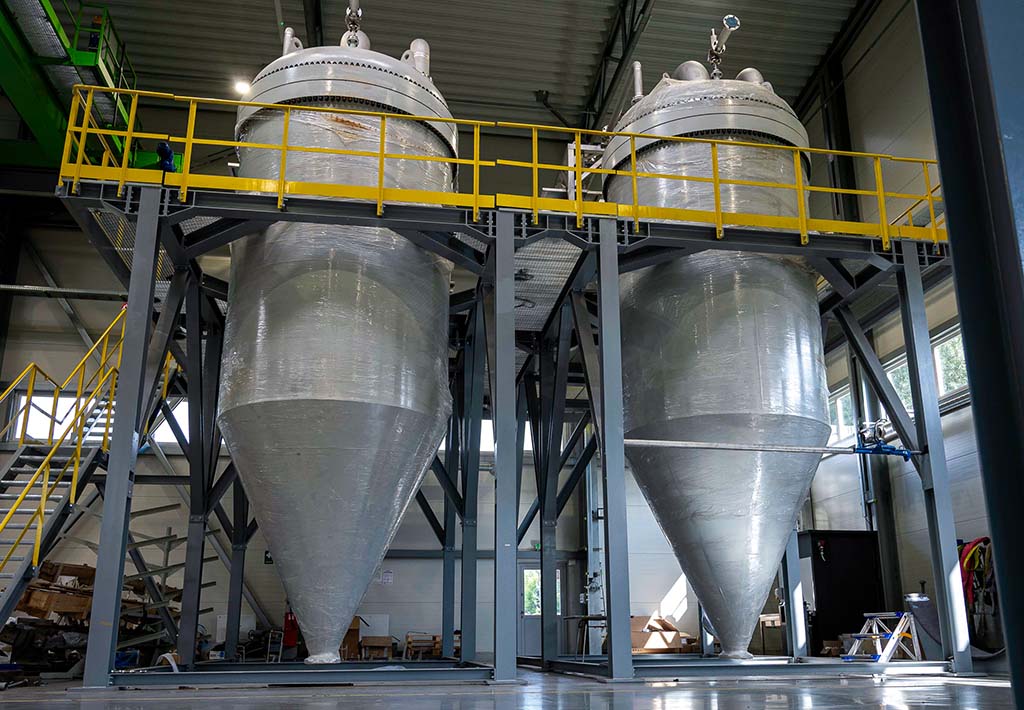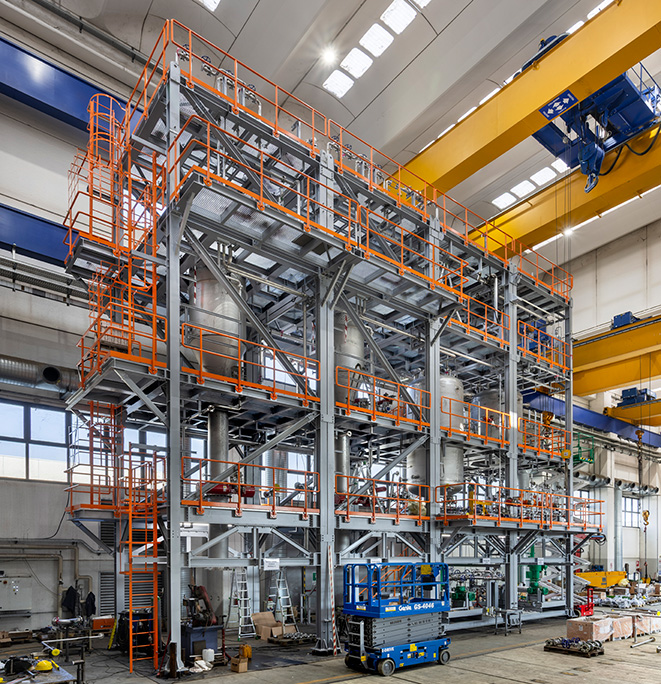
Separating a supported metal catalyst from an organic product after synthesis requires filtration that is both precise and consistent. The solid phase is a metal on ceria support, and the liquid phase is a fragrance ingredient or organic solvent. Any catalyst carry-over into the filtrate affects product purity directly, while incomplete cake dryness reduces the amount of catalyst available for recovery. The filtration spec has to be met reliably across every batch.
Project at a glance
| Customer | Fragrance ingredient producer, China |
| Application | Catalyst separation from organic fragrance ingredients |
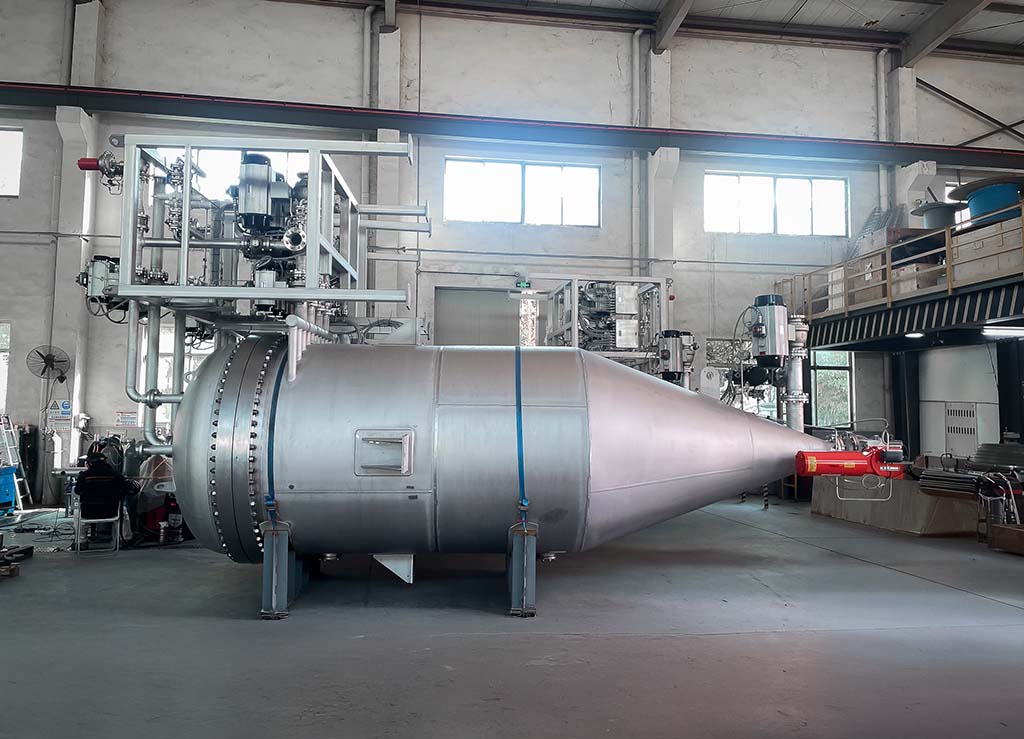
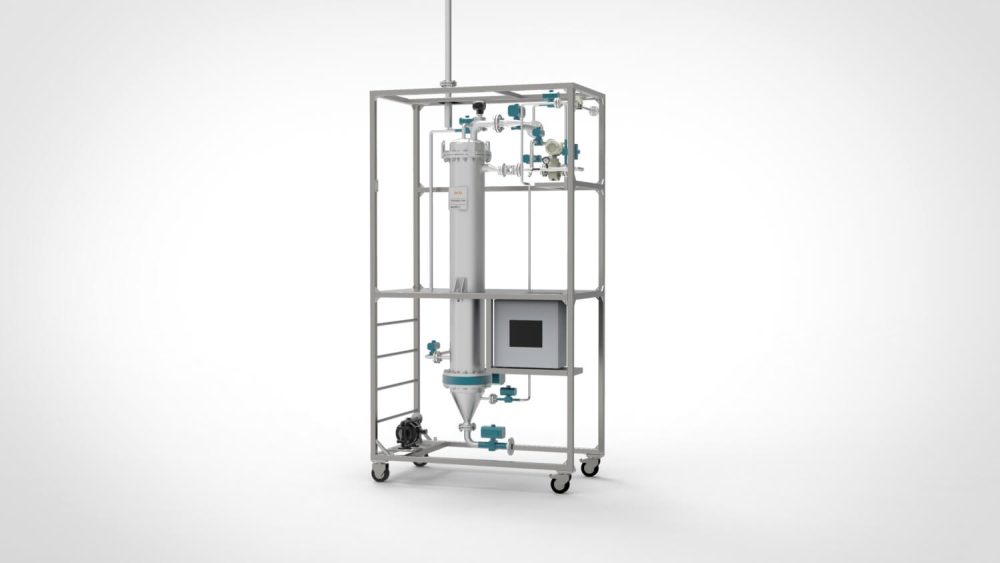
| Scope | One FUNDABAC® candle filter (7.7 m² filtration area) |
| Process challenge | Achieve less than 5 ppm solids in the organic filtrate with dry cake discharge for catalyst recovery, in a fully enclosed system |
What makes catalyst separation in fragrance manufacturing demanding for conventional filtration?
The combination of fine catalyst particles, an organic liquid phase, and strict purity requirements limits the equipment options. The filter must achieve very low solids in the clarified liquid while also discharging a dry cake to maximise catalyst recovery. Conventional open filter technologies cannot provide the closed environment required for organic solvents, and many pressure filters lack the cake discharge performance needed to recover catalyst effectively from each cycle.
How does the FUNDABAC® candle filter address catalyst separation from organic fragrance ingredients?
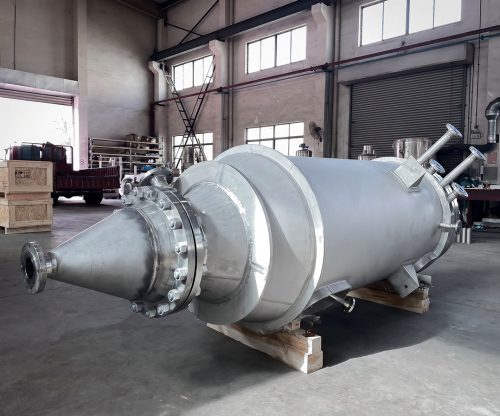
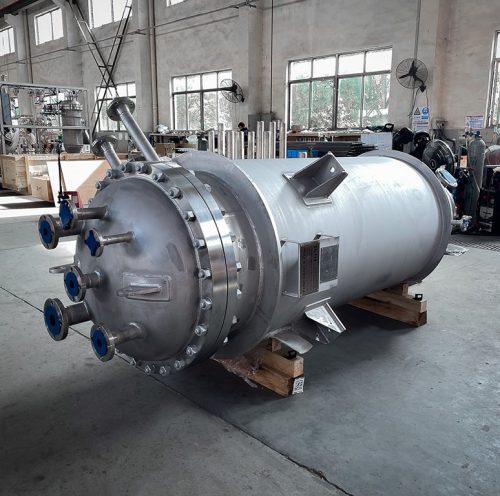
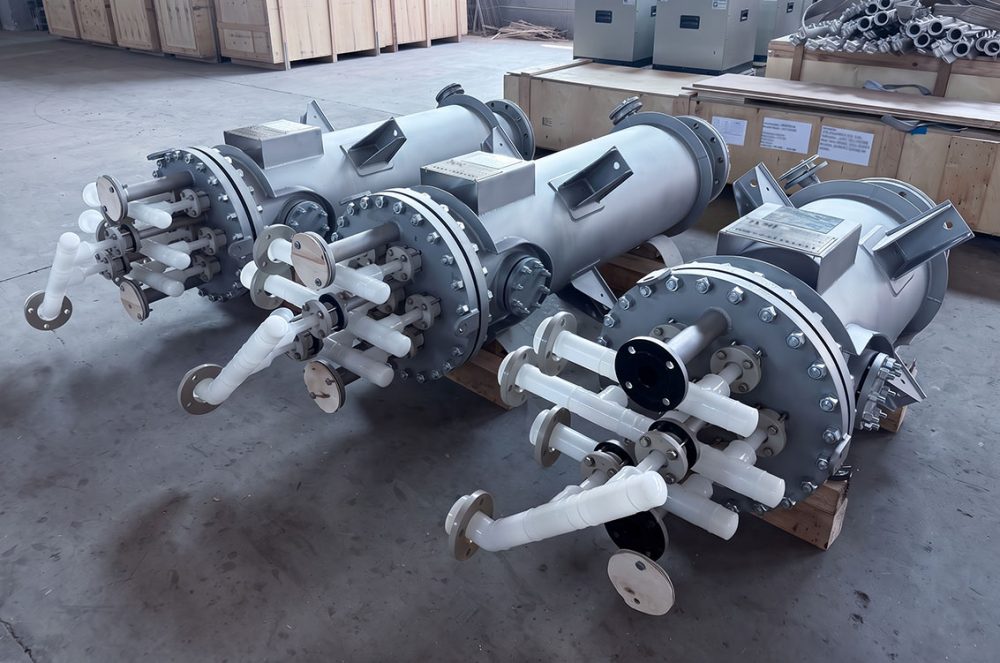
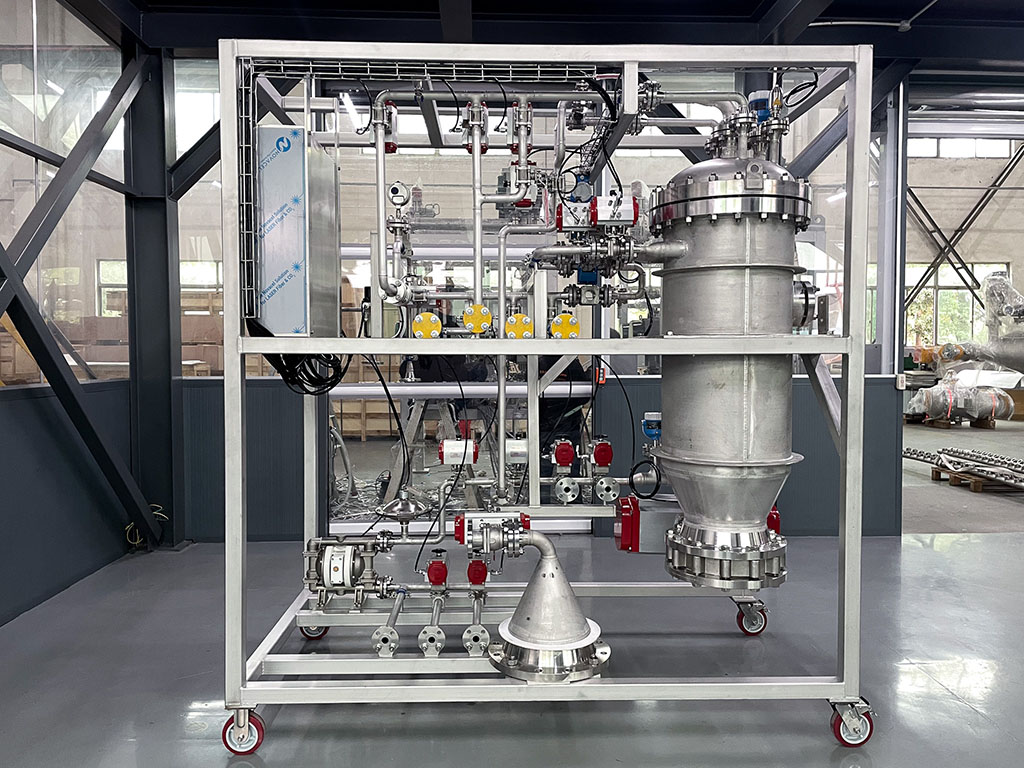
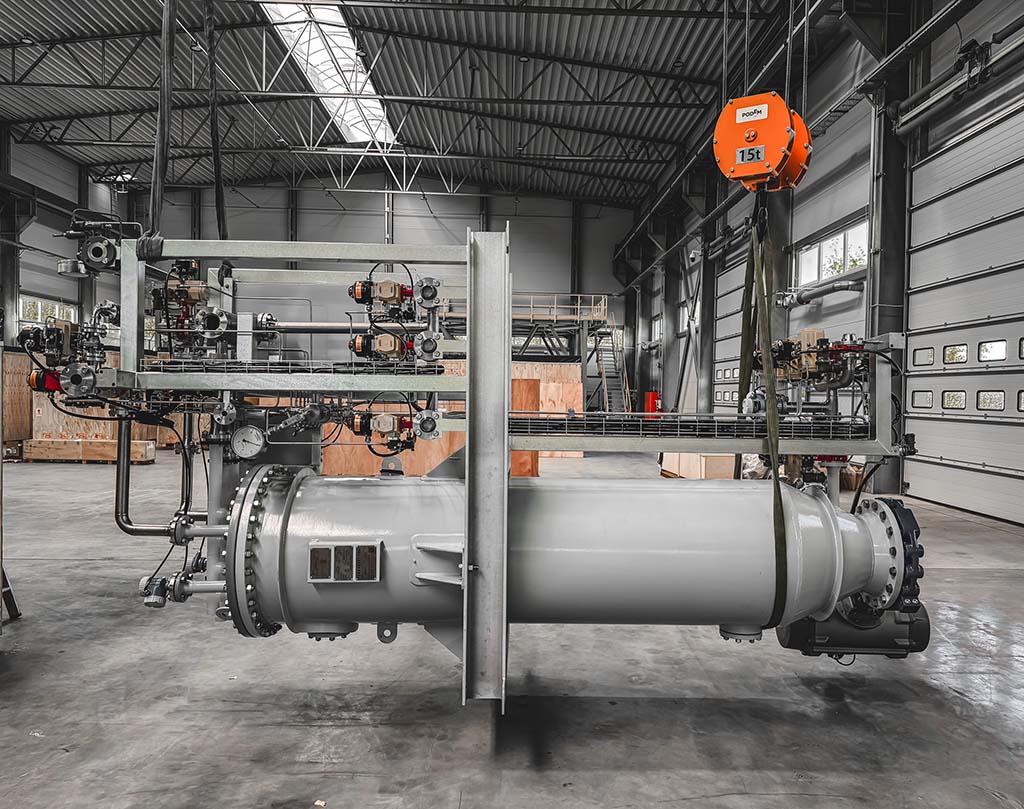
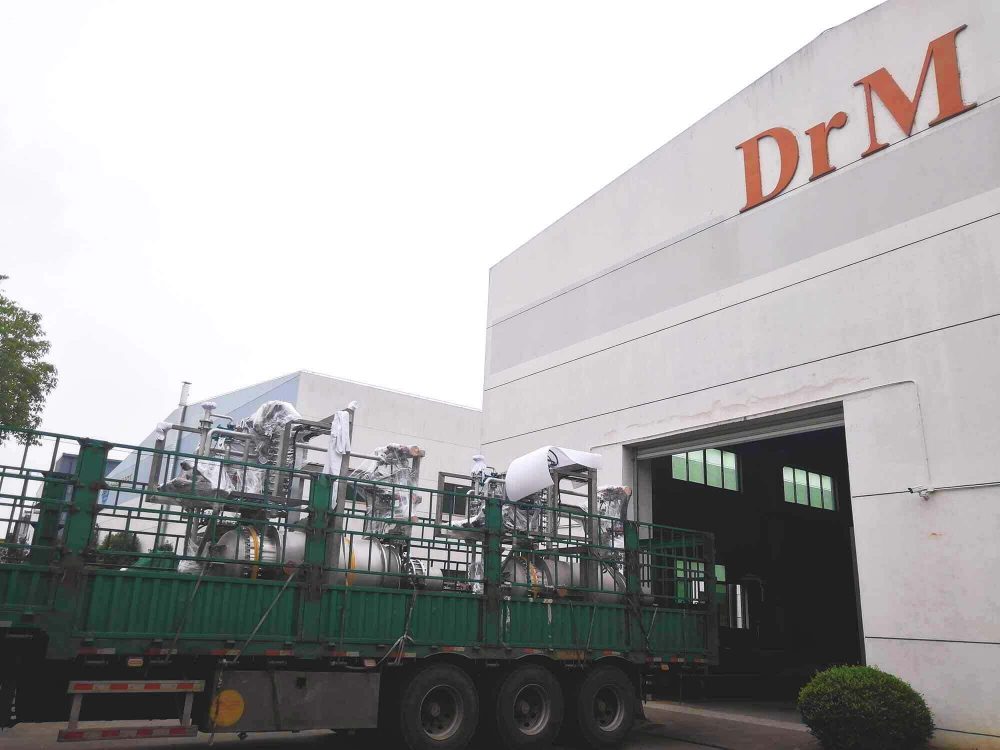
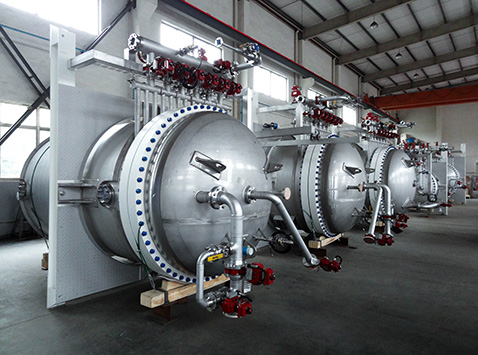
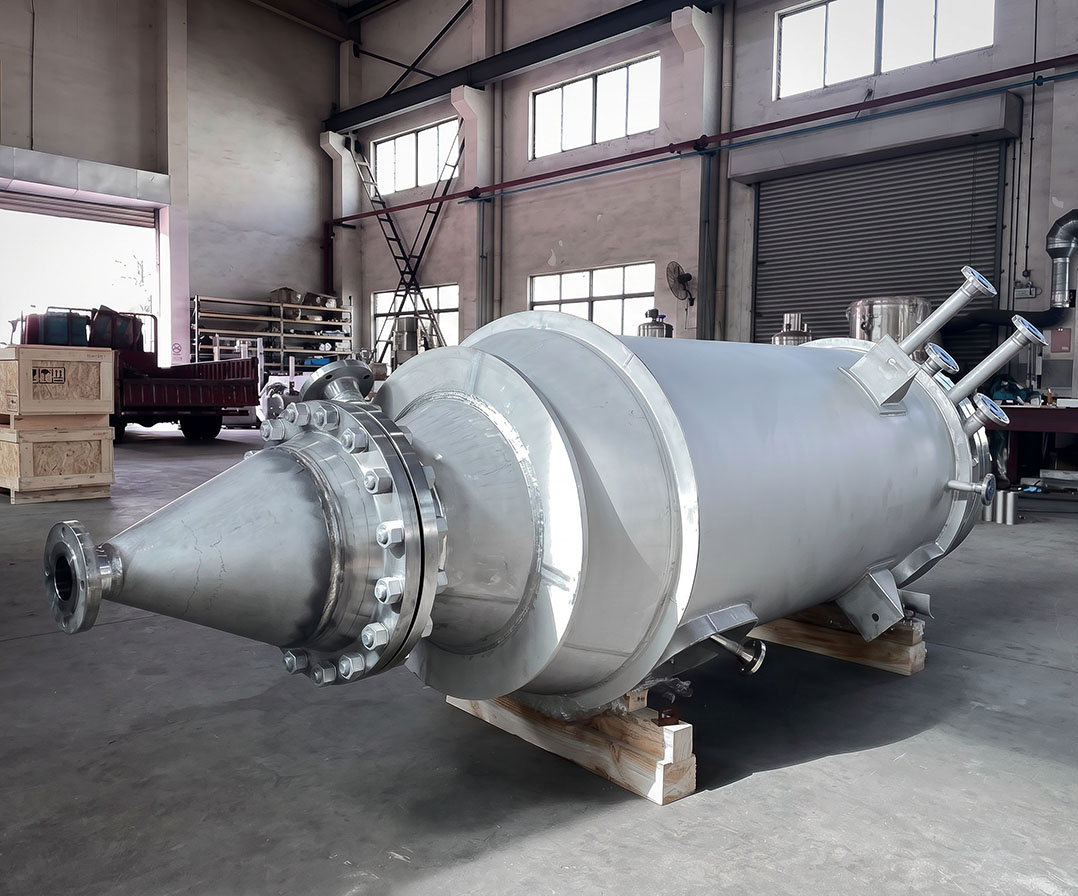
DrM Shanghai delivered one FUNDABAC® candle filter to a fragrance ingredient producer in China for this application. The unit has a filtration area of 7.7 m² and achieves a solids content in the clarified filtrate of less than 5 ppm. The multitube candle design and Swiss-manufactured filter media provide the filtration precision needed to hold catalyst particles out of the organic filtrate at this level.
What process features support catalyst recovery and safe operation?
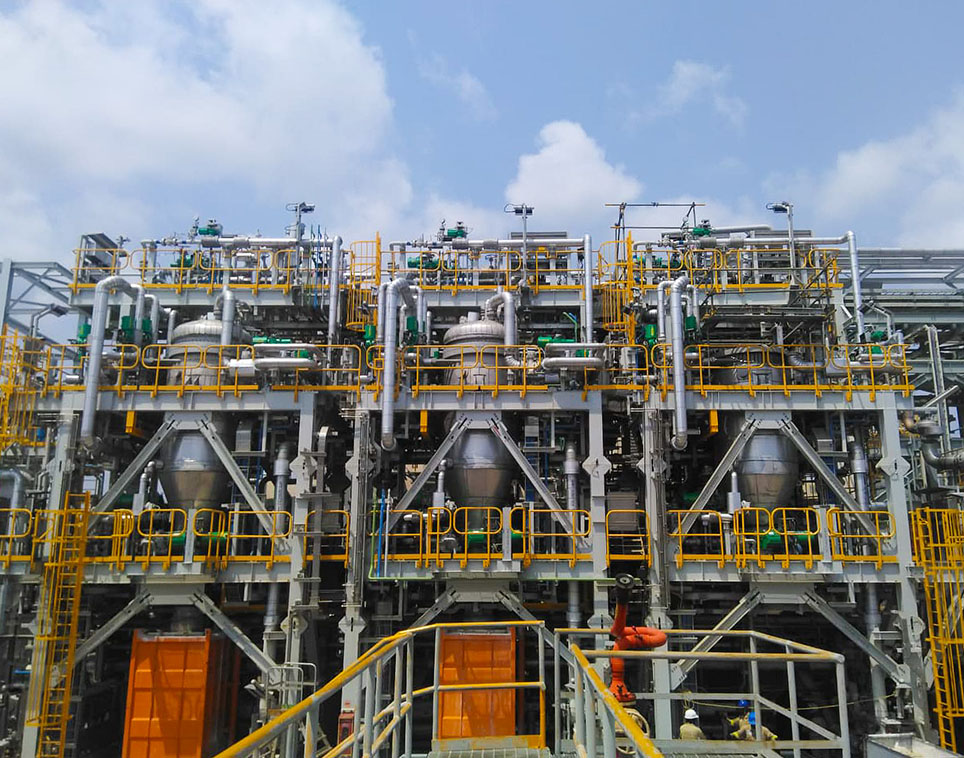
Dry cake discharge removes the catalyst from the filter in a form suitable for further handling or reprocessing. The patented heel volume technology eliminates residual liquid from the filter vessel, reducing product loss and improving batch integrity. Fully automated operation via PLC/DCS covers filtration, washing, drying, gas blow-back, and solids discharge without manual intervention. The fully enclosed design prevents vapour release from the organic liquid phase, supporting EHS requirements in a fragrance processing environment.
This project adds to DrM’s reference base in fine chemicals and specialty synthesis applications where closed pressure filtration is required for both product purity and catalyst management.