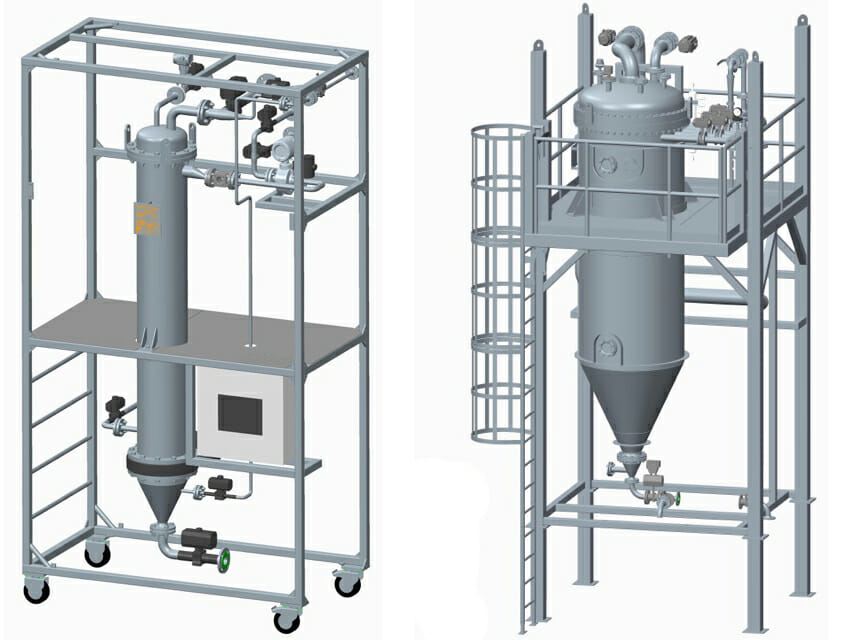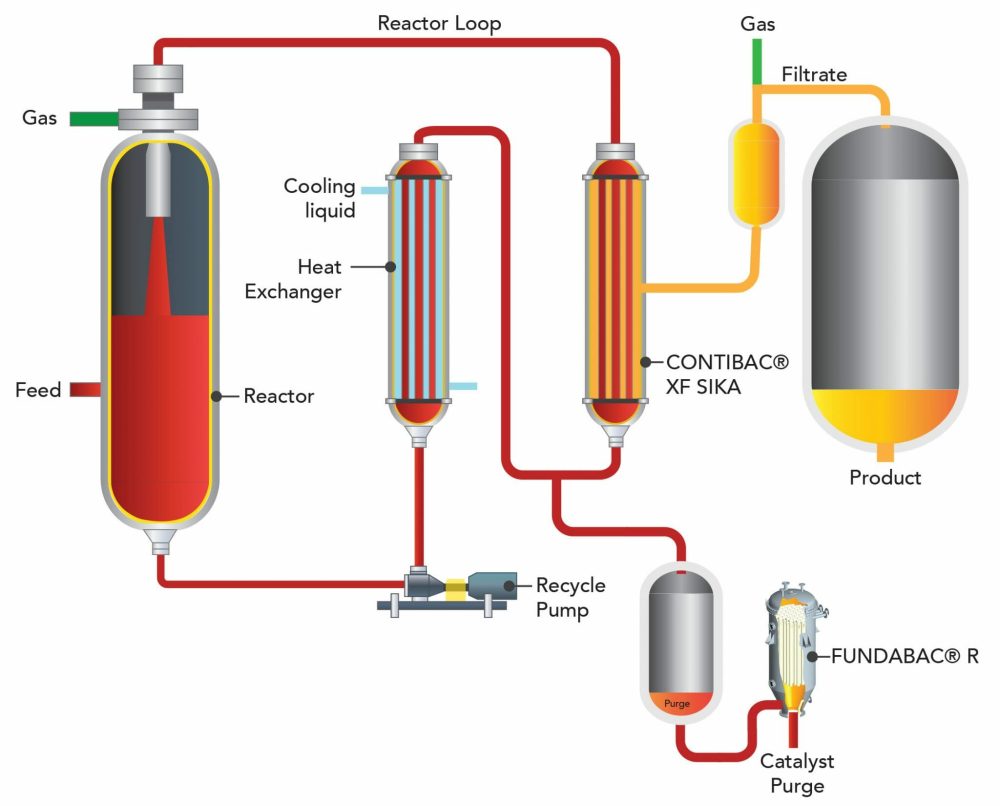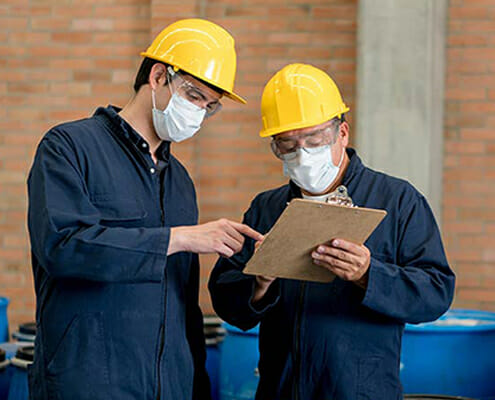
In the aftermath of the explosions at the port of Tianjin China and at a chemical plant in Shandong, we are once again reminded of the reality of the dangers involved in handling combustible and toxic chemicals. When running an automated production facility with a team of experienced operators, risks of incidents can be minimized. This having been said, accidents can still happen. Throughout DrM’s long involvement in the design and installation of filtration systems of hazardous products, it has encountered a number of incidents that merit mentioning. Exposure to and knowledge of these incidents have allowed DrM to develop safe designs.
Material Handling Risk
The risk of industrial accidents involving liquid handling is generally very low as liquids can easily be conveyed in pipes and processed in closed equipment. Explosion-proof components such as pumps, agitators, valves and instruments are generally considered to be reliable and safe.
On the other hand, solids handling is another matter. Material blocking, accumulation, sticking and dust creation are just a few solids handling issues that can pose safety problems. Furthermore, the behaviour of a solid/liquid mix can significantly change as a result of varying concentrations. This can create unexpected and undesirable results.
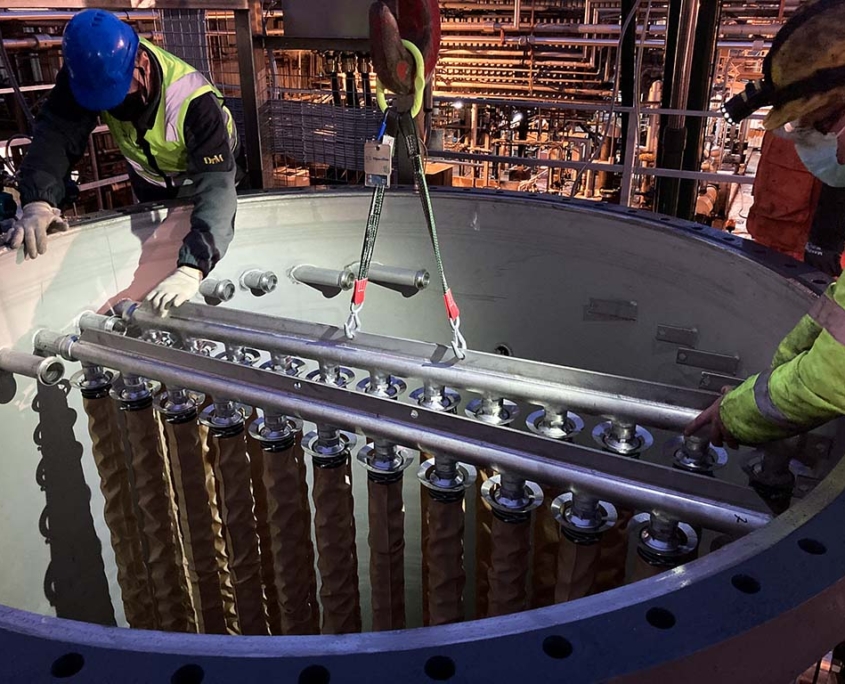
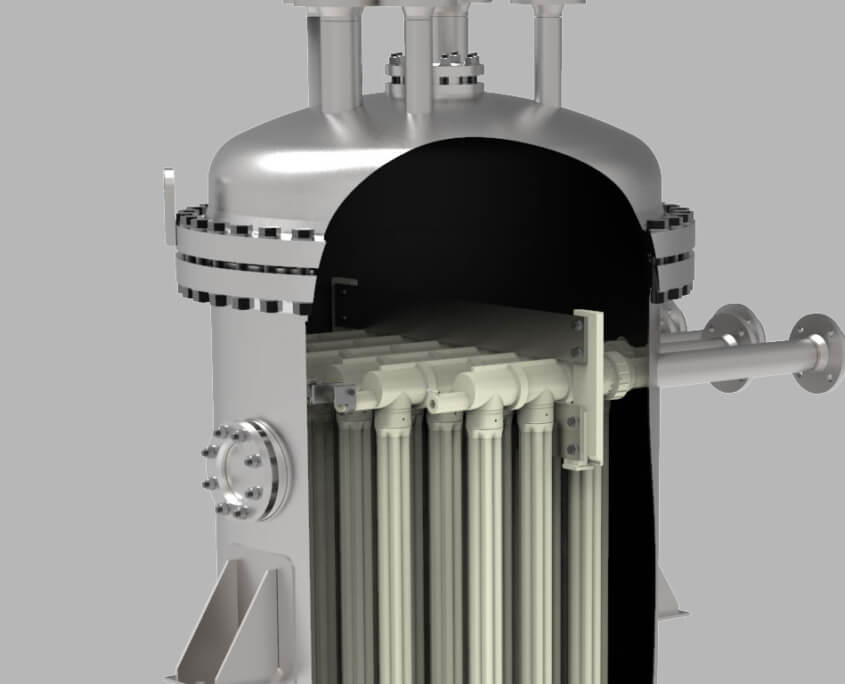
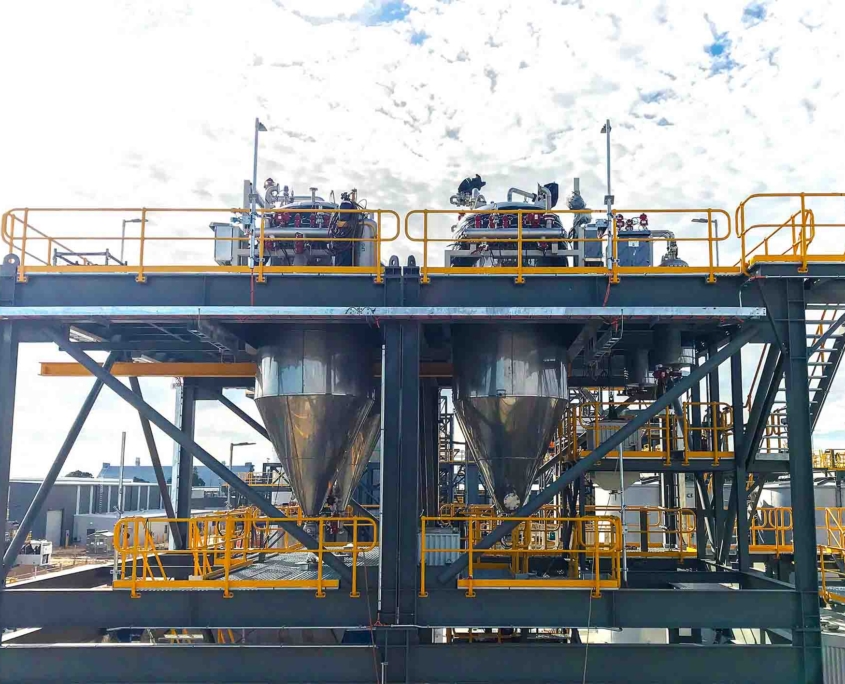
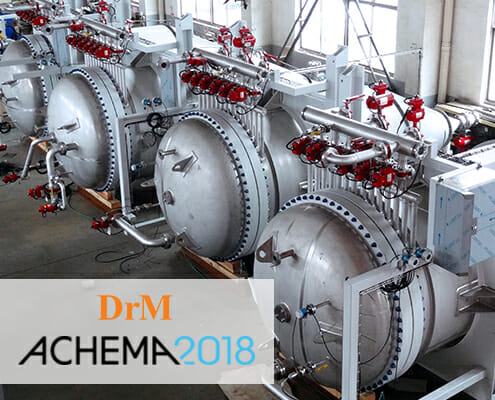
Filter systems for solid/liquid separation are at intersection of liquid and solid handling. Since the FUNDABAC® filter is often used to generate dry solids from a liquid stream, appropriate designs are required to handle those powdered solids. As long as the solids are contained in the enclosed filter, safety can be guaranteed. Once the solids are discharged, containment becomes significantly more challenging. Here are some typical issues that DrM has encountered.
Inert gas for cake drying
Unfortunately it still happens that inert gas gets contaminated with air. Depending on temperature, solids and liquid composition as well as dryness of the product the consequences are manifold. In most of the cases we experienced, the pyrophoric cake, such as catalyst starts to glow and slowly burns. Luckily, oxygen levels are often low which may only cause some material damage. However, the consequences can be significantly more devastating and it is recommended to constantly monitor the inert gas quality.
Steam For Cake Drying
Some DrM clients prefer to use steam to dry the cake of solids. To prevent moist discharge, superheated steam can be used (please contact DrM for further information).
The use of superheated steam results in a hot cake of solids that could create issues during discharge that are not normally encountered with cake drying using inert gas. For example, while a cake may be handled safely at ambient conditions, it may become significantly more pyrophoric at elevated temperatures. To prevent any incidents, it is recommended to cool the cake by inert gas purging prior to discharge. As an alternative, saturated steam or water spray can be applied to keep the cake humid.
Solids Containment and Handling
Operators may decide that complete containment of the cake is required. This is easier said than done. If the solids are processed indoors, closed equipment can be installed on the discharge side of the filter.
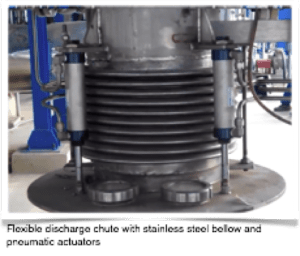
Containers may be closed with a manual valve and transported to the next operation unit. Alternatively, the cake can be transformed into pulp for easier handling.
When solids need to be shipped to another facility or disposed of, one way containers or barrels are preferred. These need to be positioned onto the discharge chute of the filter. If the discharge operation needs to be contained, an endless bag may be an option.
When solids are hot, polyethylene bags may not be an option. An alternative would be to let the cake cool off in the filter by way of inert gas purging and discharged when the temperature falls below 60ºC. A flexible bellow, designed for manual or pneumatic operation, can be pressed onto a steel barrel.
Frequently Asked Questions
Why is handling solids riskier than handling liquids in chemical processes?
The risk of industrial accidents involving liquid handling is generally very low, as liquids are easily conveyed in pipes and processed in closed equipment with reliable explosion-proof components. Solids handling is another matter: blocking, accumulation, sticking and dust creation can all pose safety problems, and the behaviour of a solid/liquid mix can change significantly with concentration, creating unexpected and undesirable results.
How does the enclosed FUNDABAC® filter help with safe handling of hazardous products?
Filter systems sit at the intersection of liquid and solid handling, and the FUNDABAC® is often used to generate dry solids from a liquid stream. As long as the solids remain contained within the enclosed filter, safety can be guaranteed; the main challenge arises once the solids are discharged, which is why appropriate designs are needed to handle the powdered solids safely.
What are the risks of using inert gas for cake drying?
Inert gas can sometimes become contaminated with air. Depending on temperature, solids and liquid composition, and product dryness, this can cause a pyrophoric cake such as a catalyst to start glowing and slowly burn. Oxygen levels are often low, so consequences may be limited to material damage, but they can be significantly more devastating, so it is recommended to constantly monitor the inert gas quality.
What precautions are needed when drying the cake with steam?
Some clients use superheated steam to dry the cake and prevent moist discharge, but this produces a hot cake that can become significantly more pyrophoric at elevated temperatures than at ambient conditions. To prevent incidents, it is recommended to cool the cake by inert gas purging before discharge, or alternatively to apply saturated steam or a water spray to keep the cake humid.
How can discharged solids be safely contained?
When complete containment of the cake is required, closed equipment can be installed on the discharge side of the filter for solids processed indoors. Containers can be closed with a manual valve and transported to the next operation unit, among other containment approaches, to limit operator exposure to hazardous solids.