Despite intensive research with alternative materials, there is nothing on the horizon which could replace Lithium
Both Lithium Hydroxide (LiOH) and Lithium Carbonate (LiCO3) prices have been pointing downwards for the past few months and the recent market shakeup certainly does not improve the situation.
However, despite intensive research with alternative materials, there is nothing on the horizon which could replace Lithium as a building block for modern battery technology within the next few years. As we know from the producers of the various Lithium battery formulations, the devil lies in the detail and this is where experience is gained to gradually improve energy density, quality, safety of the cells.
As mobility moves forward to new grounds with many EVs being introduced nearly at weekly intervals, the industry is looking for reliable sources and technology. For those automotive manufacturers it is irrelevant what is happening in the research labs. They need the products here and now.
So, whatever the future will bring in respect to Lithium, Sodium, Hydrogen or any other promising energy concepts, the best outlook is to concentrate on steady improvements with existing products. This includes compounds such as lithium nickel-cobalt-manganese (NCM) and lithium nickel-cobalt-aluminum (NCA) cathodes which show superior energy densities to lithium iron phosphate (LFP) at a cost of greater instability. NCM cathodes are most commonly used while R&D is intensely looking for ways to reduce dependency on cobalt. One way is to increase the concentration of nickel without sacrificing on the internal crystal structure of the electrode. It seems that at higher nickel concentrations only LiOH will give stable performance while LiCO3 reduces the lifespan of the battery.
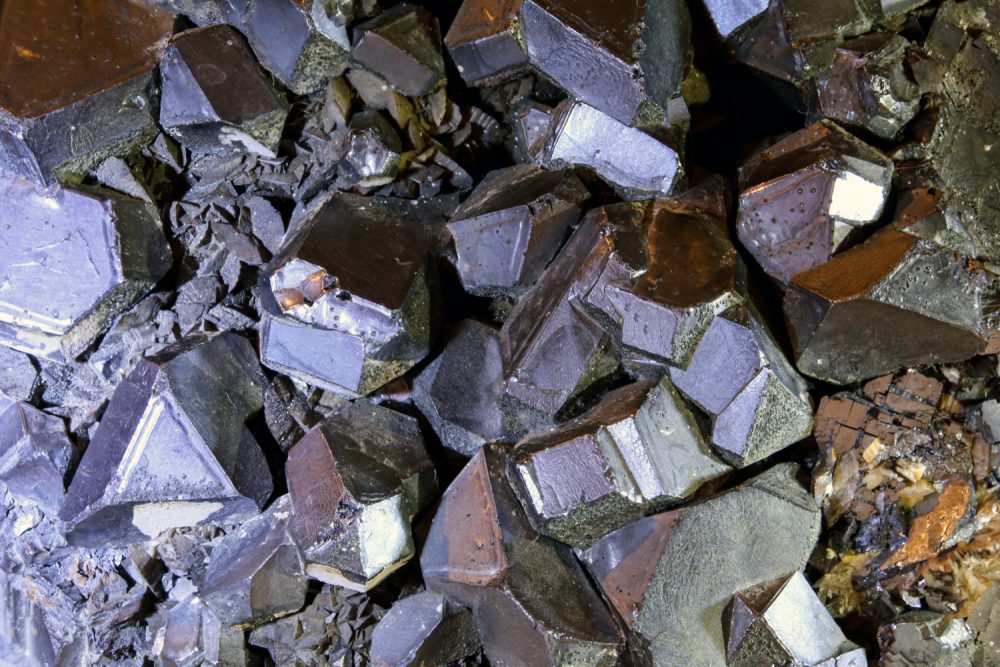
This reflects the trend to invest more into LiOH production as compared to LiCO3. And here comes the lithium source into play: Spodumene rock is significantly more flexible in terms of production process. It allows for a streamlined production of LiOH while the use of lithium brine normally leads through LiCO3 as an intermediary to produce LiOH. Hence, the production cost of LiOH is significantly lower with spodumene as source instead of brine. It is clear that with the shear quantity of lithium brine available in the world, eventually new process technologies must be developed to efficiently apply this source. With various companies investigating new process we will eventually see this coming. But for now spodumene is a safer bet.
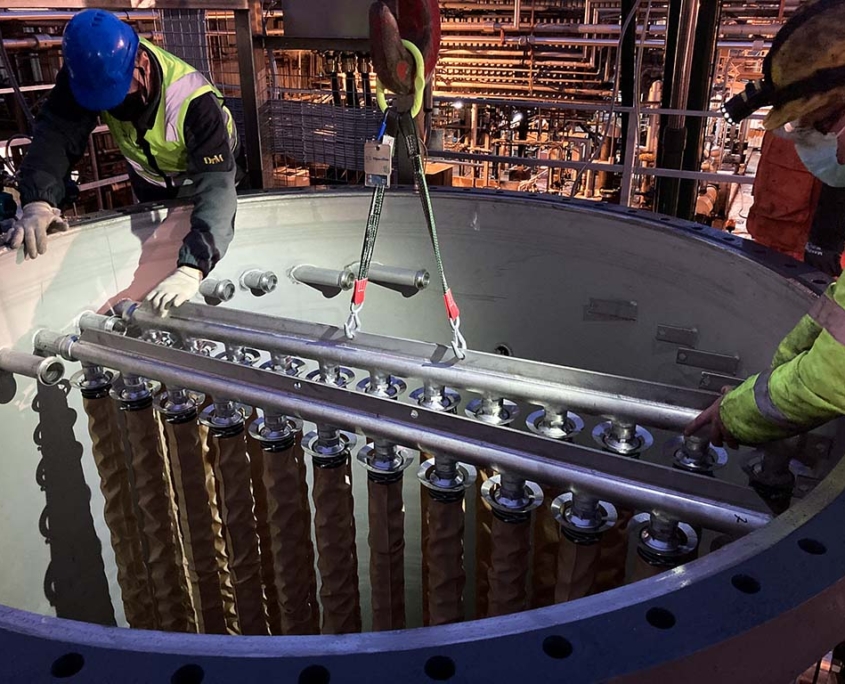
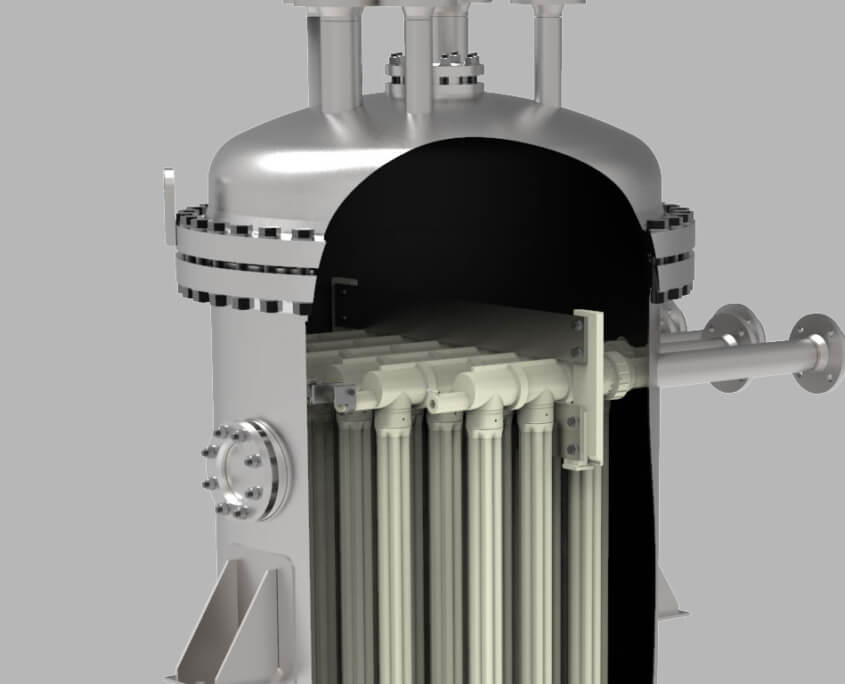
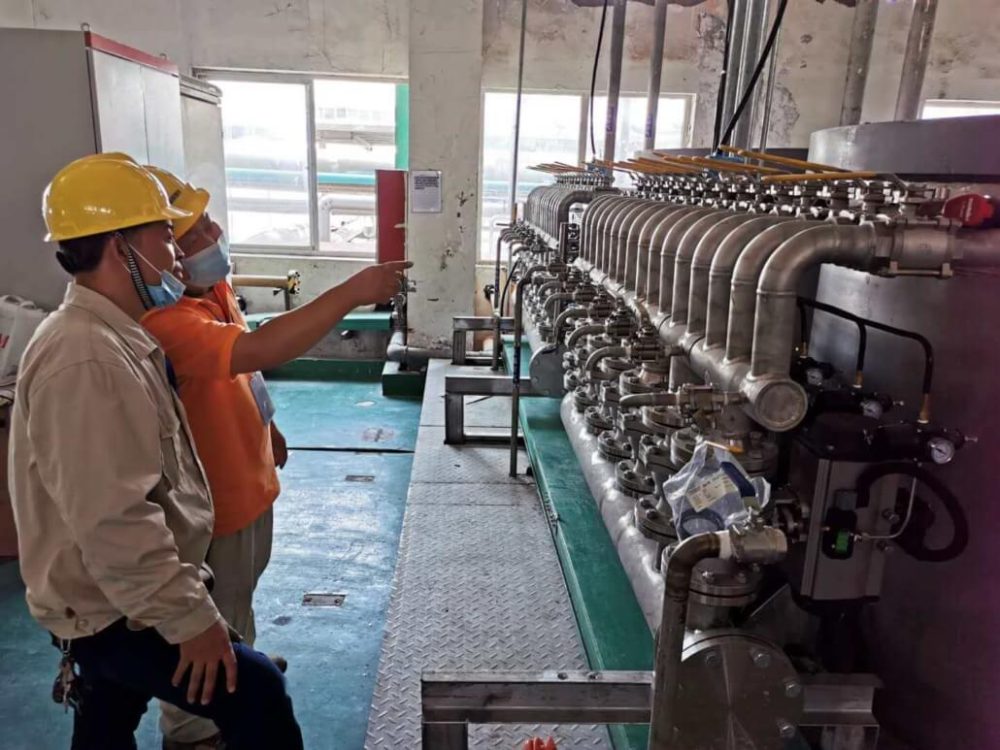
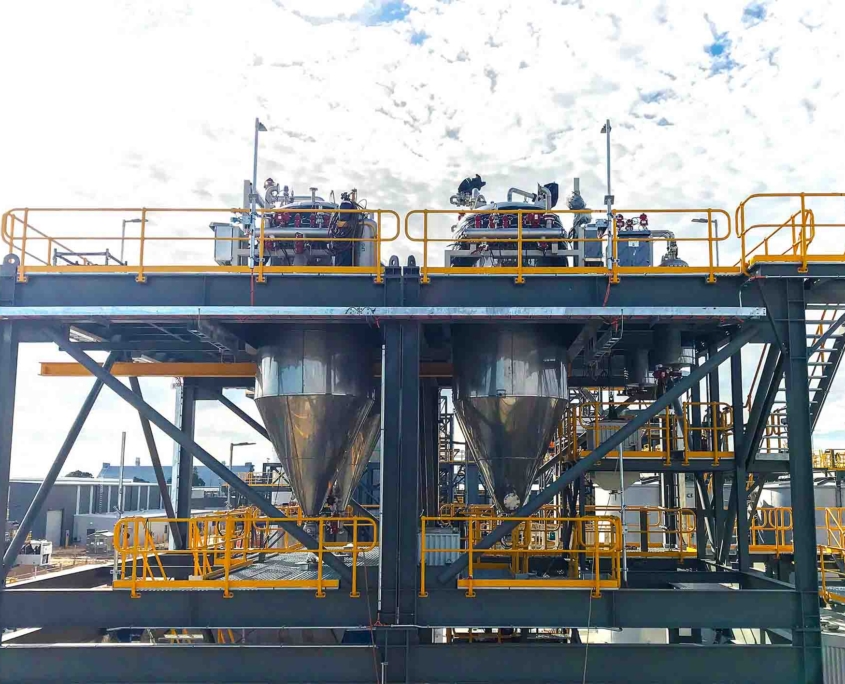
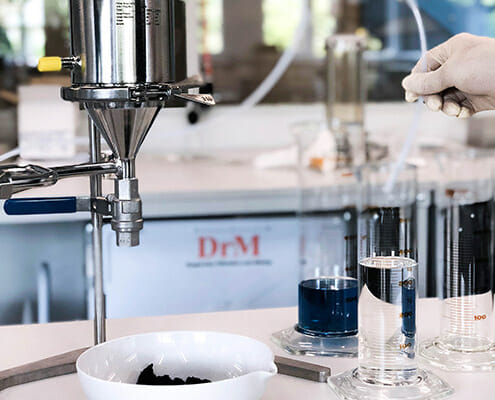
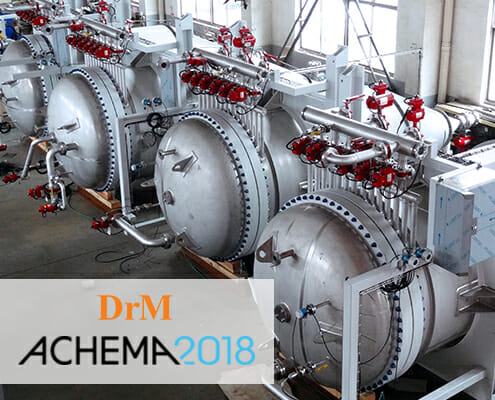
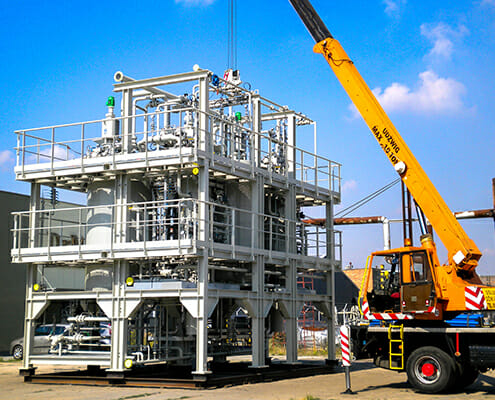
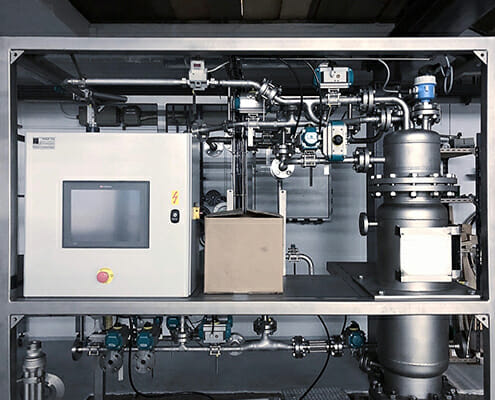
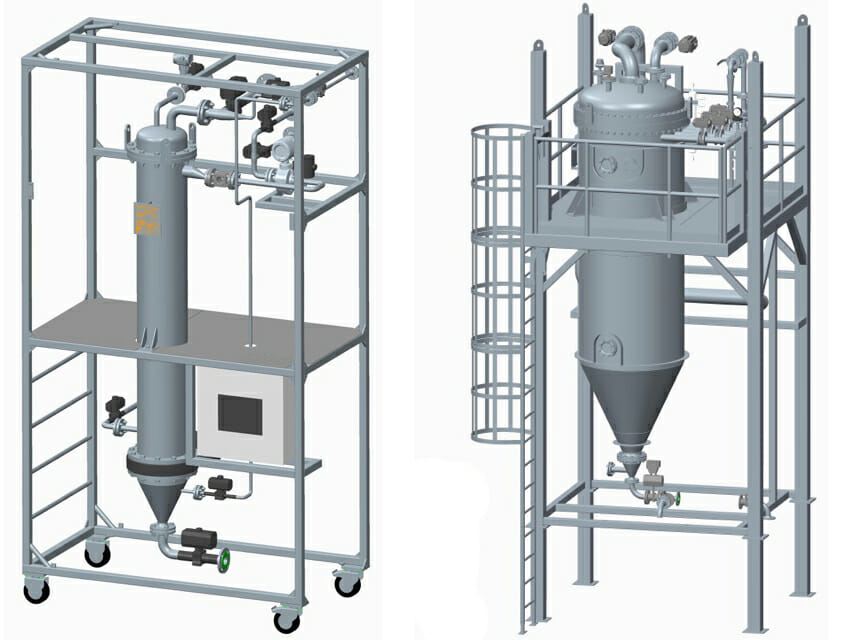
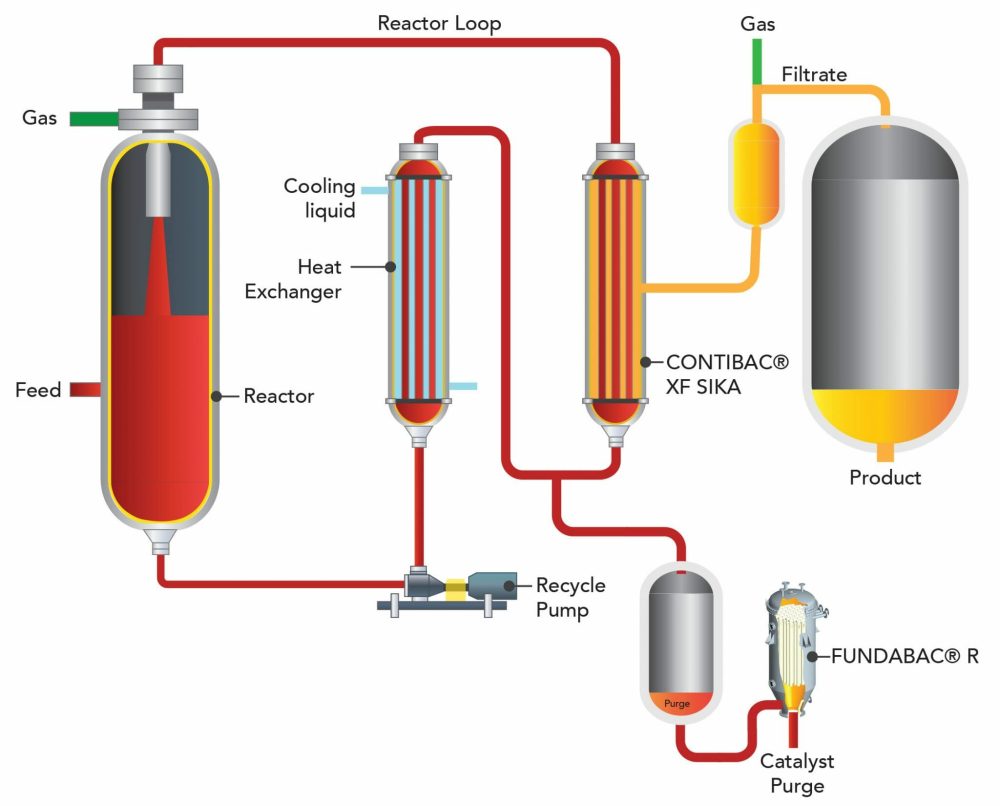
With its impressive experience gained in this industry, DrM is actively involved with a number of technology companies developing purification stages with the target to improve efficiency and streamline the process. Both for spodumene and brine as source material, we are being contacted as a technology partner to provide equipment and know-how as early in the development stage as possible. With pilot equipment readily available in strategic places such as Australia, Chile, Argentina, China, Korea and Japan we can ensure quick turnarounds and provide flexibility in the often complex decision-taking process.
Frequently Asked Questions
Is there an alternative to lithium for battery technology?
Despite intensive research into alternative materials, there is nothing on the horizon that could replace lithium as a building block for modern battery technology within the next few years. Progress comes from steady, detailed improvements to existing lithium battery formulations, gradually improving energy density, quality and cell safety, rather than from a wholesale replacement of lithium.
What is the difference between LiOH and LiCO3 in battery cathodes?
Lithium nickel-cobalt-manganese (NCM) and lithium nickel-cobalt-aluminium (NCA) cathodes offer higher energy densities than lithium iron phosphate (LFP), at the cost of greater instability, with NCM the most commonly used. R&D is working to reduce dependency on cobalt by increasing nickel content, and at higher nickel concentrations only lithium hydroxide (LiOH) gives stable performance while lithium carbonate (LiCO3) reduces battery lifespan. This is driving greater investment in LiOH production.
Why is spodumene often preferred over brine as a lithium source?
Spodumene rock is significantly more flexible in terms of production process and allows a streamlined production of LiOH, whereas lithium brine normally reaches LiOH via LiCO3 as an intermediary. As a result, the production cost of LiOH is significantly lower from spodumene than from brine. Given the huge quantity of lithium brine available worldwide, new process technologies will eventually be developed to use it efficiently, but for now spodumene is the safer bet.
How is DrM involved in lithium production?
DrM is actively involved with a number of technology companies developing purification stages aimed at improving efficiency and streamlining the process, for both spodumene and brine source materials. The company is engaged as a technology partner as early in the development stage as possible, providing equipment and know-how.
Where does DrM have pilot equipment available for lithium projects?
DrM has pilot equipment readily available in strategic locations including Australia, Chile, Argentina, China, Korea and Japan, which allows quick turnarounds and flexibility during the often complex decision-making process for lithium production projects.