Behind the FUNDABAC® legacy
DrM is the work and legacy of an entrepreneurial personality Dr.-Ing. chem. Hans Mueller (1913-1984). He was an ingenious inventor as well as a dynamic industrialist.
Even as a young chemist in Paris in the 1930s where he started his first business producing detergents, he recognized the dangers of air pollution stemming from cars, so he invented and patented the car catalyst. But as it sometimes happens, you can either be too late, or in this case too early…
After his factory was bombed during WW2 he returned to Switzerland. One of his biggest inventions at that time was the thin-film evaporator and the sale of this patent to the company LUWA provided the funds to establish a new company.
Soon new inventions were added, which he developed in his newly established enterprise Chemap AG. These were primarily the successful FUNDA® filter, the first filter with centrifugal discharge. More than 5000 systems were used for simple and complex filter problems in all branches of industry for solid/liquid separation.
At the beginning of the 1980s, Dr. Mueller ended up selling Chemap AG.
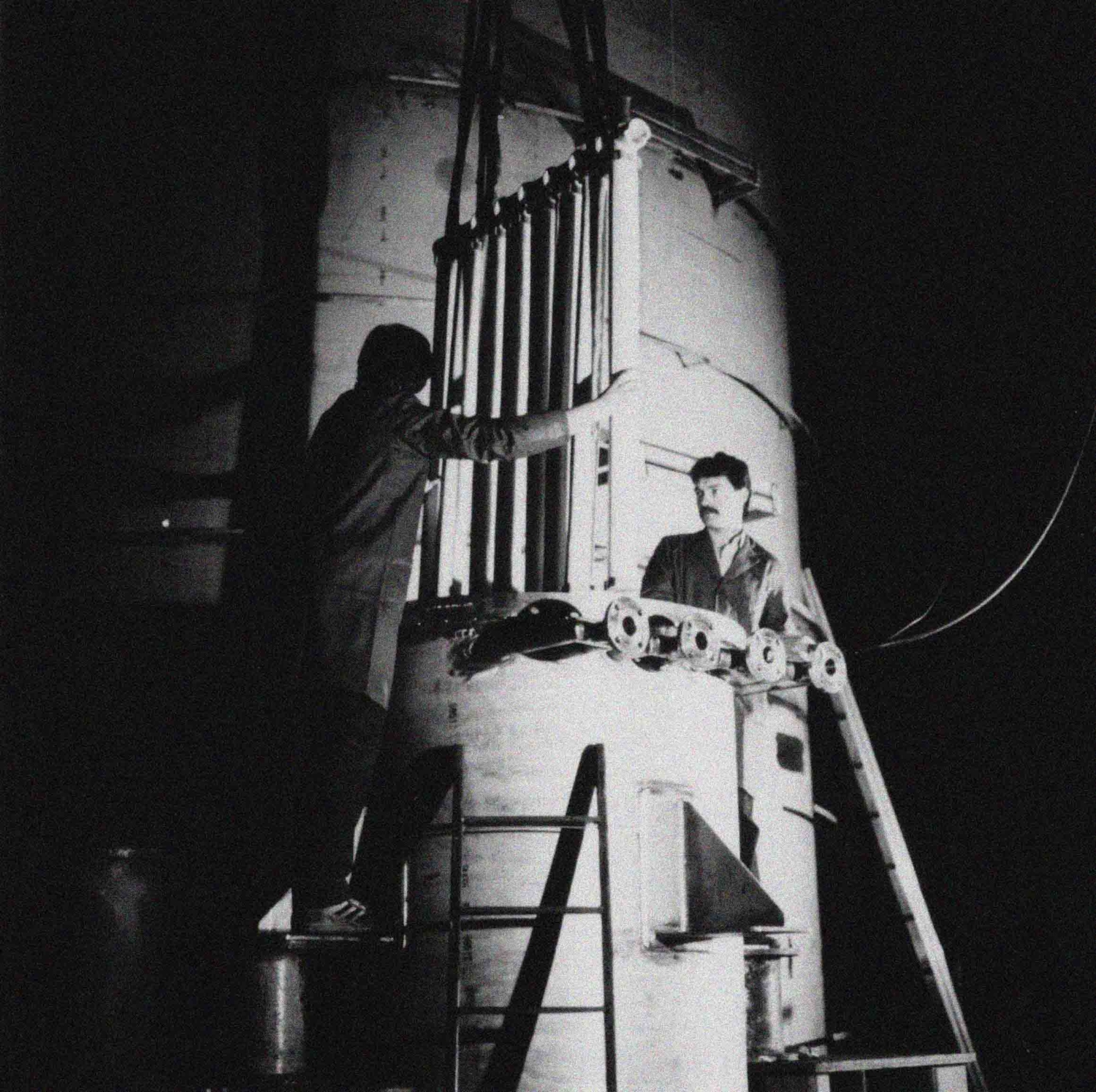
However, in order to be able to continue with his latest generation of filters, which he believed had great market potential, he founded another company and started once again with his most experienced employees. This was the birth of DrM, Dr. Mueller AG and the FUNDABAC® Filter.
The FUNDABAC® system fulfilled the technical and business expectations rapidly and soon his life’s work was being built and delivered all over the world. Dr. Hans Mueller still had two intensive years to give the necessary impetus to his pioneering achievement.
Simple construction with new technical possibilities
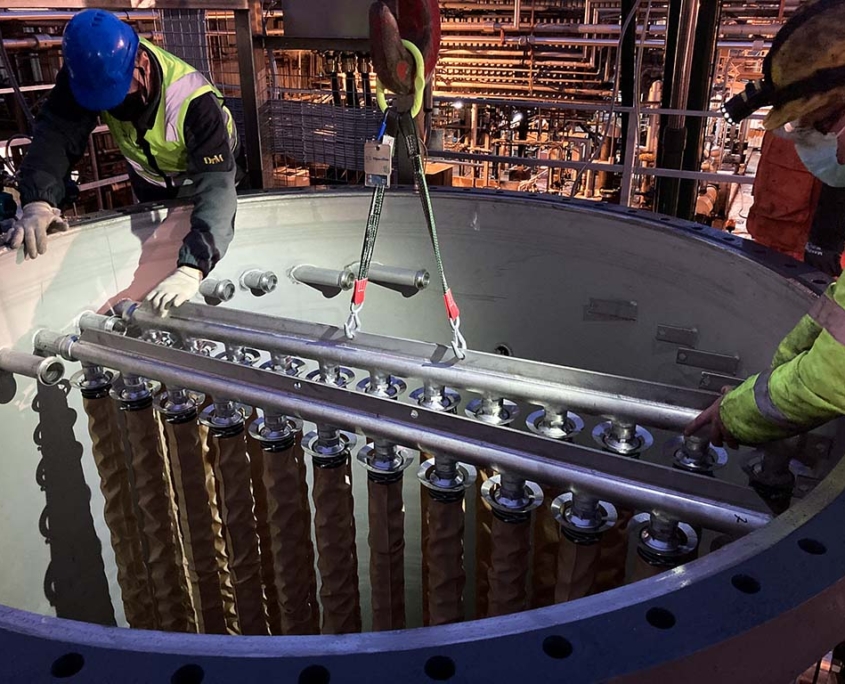
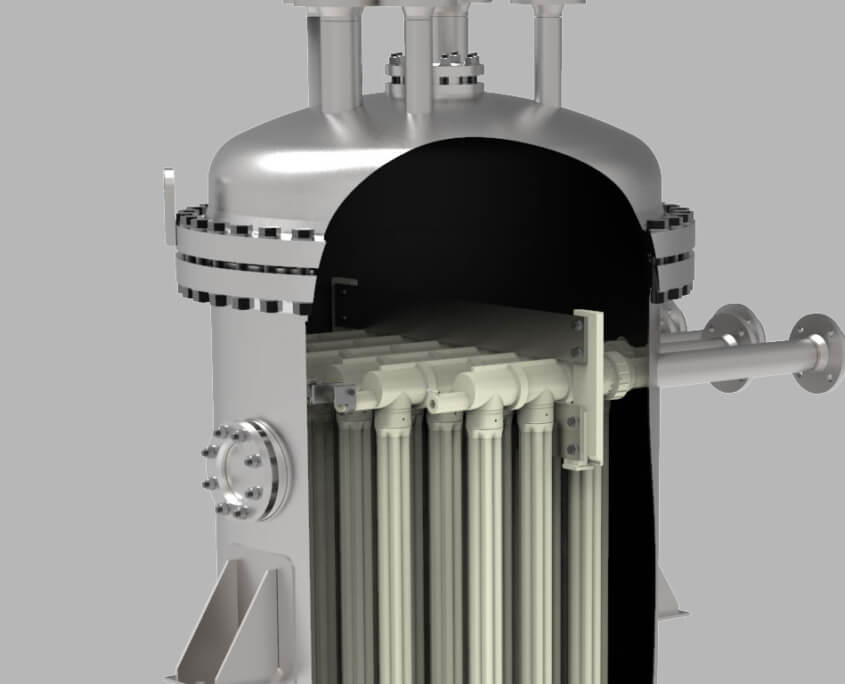
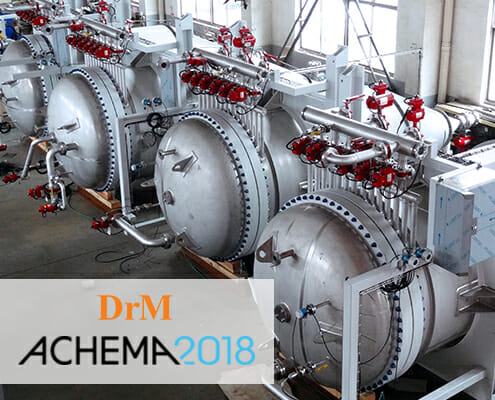
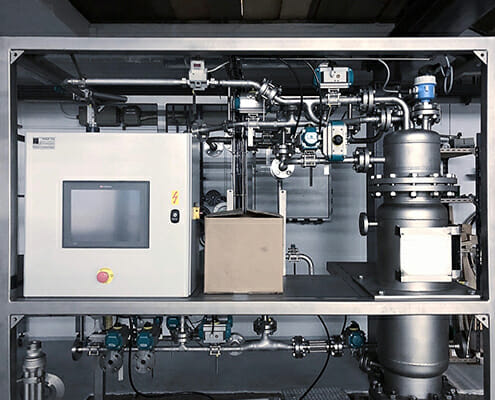
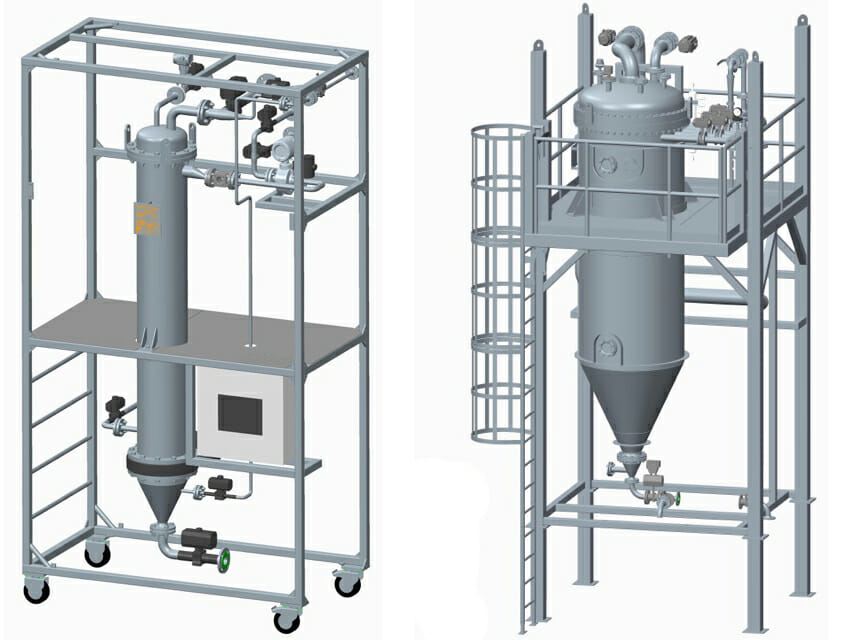
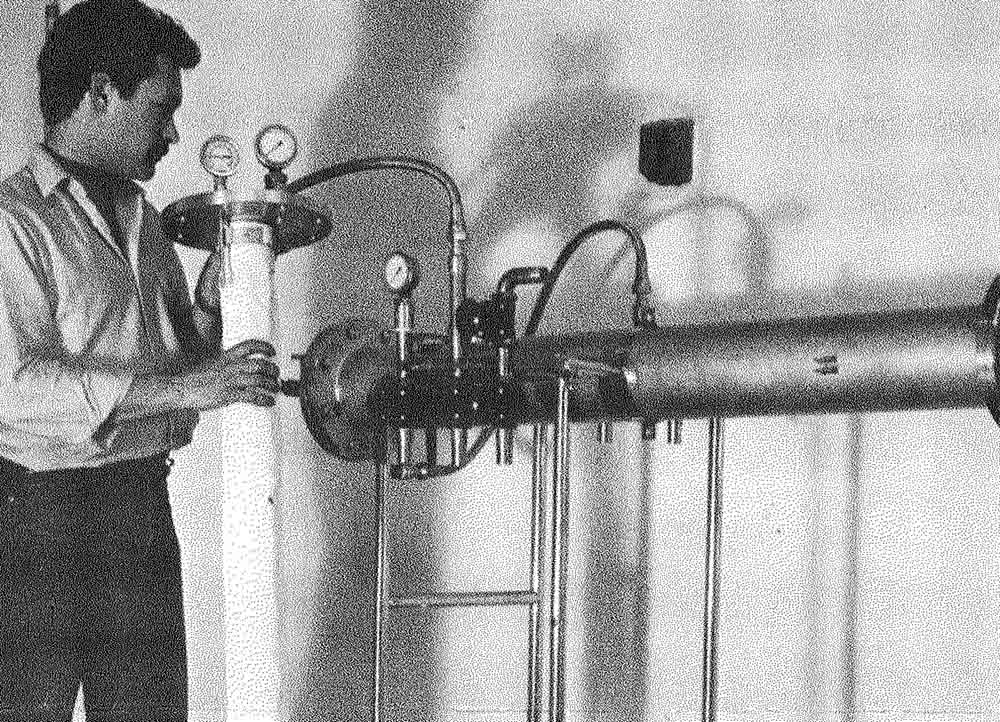
The FUNDABAC® filter revolutionized an old principle and captivated clients by its refined simplicity and flexibility. Whether there were many or few solids in the liquid to be filtered, FUNDABAC® was able to solve the problem. The simple construction made it possible to manufacture the filter vessel out of steel, stainless steel, plastic-coated, rubber-coated or enameled. The internal components were supplied either in steel, stainless steel, PP, PVDF or PPS. The simple construction solved corrosion problems cost-effectively.
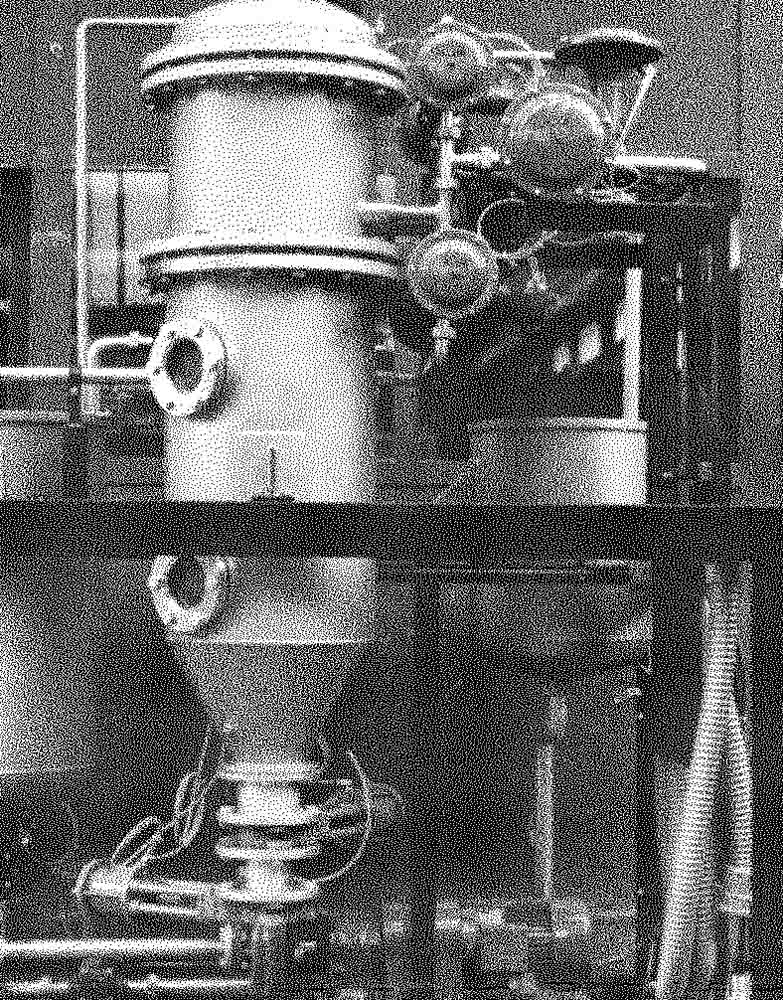
The FUNDABAC® enabled an easy discharge of residues in three variants:
- dry
- slurry
- continuous thickening
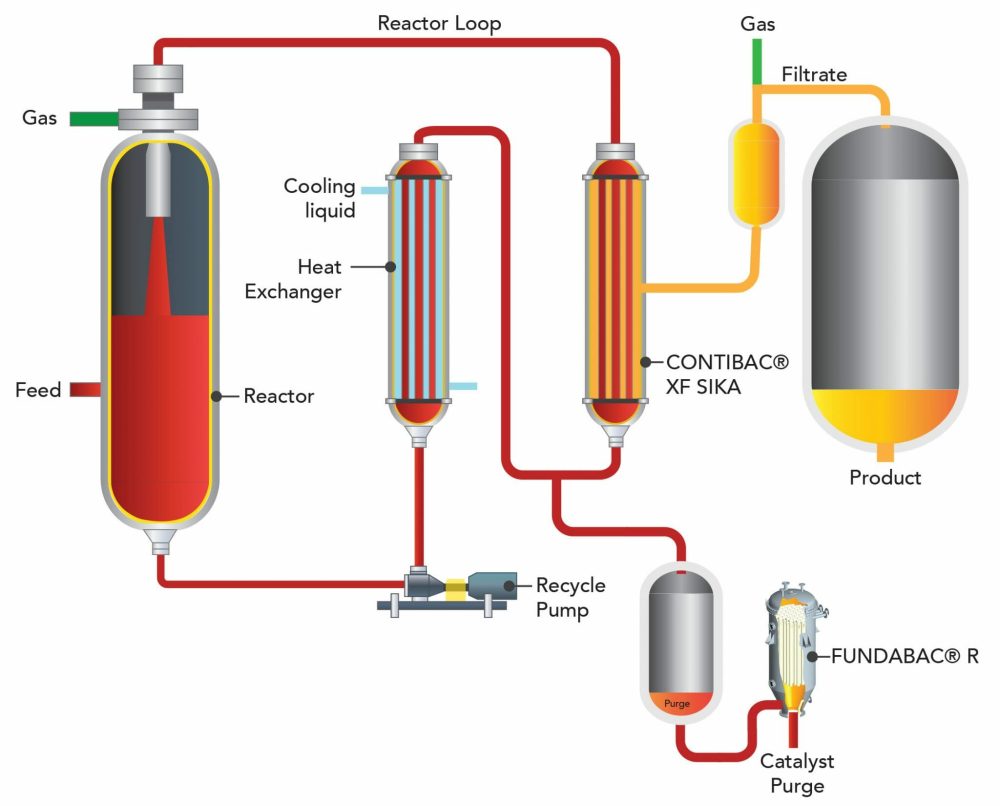
The latter was carried out using the CONTIBAC® process, which continuously discharged the residues at short intervals. The FUNDABAC® cleaning of the filter media was carried out without any problems by backflushing with liquid and/or by gas blowing under high pressure.
Present and Future Innovations
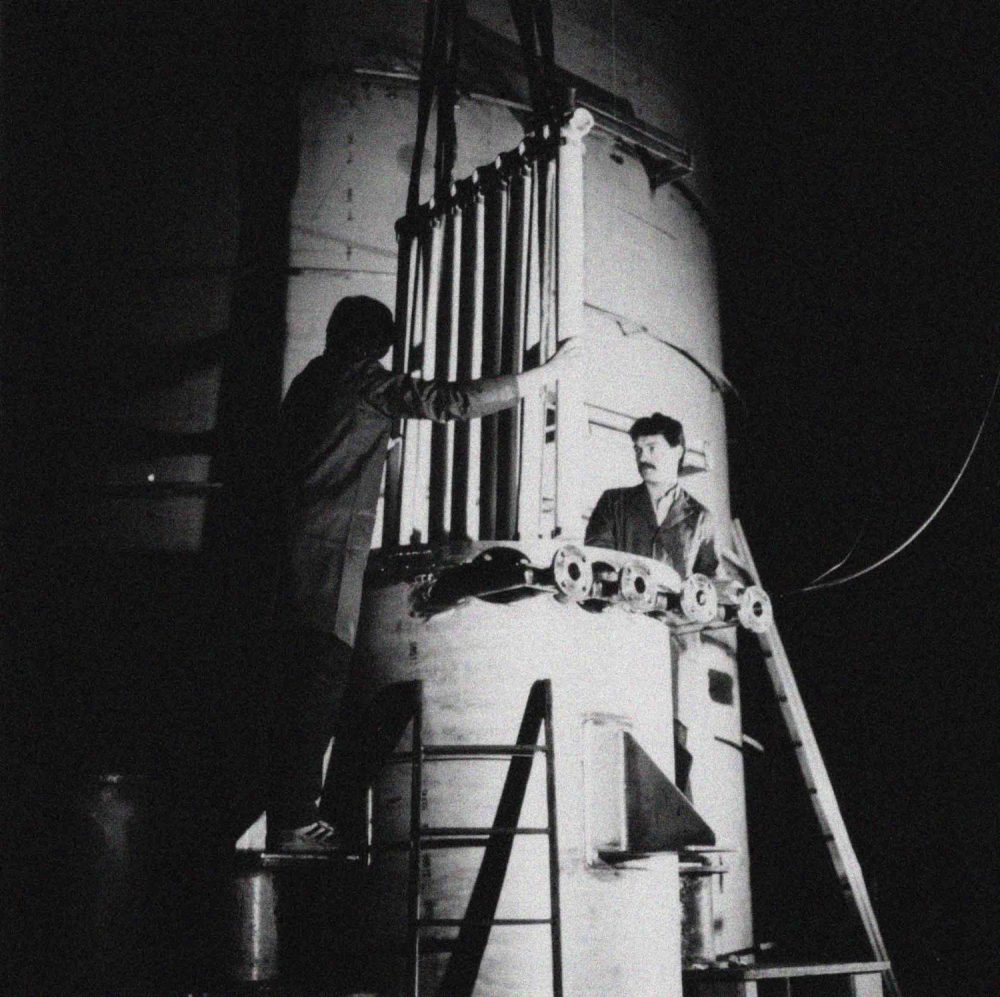
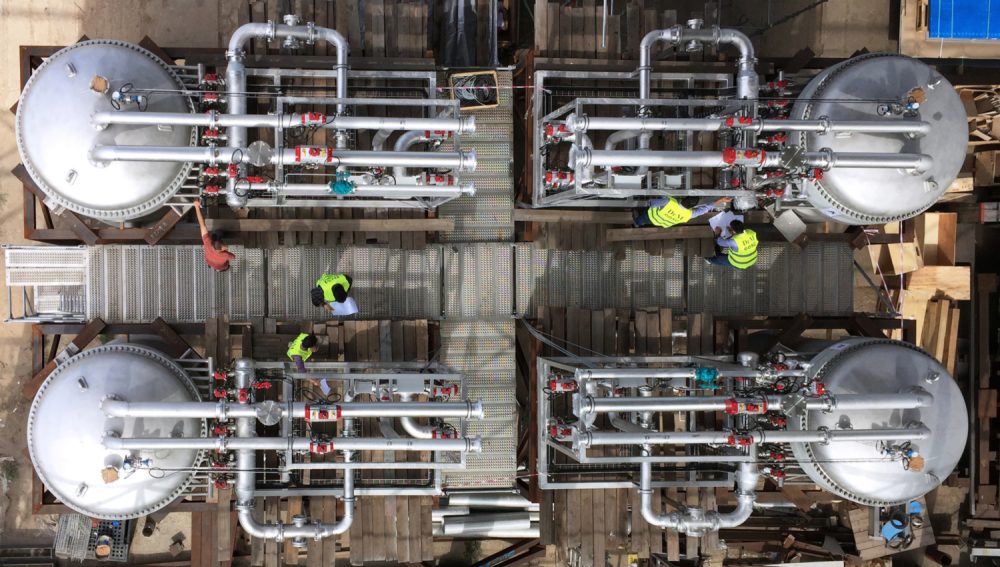
In the meantime the FUNDABAC® Filter has advanced into many new fields of applications with various innovations and patents around the same filtration principle. As the industry is progressing into new materials, larger scales, streamlined processes to increase yields and become more efficient as well as into circular economies, the scalability of the FUNDABAC® can offer great value in many cases. As a contributor to a more ecological future it will also play an important role for the years to come.
Frequently Asked Questions
Who founded DrM and what is the company’s origin?
DrM is the work and legacy of Dr.-Ing. chem. Hans Mueller (1913-1984), an inventor and industrialist. After earlier ventures, including patenting the car catalyst in 1930s Paris and inventing the thin-film evaporator, he founded Chemap AG, and at the beginning of the 1980s, after selling Chemap, he established DrM, Dr. Mueller AG to continue developing his latest generation of filters, giving birth to the FUNDABAC® filter.
What was the FUNDA® filter and how does it relate to FUNDABAC®?
The FUNDA® filter, developed at Hans Mueller’s earlier company Chemap AG, was the first filter with centrifugal discharge, and more than 5,000 systems were used across all branches of industry for solid/liquid separation. When Mueller founded DrM he continued with his latest generation of filters, which became the FUNDABAC®, building directly on that heritage.
What made the FUNDABAC® filter innovative?
The FUNDABAC® revolutionized an old principle with refined simplicity and flexibility, handling liquids with many or few solids alike. Its simple construction allowed the filter vessel to be made from steel, stainless steel, or plastic-coated, rubber-coated or enamelled variants, with internal components in steel, stainless steel, PP, PVDF or PPS, which solved corrosion problems cost-effectively.
What residue discharge options does the FUNDABAC® offer?
The FUNDABAC® enables easy discharge of residues in three variants: dry, slurry, and continuous thickening. Continuous thickening is carried out using the CONTIBAC® process, which discharges the residues continuously at short intervals. Cleaning of the filter media is carried out by backflushing with liquid and/or by gas blowing under high pressure.
How does the FUNDABAC® continue to evolve today?
The FUNDABAC® has advanced into many new fields of application through various innovations and patents around the same filtration principle. As industry moves toward new materials, larger scales, streamlined higher-yield processes and circular economies, the scalability of the FUNDABAC® offers great value in many cases and supports a more ecological future.