What can pilot filtration tests tell you about flux, cake behavior, and cloth selection?
In many chemical processes, the filtration step is considered a bottleneck. Therefore a properly designed filter that factors in its sizing is critical for successful plant operation.
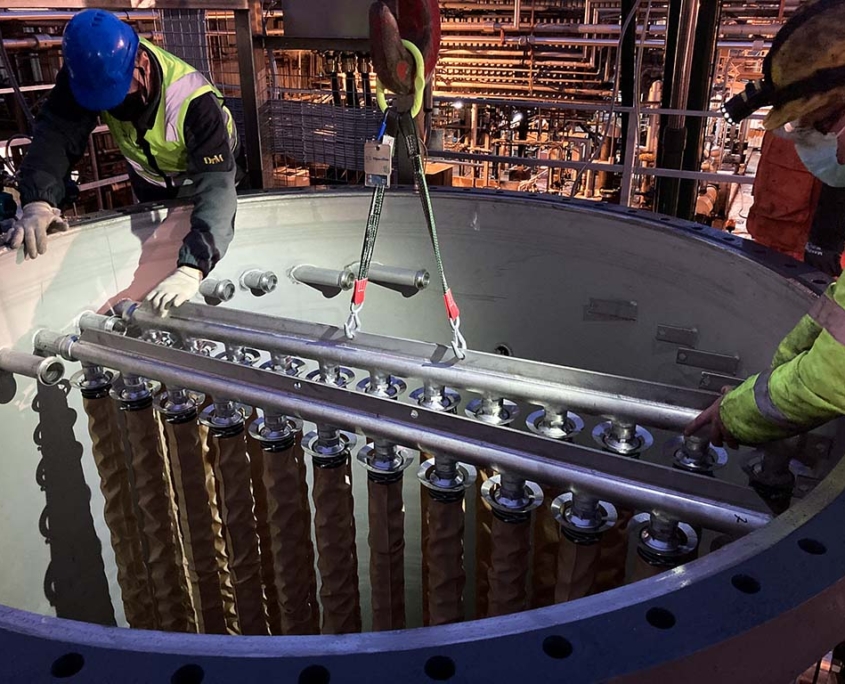
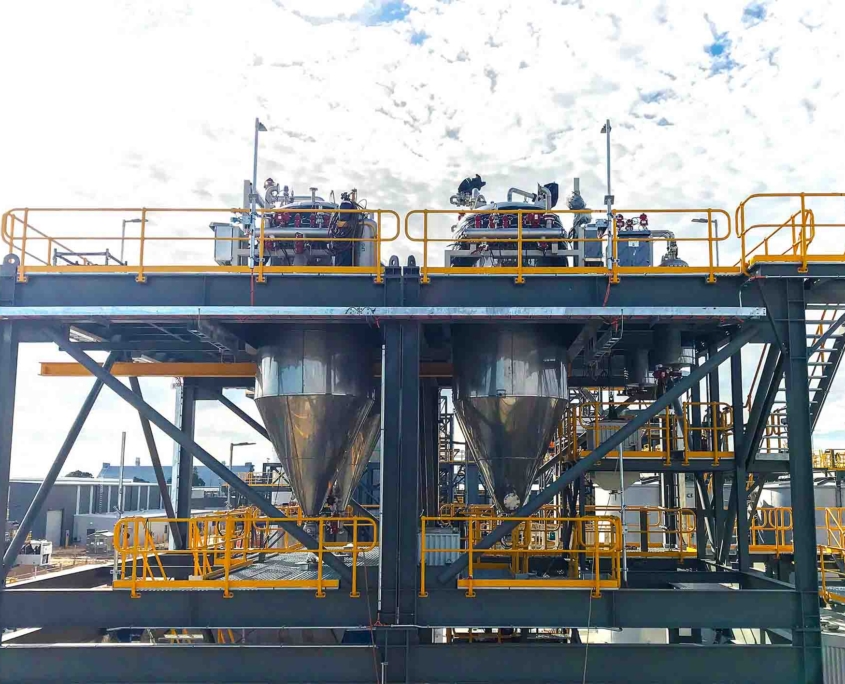
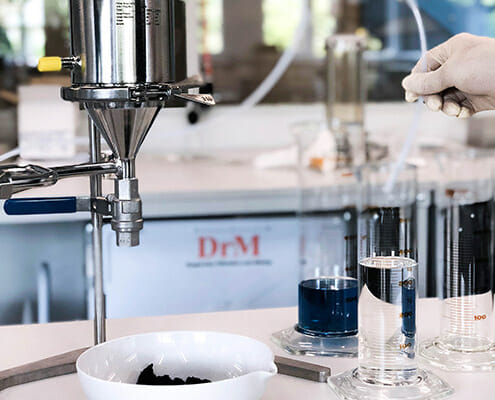
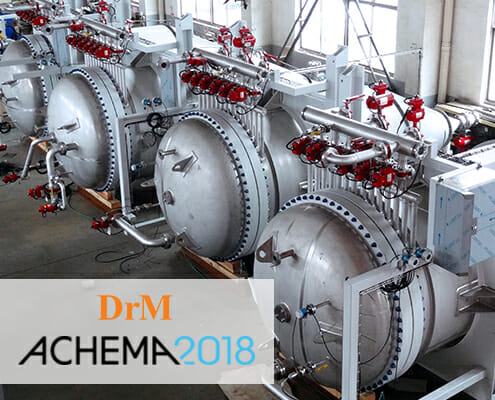
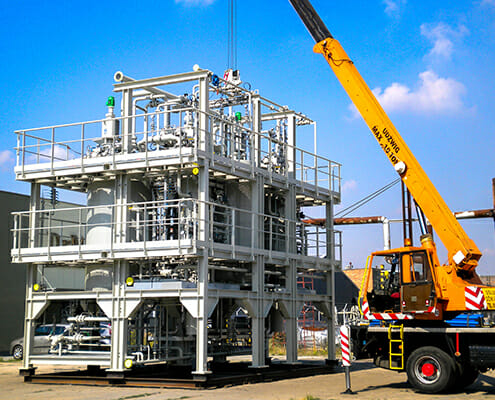
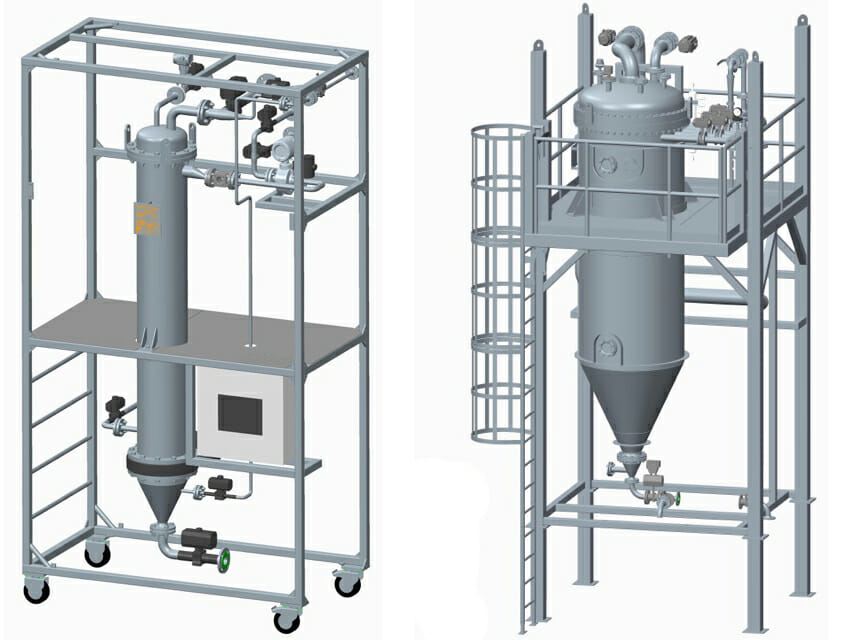
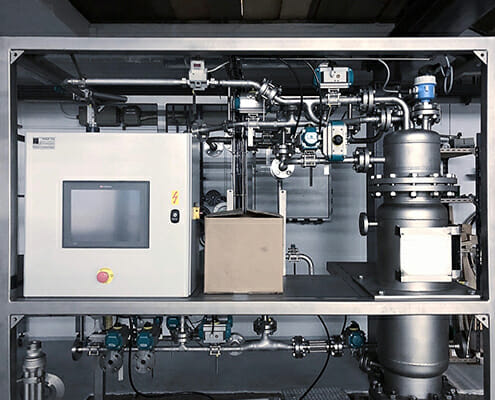
In addition to DrM’s extensive filtration experience and know-how in hundreds of different processes which DrM has acquired as a result of its 3000 filter references, DrM is capable of supplying a wide array of pilot filters ranging from lab scale (0.012 m2 filtration area) to industrial production scale (50.7m2 filtration area).
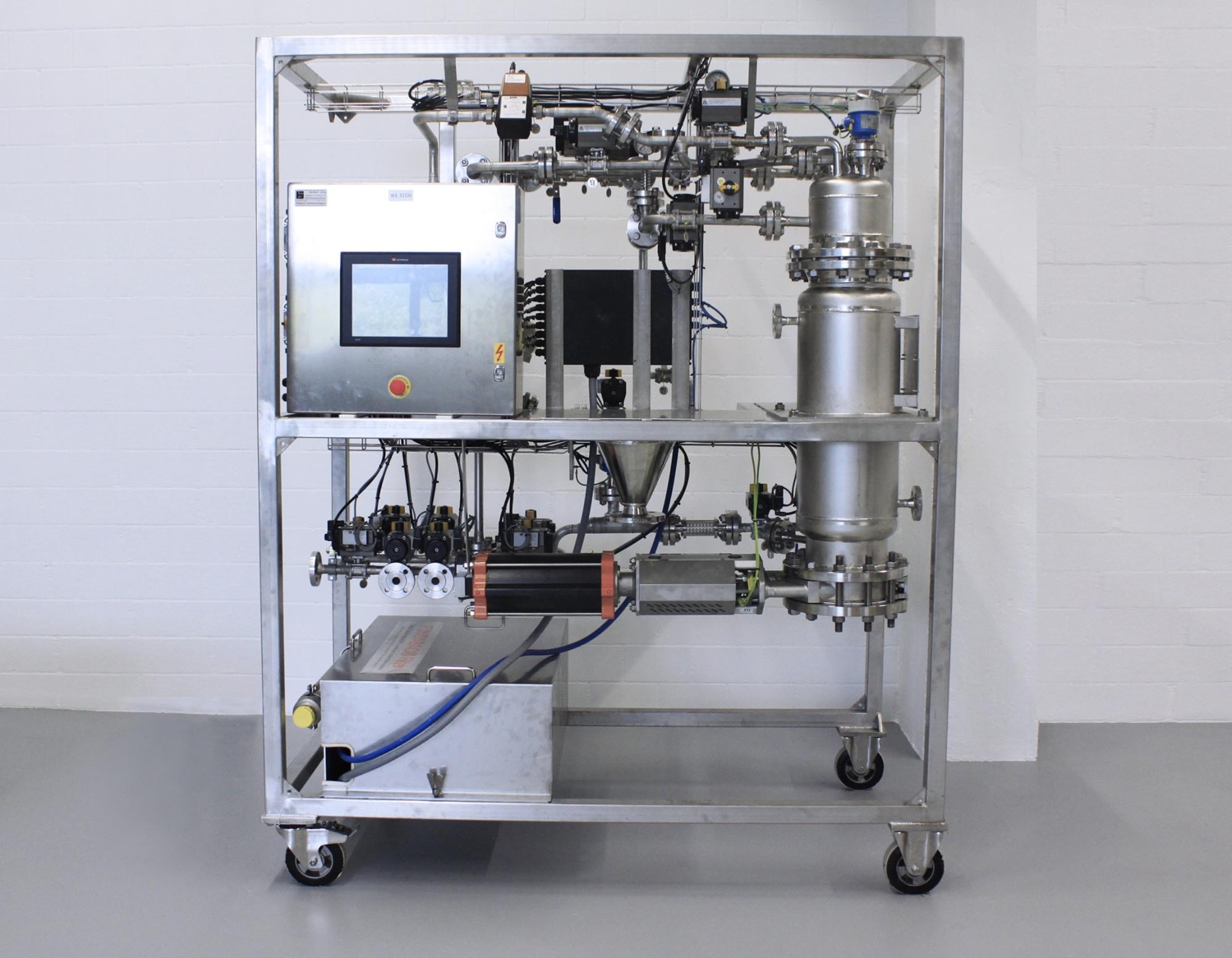
Many conclusions can be drawn as a result of observing the following 8 pilot testing aspects:
- An accurate flux rate per m2, essential in order to properly size an industrial filter, can be determined
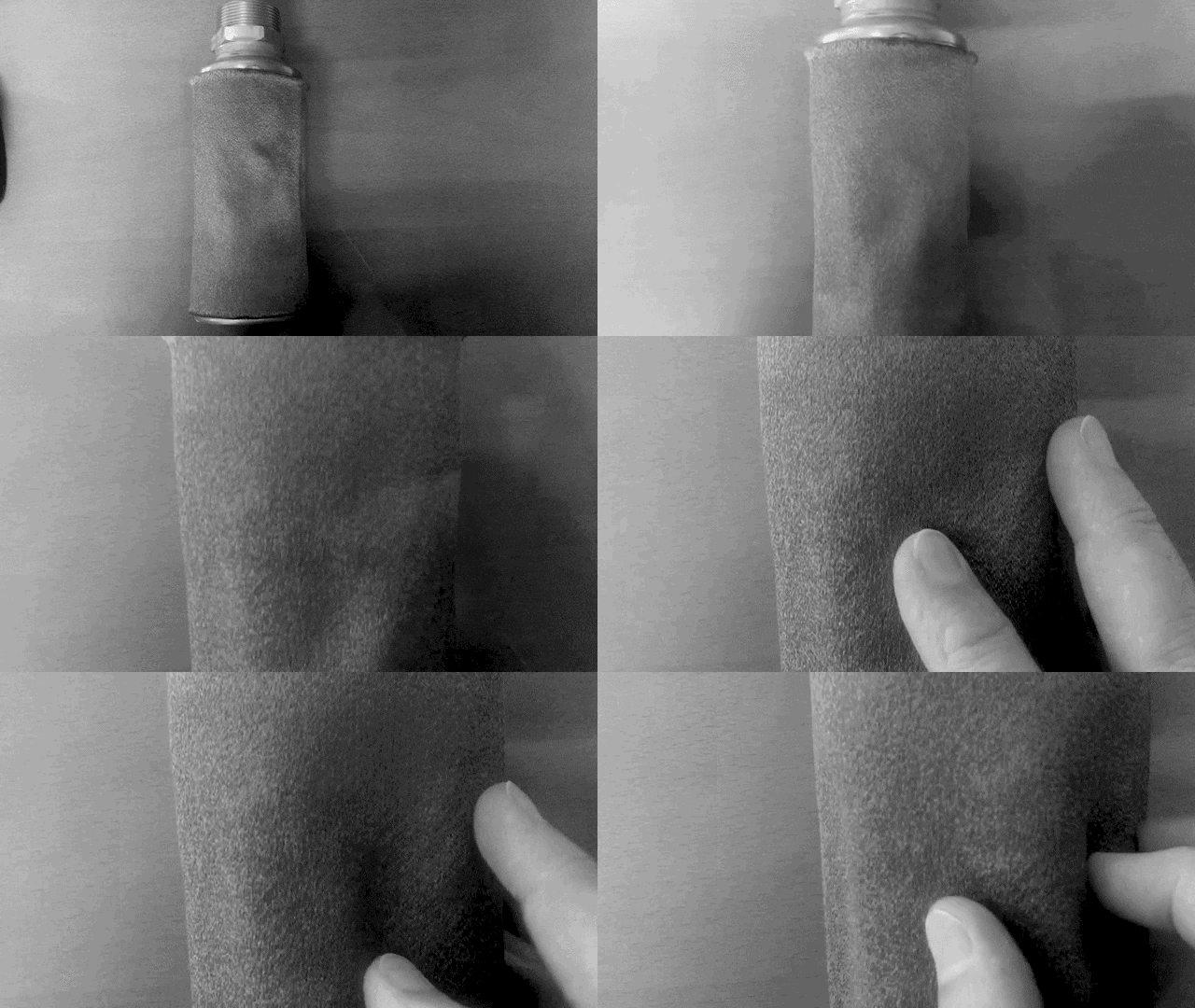
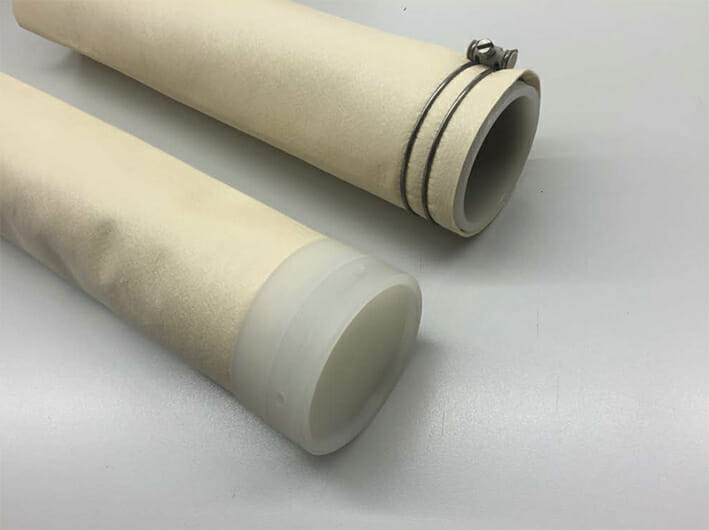
- The best performing filter cloth can be selected as a result of observing filtrate quality
- The determination of filter cake thickness and dehydration potential, as well as filter cake discharge behavior (the latter, in the case of the FUNDABAC® filter)
- The performance of filter cake washing, if required for the process
- The determination of optimal filter cake formation
- Solids concentration or Total Suspended Solids (TSS), in the case of CONTIBAC® slurry discharge
- Determination of an optimal cloth cleaning procedure to ensure original flow rate repeatability, batch after batch to ensure a much longer cloth life time
- Cake discharge procedure as a result of cake discharge observation
DrM has recently developed a new test software in which the most important parameters for filtration unit design are highlighted. The parameters include:
- Required flow rate to correctly size a filter
- Cake thickness and dryness to obtain an accurate estimate of waste associated costs or alternatively the design of post treatment driers
- Optimum total cycle time considering both filtration and down times (filter filling, draining, drying, washing and cake discharge)
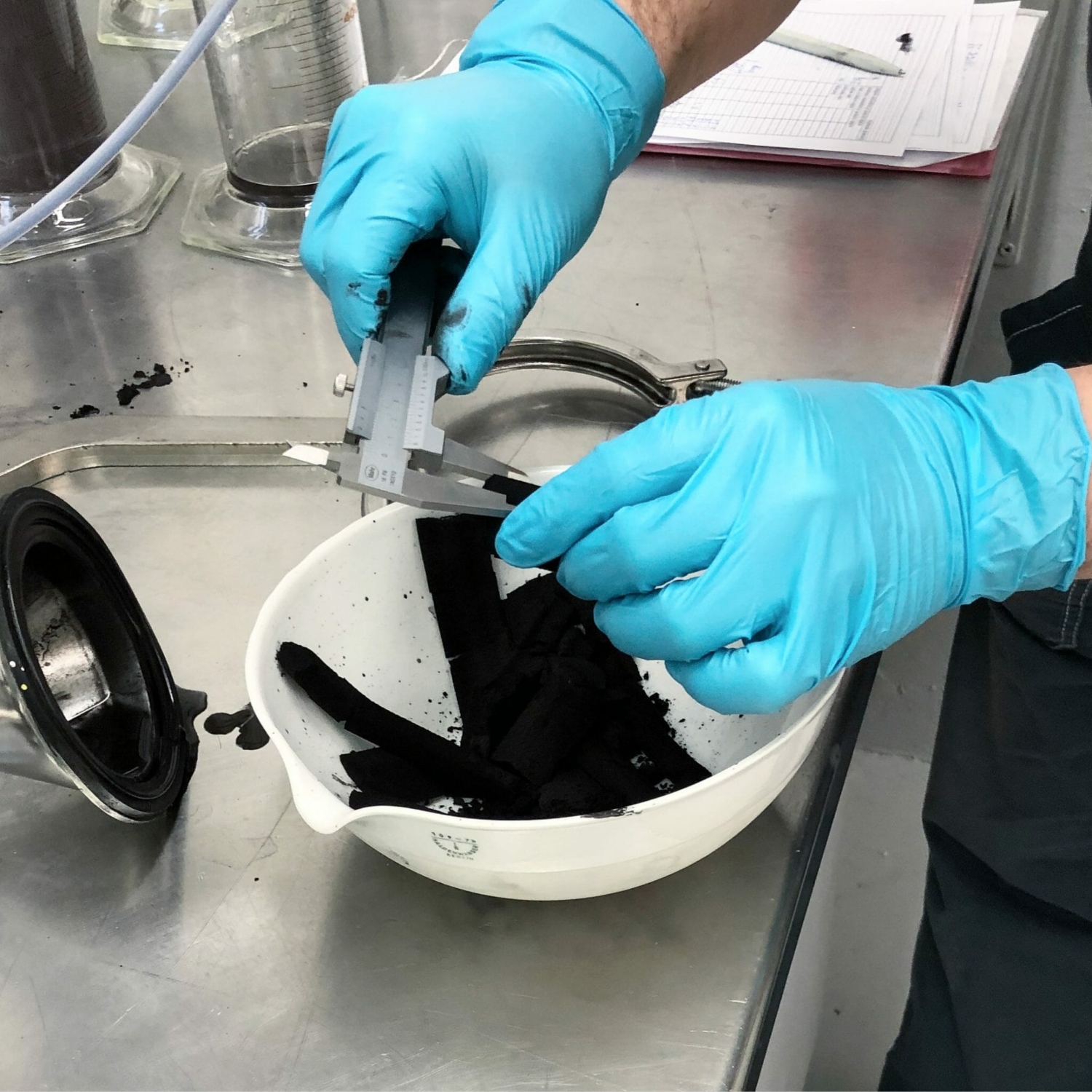
Once key parameters are known, industrial filter sizing for optimal operation can be determined accordingly.
Frequently Asked Questions
Why is the filtration step so critical in chemical processes?
In many chemical processes the filtration step is considered a bottleneck, so a properly designed and correctly sized filter is critical for successful plant operation. Getting the sizing right avoids filtration becoming a limiting factor in production.
What range of pilot filters does DrM offer for testing?
Drawing on experience from around 3,000 filter references across hundreds of processes, DrM can supply a wide array of pilot filters ranging from lab scale (0.012 m² filtration area) up to industrial production scale (50.7 m² filtration area), allowing testing at the appropriate scale for each application.
What can pilot filtration tests tell you?
Pilot testing reveals many parameters, including an accurate flux rate per m² for sizing, the best-performing filter cloth based on filtrate quality, filter cake thickness, dehydration potential and discharge behaviour, cake-washing performance, optimal cake formation, solids concentration or TSS (in the case of CONTIBAC® slurry discharge), and the optimal cloth-cleaning procedure for repeatable flow and longer cloth life.
What parameters does DrM’s test software highlight for filter design?
DrM developed test software that highlights the most important parameters for filtration unit design: the required flow rate to correctly size a filter, the cake thickness and dryness (to estimate waste-associated costs or design post-treatment driers), and the optimum total cycle time, accounting for both filtration and down times such as filling, draining, drying, washing and cake discharge.
How does pilot testing lead to correct industrial filter sizing?
Once the key parameters are known from pilot testing, such as flow rate, cake behaviour and cycle time, industrial filter sizing for optimal operation can be determined accordingly, reducing scale-up risk and helping ensure reliable performance in production.