Our Testing Process
We at DrM believe that lab scale and pilot testing are indispensable tools for selection, sizing and validation of process equipment.
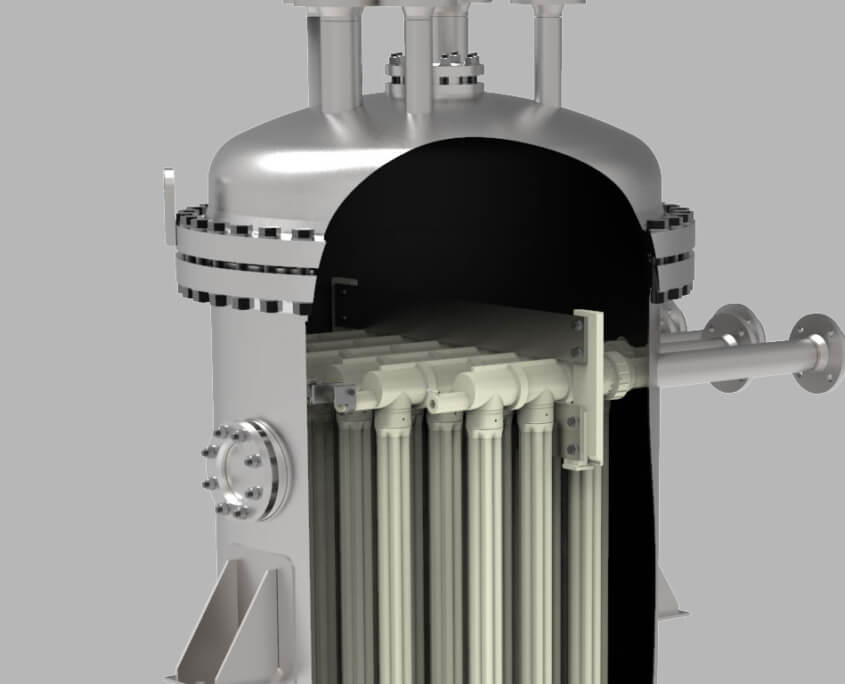
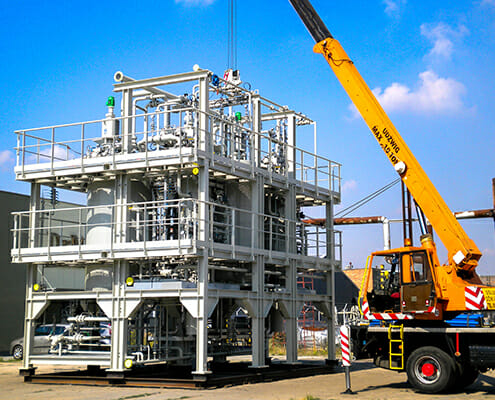
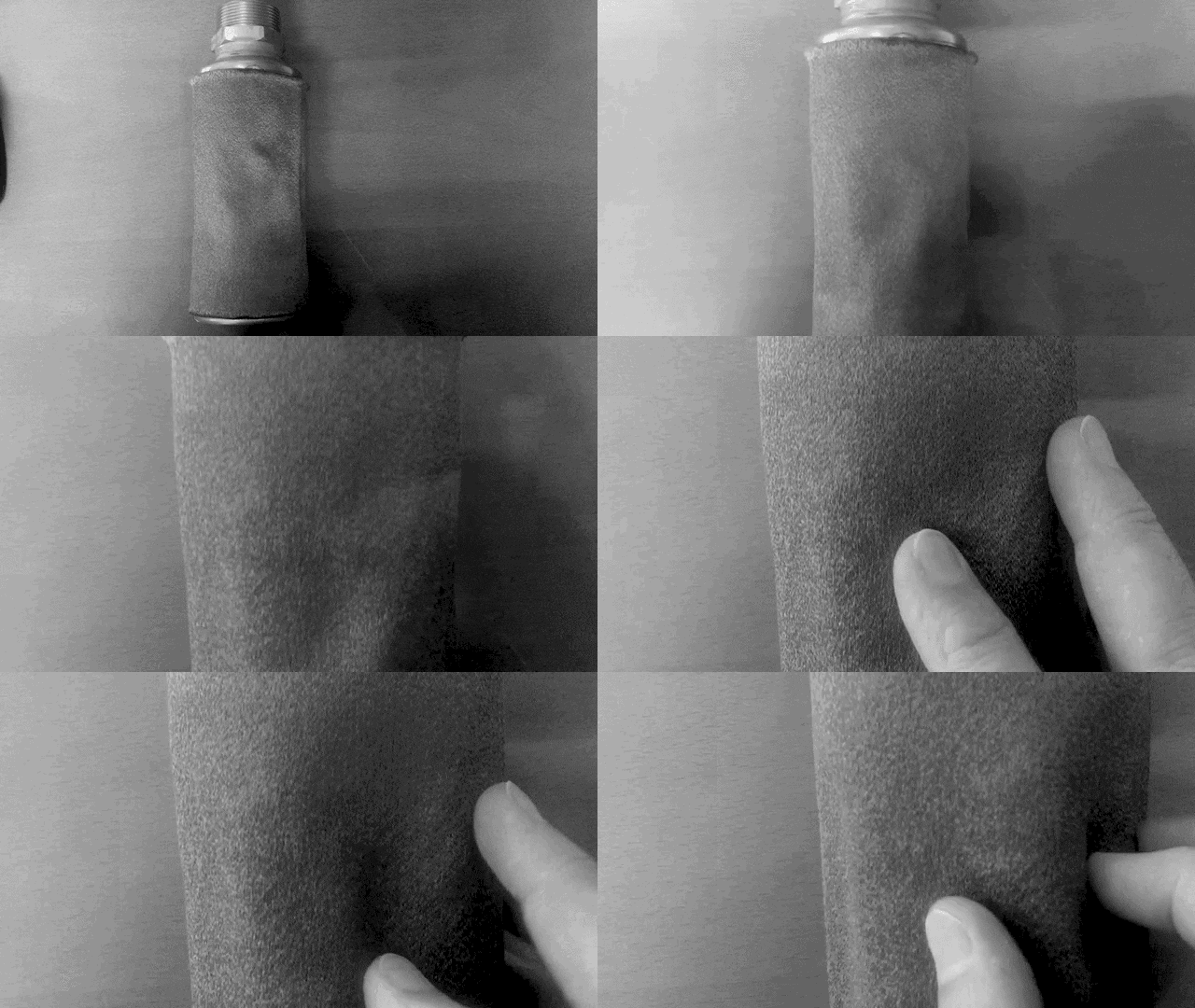
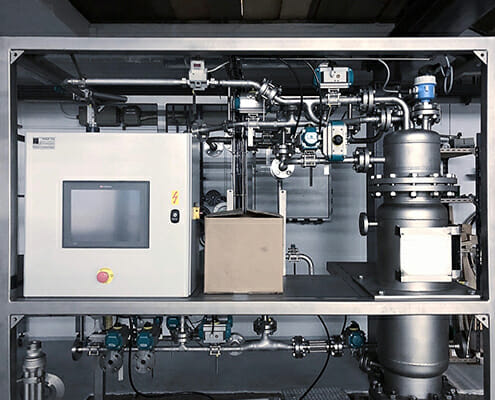
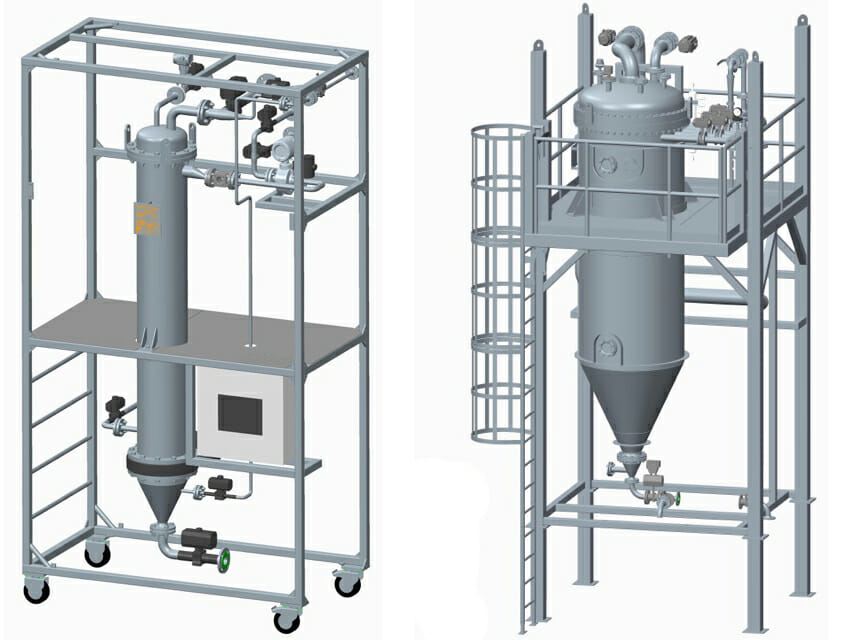
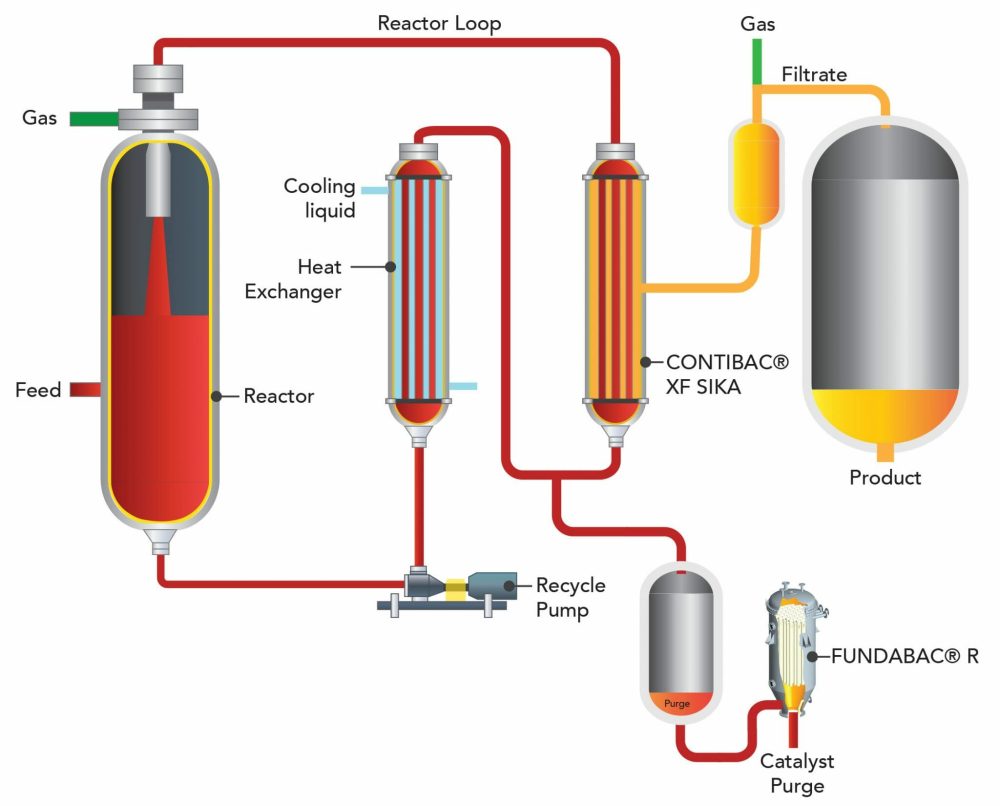
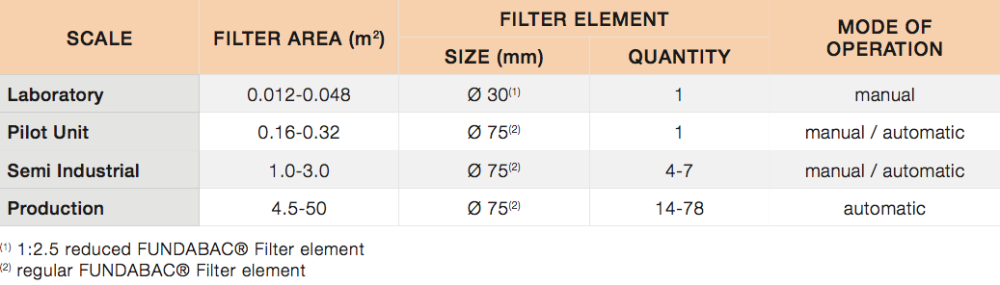
This is why we offer a unique fleet of testing and rental equipment ranging from a 0.001 m2 lab Nutsche, via our 0.012 m2 TSD pocket filter and mono-candle pilot units up to full scale production skids. Our skilled laboratory staff and process specialists are at your disposal to solve almost every filtration problem.
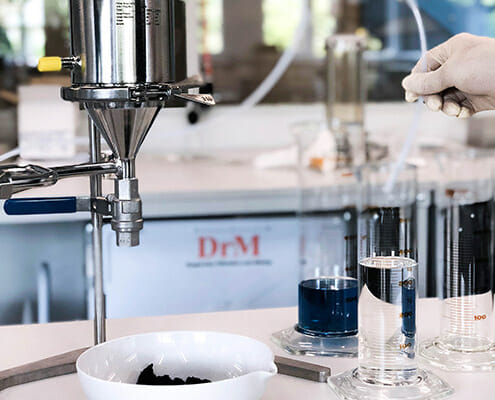
A new or unknown filtration task usually starts with Nutsche tests followed by lab scale trials on our TSD pocket filter. These tests are often performed at DrM’s in-house filtration laboratory using the original product mixtures at realistic condition whenever possible. Clients are invited to attend the testing, become an eye-witness and discuss the results as they are generated. Already at this stage important data on flow, pressure, filtrate quality, residual moisture, washing yield, filter aid demand and other parameters are determined. After significant lab scale testing it is possible to size the full-scale production equipment, provide budgetary quotes and preliminary layouts.
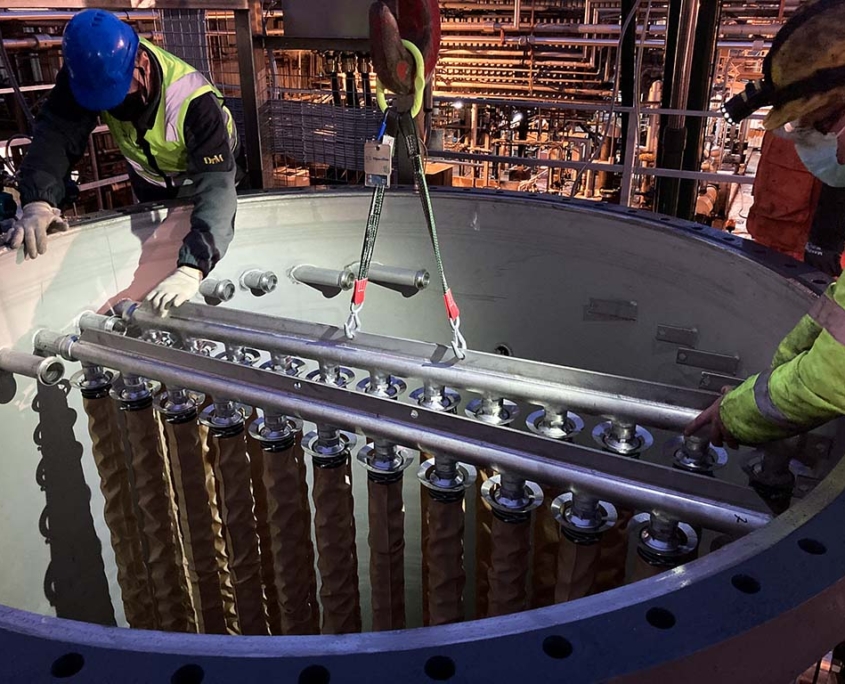
In a next step larger scale testing on mono-candle pilot units or semi-scale demonstration units follows under most realistic conditions. During such campaigns the lab results are refined and the processes are optimized. The goal now is to achieve a stable and continuous operation, gain experience and fine-tune the filtration system. The insight serves the process engineer and plant designer for sound planning and specification of the full-scale production equipment. After the execution of significant pilot tests the determination of a performance or process guarantee is normally possible.
Test Report
A consistent and precise testing procedure must be accompanied with an efficient and functional reporting system. For this DrM developed its own test reporting database which is running in the cloud and can be accessed by our whole team. This allows our service engineers and partners to get access from anywhere around the World. Data is entered in an organised fashion and reports including graphical views are produced within minutes. Pictures and videos taken during the testing can be added to document the trials. The system can be accessed on mobile devices, laptops or through any web browser.
Frequently Asked Questions
Why are lab and pilot testing important for filtration equipment?
DrM considers lab-scale and pilot testing indispensable tools for the selection, sizing and validation of process equipment. Testing on the actual product mixtures under realistic conditions provides the data needed to size full-scale production equipment, reduce scale-up risk, and, after significant pilot testing, establish a performance or process guarantee.
What testing equipment does DrM offer?
DrM offers a fleet of testing and rental equipment ranging from a 0.001 m² lab Nutsche, through a 0.012 m² TSD pocket filter and mono-candle pilot units, up to full-scale production skids. Skilled laboratory staff and process specialists support clients in solving almost every filtration problem.
What happens during a lab-scale filtration test?
A new or unknown filtration task usually begins with Nutsche tests followed by lab-scale trials on the TSD pocket filter, performed at DrM’s in-house laboratory using the original product mixtures at realistic conditions whenever possible. These trials determine key data such as flow, pressure, filtrate quality, residual moisture, washing yield and filter aid demand, and clients are invited to attend and discuss the results as they are generated.
How does pilot testing support full-scale plant design?
After lab-scale testing, larger-scale trials on mono-candle pilot units or semi-scale demonstration units follow under the most realistic conditions. These campaigns refine the lab results, optimize the process and aim for stable, continuous operation, giving the process engineer and plant designer the insight needed for sound planning and specification of the full-scale production equipment.
How does DrM document and share test results?
DrM developed its own cloud-based test reporting database accessible to the whole team, so service engineers and partners can reach it from anywhere in the world. Data is entered in an organised fashion and reports with graphical views are produced within minutes, with pictures and videos from the trials added to document them, and the system can be accessed on mobile devices, laptops or through any web browser.