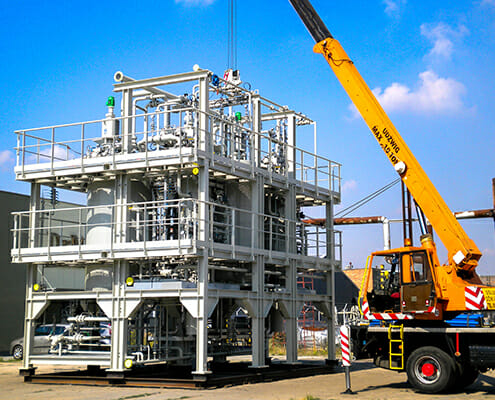
How can automated amine filtration improve reliability in sour gas treatment plants?
The effective and efficient removal of H2S, CO2 and other contaminants from gas streams is a key issue in the Oil & Gas industry. This is normally achieved by wet scrubbing using a proprietary alkanol amine (for example, MEA. MDEA. DEA, OASE) to “sweeten” the sour gas.
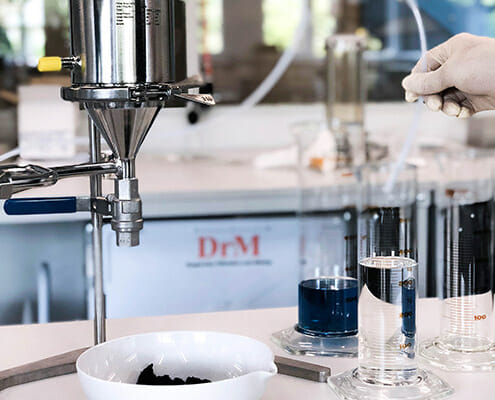
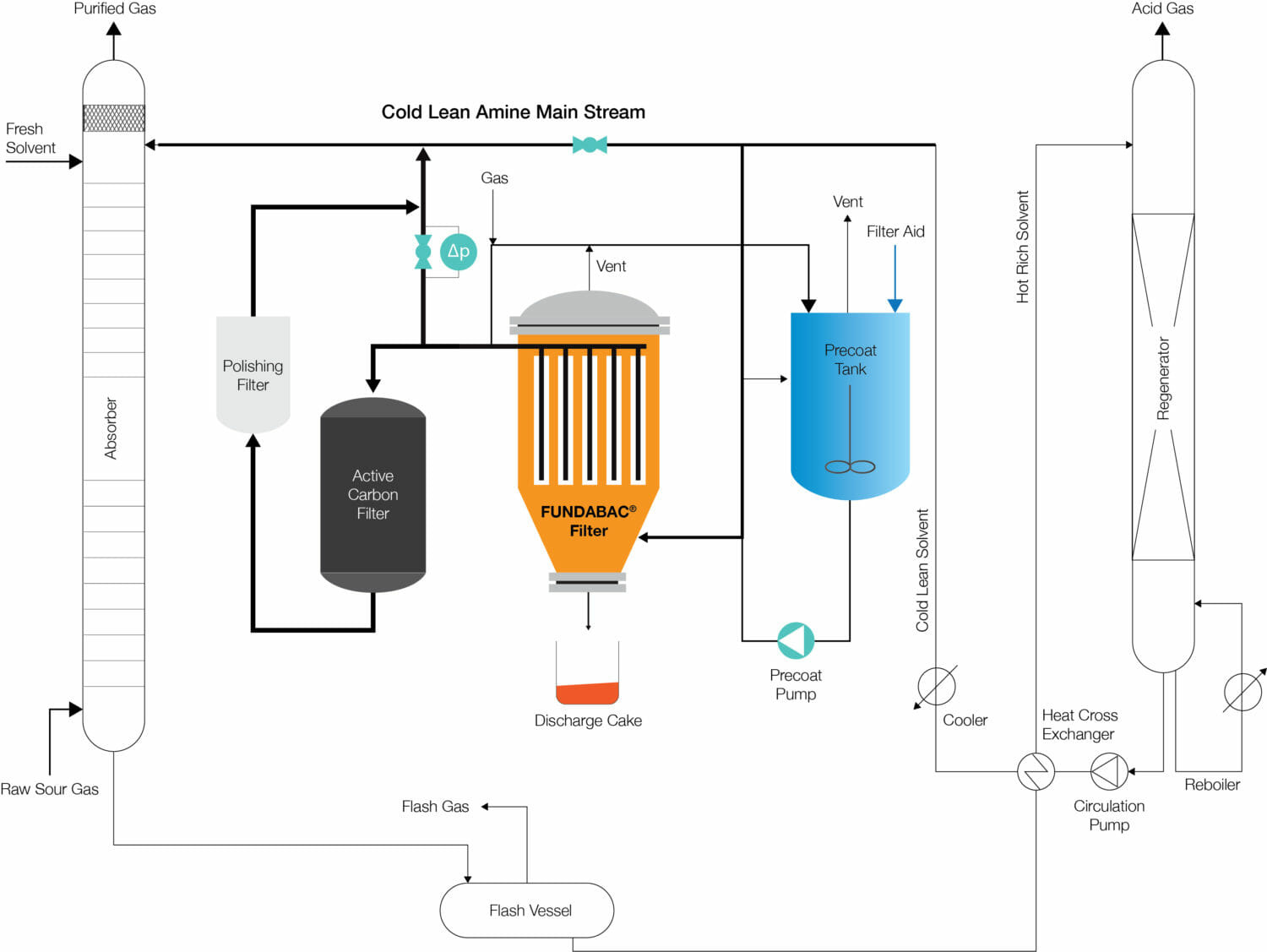
The amine solvent is regenerated by passing the it through a regeneration column. However, the amine solvent becomes contaminated with insoluble solids, which cause corrosion in the scrubber and pipework and, more critically, foaming and fouling in the regeneration column.
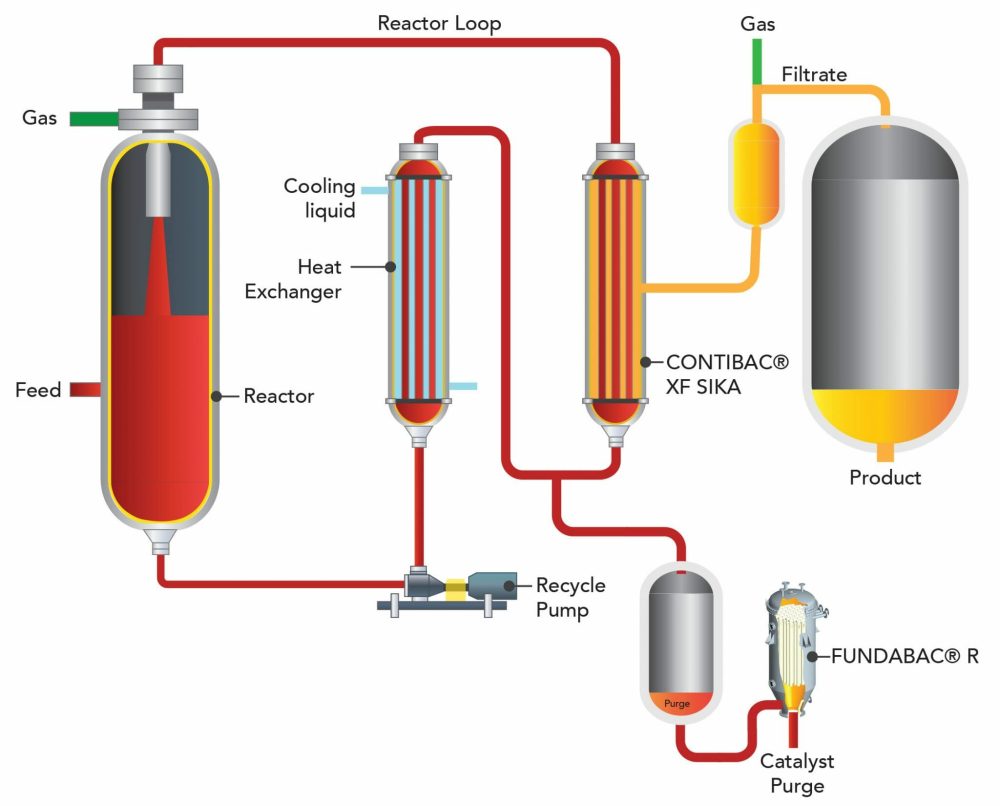
In order to eliminate these issues, filters are often fitted to the lean amine stream to remove the insoluble solid contaminants. It is typical to fit these to a 10% or 20% slip stream.
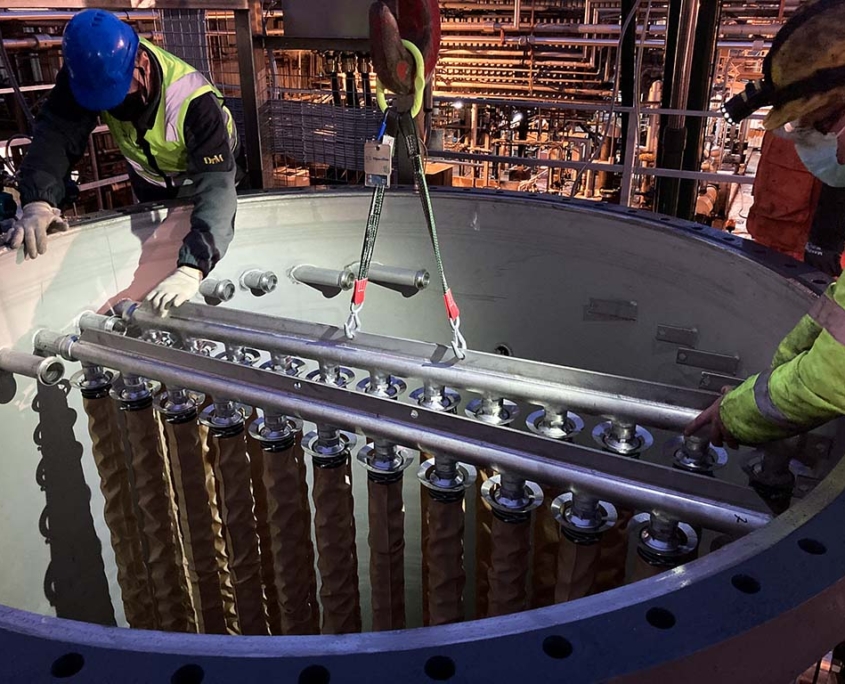
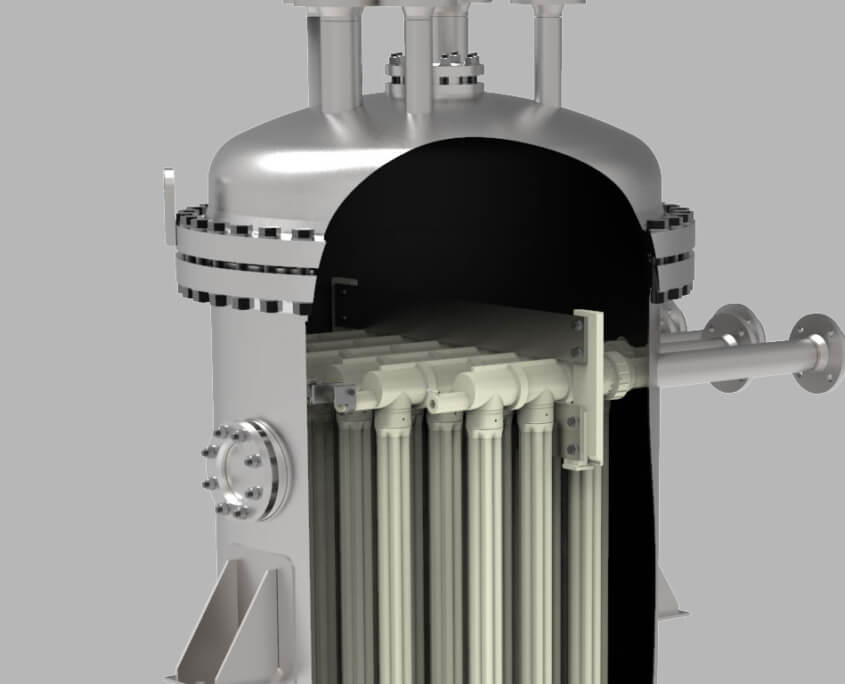
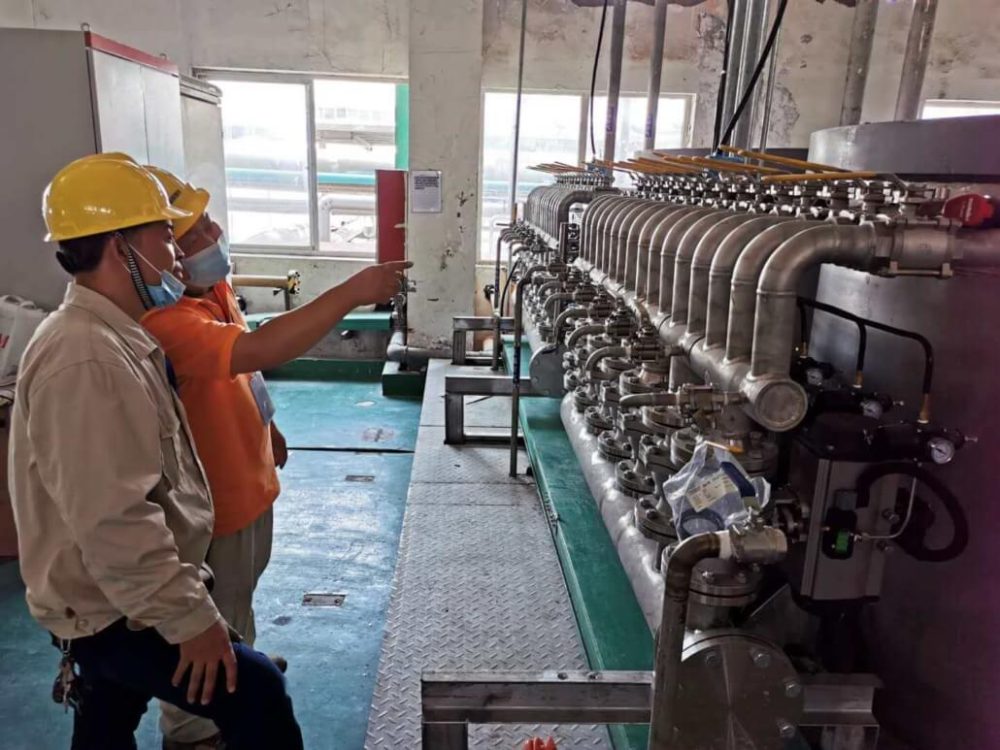
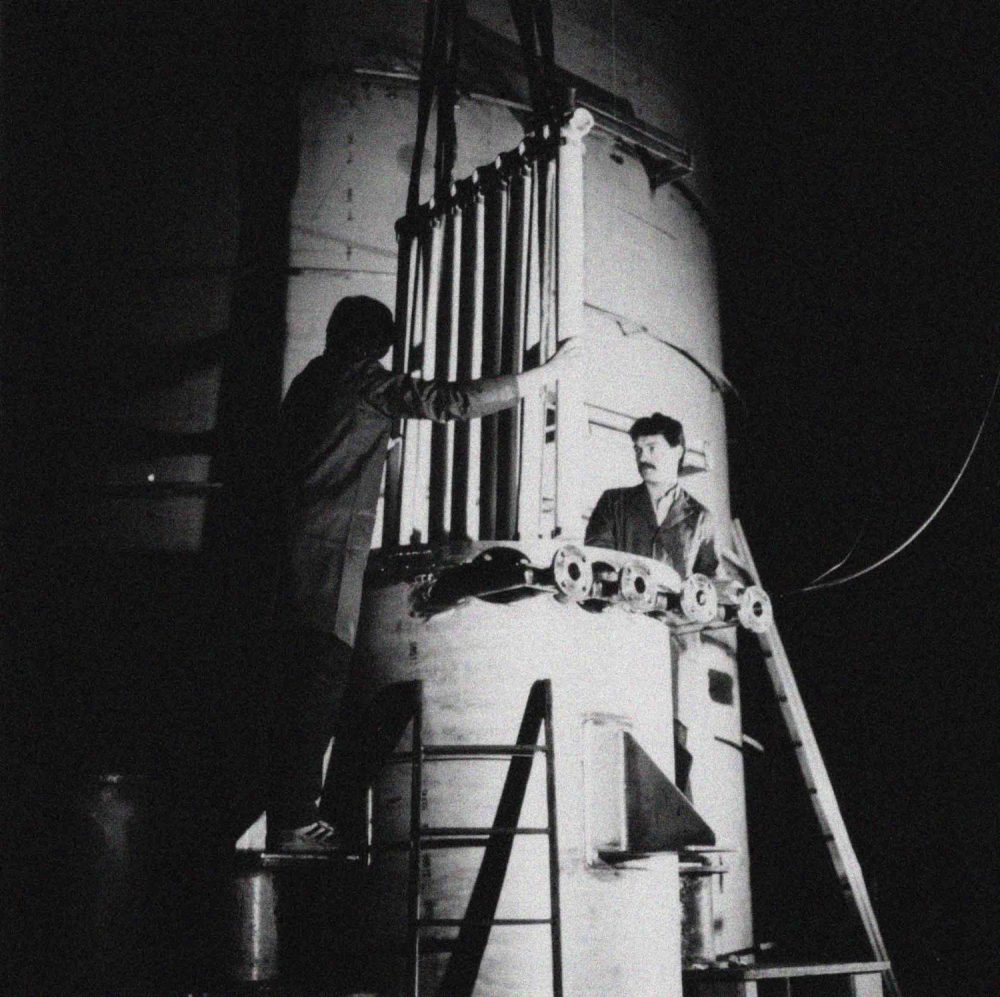
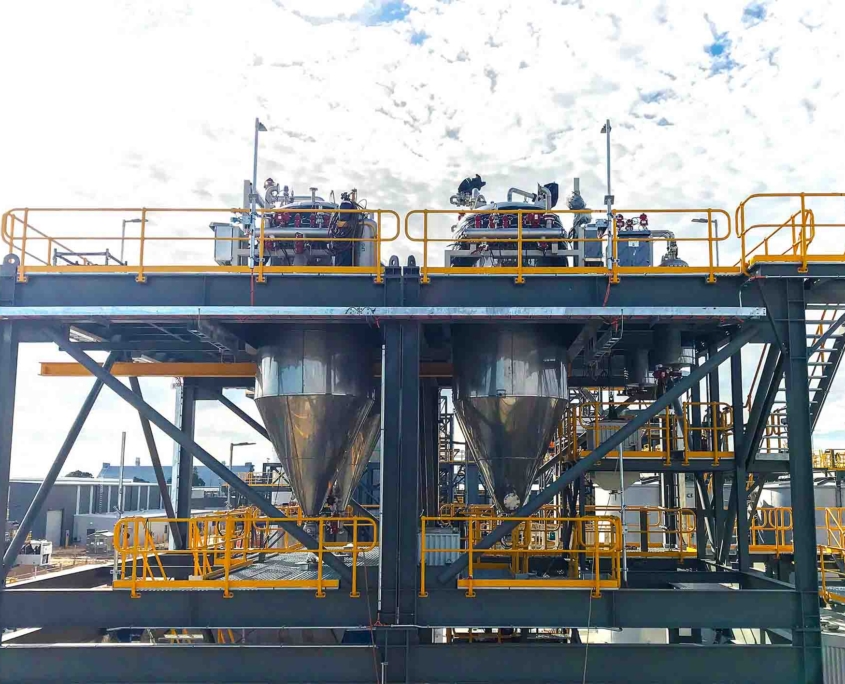
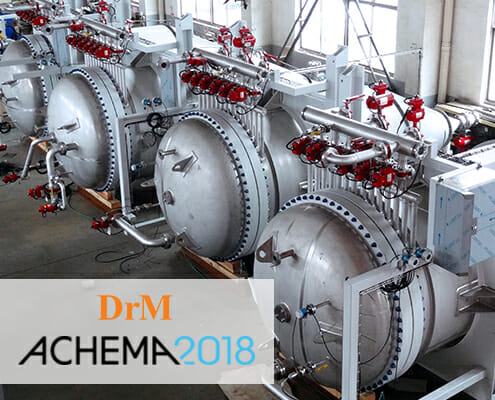
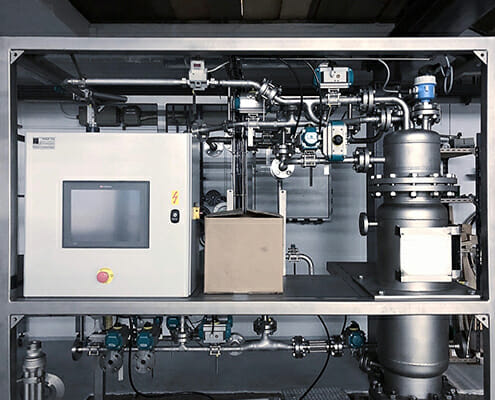
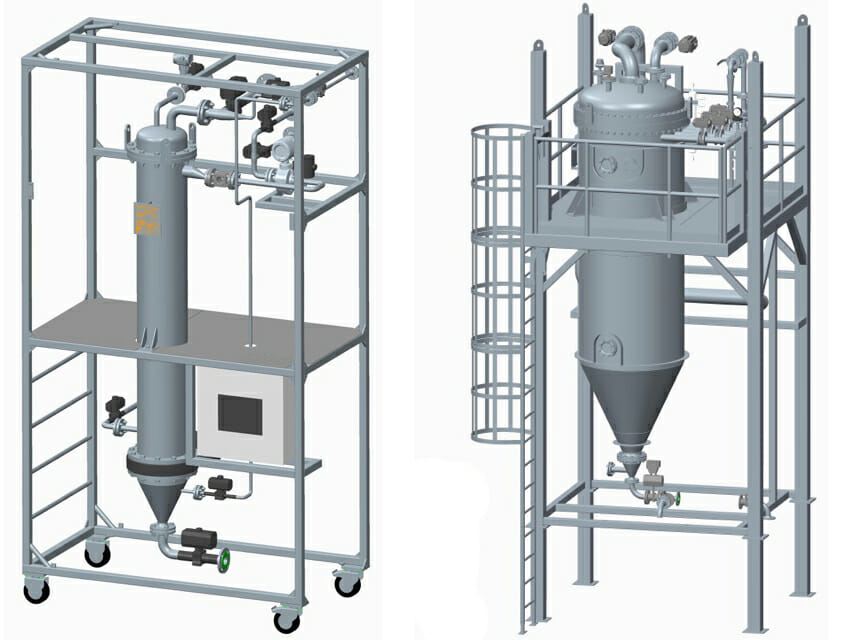
Whilst various types of replaceable cartridge type filters have been used on the lean amine slip streams, these have proven to be maintenance and OPEX intensive. The DrM FUNDABAC® has shown to provide a far superior solution, due to the ability to automatically discharge the collected solids as a dry cake and because of the very low maintenance requirements and OPEX associated with this special design of filter from DrM.
To date more than 80 DrM FUNDABAC® filtration plants have been supplied for this gas sweetening process, on a range of medium and large plant sizes. If you would like further more detailed information on the FUNDABAC® technology, amine treatment process, capabilities and economics, please contact us at our of our offices.
Frequently Asked Questions
What is sour gas treatment and how does amine sweetening work?
The effective and efficient removal of H₂S, CO₂ and other contaminants from gas streams is a key issue in the Oil & Gas industry. It is normally achieved by wet scrubbing with a proprietary alkanolamine, such as MEA, MDEA, DEA or OASE, to “sweeten” the sour gas, after which the amine solvent is regenerated by passing it through a regeneration column.
Why does the amine solvent need to be filtered?
During operation the amine solvent becomes contaminated with insoluble solids. These solids cause corrosion in the scrubber and pipework and, more critically, foaming and fouling in the regeneration column. To eliminate these problems, filters are fitted to the lean amine stream to remove the insoluble solid contaminants.
How much of the amine stream is filtered?
Rather than filtering the full flow, it is typical to fit the filters to a slip stream, treating a 10% or 20% slip stream of the lean amine.
Why is the FUNDABAC® better than cartridge filters for amine filtration?
Various replaceable cartridge-type filters have been used on lean amine slip streams, but they proved to be maintenance- and OPEX-intensive. The DrM FUNDABAC® provides a far superior solution because it can automatically discharge the collected solids as a dry cake, and because of the very low maintenance requirements and OPEX associated with its special design.
How widely is the FUNDABAC® used in gas sweetening?
To date, more than 80 DrM FUNDABAC® filtration plants have been supplied for the gas sweetening process, across a range of medium and large plant sizes.