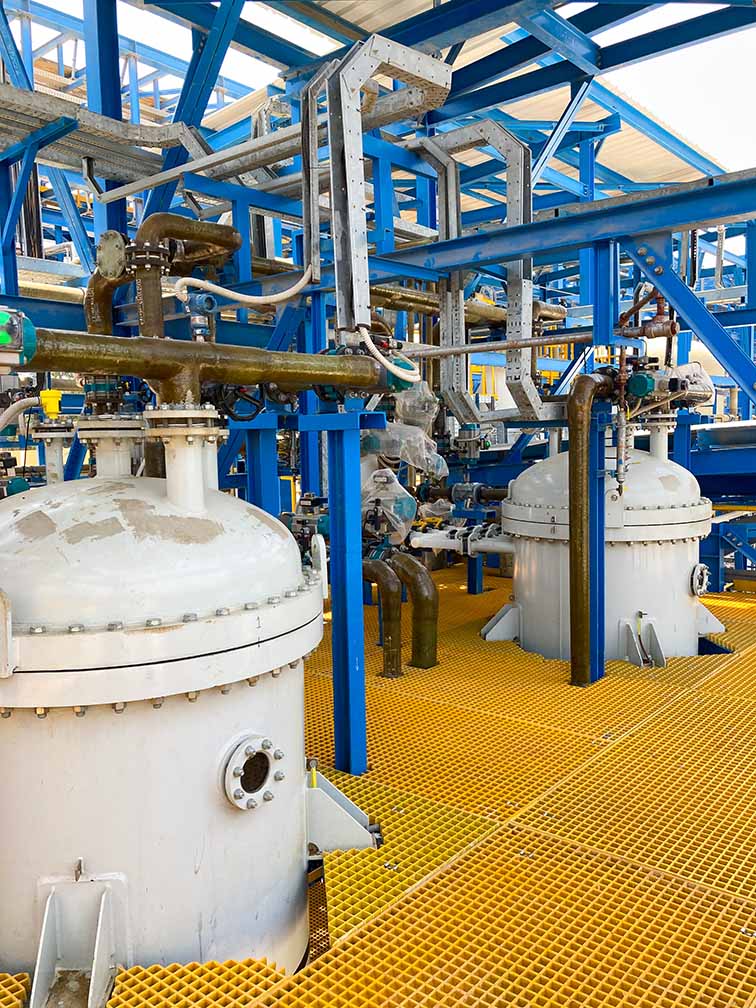
Membrane cell technology has become the established route for chlorine production and caustic soda manufacturing. It offers the lowest energy consumption of the major electrolysis processes and eliminates the need for mercury. But the process is unforgiving when it comes to feed quality. The sodium chloride brine fed to the electrolyzer must meet strict purity standards, as the ion exchange membranes inside the cells are sensitive to particulate contamination. A polishing filtration step is not optional. It is the last line of defense before the brine enters the cells.
What makes brine purification so demanding in chlor-alkali plants?
The challenge in chlor-alkali brine filtration is not simply removing suspended solids. It is doing so consistently, at very low residual concentrations, in a process environment that is both highly corrosive and variable by nature.
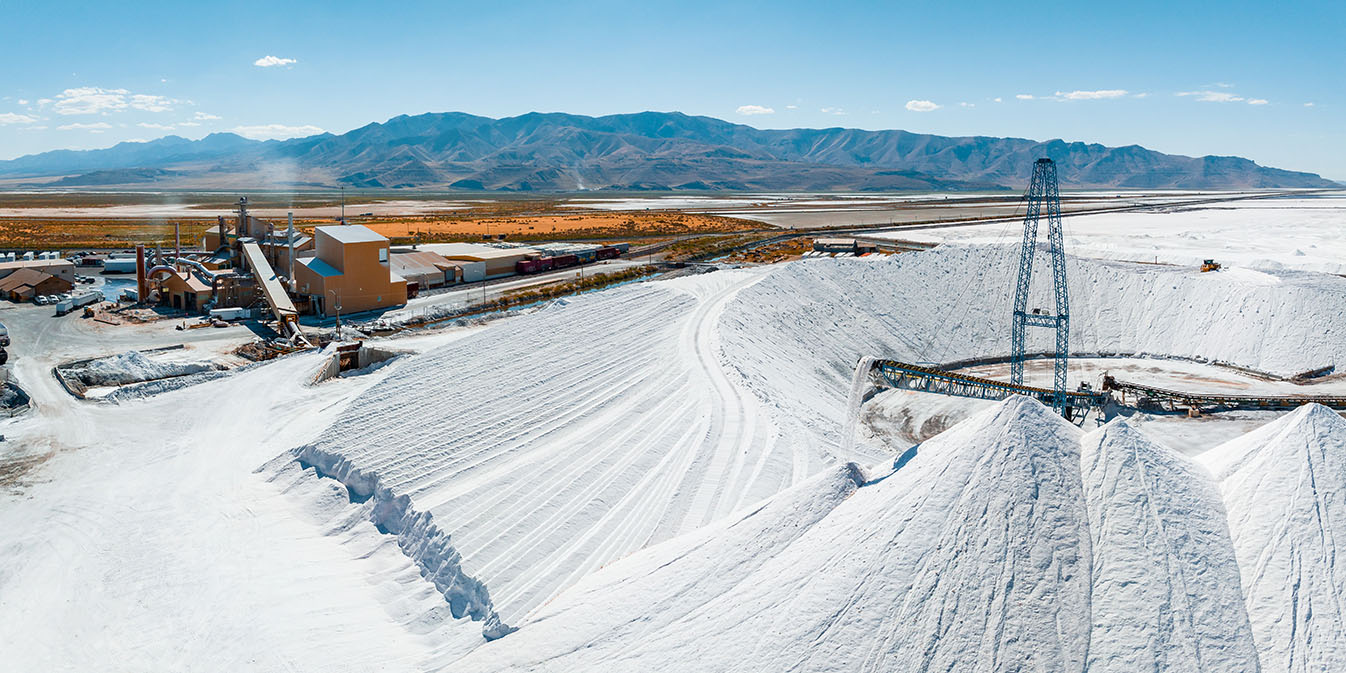
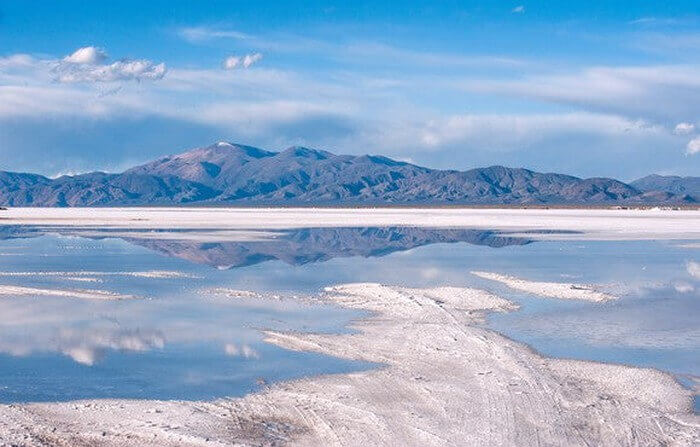
Brine chemistry varies depending on the salt source. Vacuum-purified salt produces a relatively clean feed, where filtration is limited to a final polishing step. Rock salt and solar (marine) salt introduce higher levels of calcium, magnesium, and sulphate compounds, requiring additional upstream precipitation and separation before the polishing stage. Even after a static decanter and anthracite filter, residual suspended solids in the brine typically reach 30 to 50 ppm and 5 to 15 ppm respectively. The electrolyser membranes require better than 0.3 to 0.5 ppm. That gap has to be closed reliably, every cycle.
At the same time, the equipment handling this brine is exposed to aggressive chemistry. Chlorine, caustic soda, and brine at elevated temperatures attack most conventional metals. Any component selection that does not account for this corrosive environment will result in accelerated wear, frequent maintenance interventions, and shortened service life.
What are the filtration requirements at the brine polishing stage?
For the filtration step to protect the membrane electrolyser, it must meet three requirements simultaneously. Filtrate quality must be consistently below 0.5 ppm suspended solids, regardless of variation in feed solids concentration or salt quality. The equipment must be built from materials that withstand the corrosive process media over long service periods. And the system must offer operational flexibility, because plants routinely need to manage both slurry and dry cake discharge depending on downstream handling.
| Parameter | Membrane Electrolyser Requirement | Removal Method |
|---|---|---|
| Suspended solids | < 0.5 ppm | Candle filtration (FUNDABAC®) |
| Ca²⁺ | < 0.02 mg/L | Ion exchange |
| Mg²⁺ | < 0.02 mg/L | Ion exchange |
| Sr²⁺ | < 0.1 mg/L | Ion exchange |
Conventional drum filters and filter presses can address parts of this requirement, but not all. Drum filters are typically limited to slurry discharge and can struggle to reach the residual solids targets required for membrane protection. Filter presses require manual intervention and do not lend themselves easily to closed, automated operation in a corrosive environment.
Which filtration technology is right for chlor-alkali brine polishing?
| Candle filter (FUNDABAC®) | Drum filter | Filter press | |
|---|---|---|---|
| Filtrate quality | Below 0.5 ppm suspended solids | 5–15 ppm typical | Achievable under optimal batch conditions; consistency varies |
| Precoat filtration | Yes, continuous | Yes, but limited control | Manual batch only |
| Corrosion-resistant materials | Yes (plastics, rubber lining, titanium) | Standard materials; limited chemical resistance | Standard materials; limited chemical resistance |
| Closed operation | Yes | No | No |
| Cake discharge options | Dry or slurry | Slurry only | Dry only |
| Automation level | Fully automated | Semi-automated | Manual intervention required |
| Maintenance frequency | Low | Moderate to high | High |
How does the FUNDABAC® candle filter address brine polishing in chlor-alkali plants?
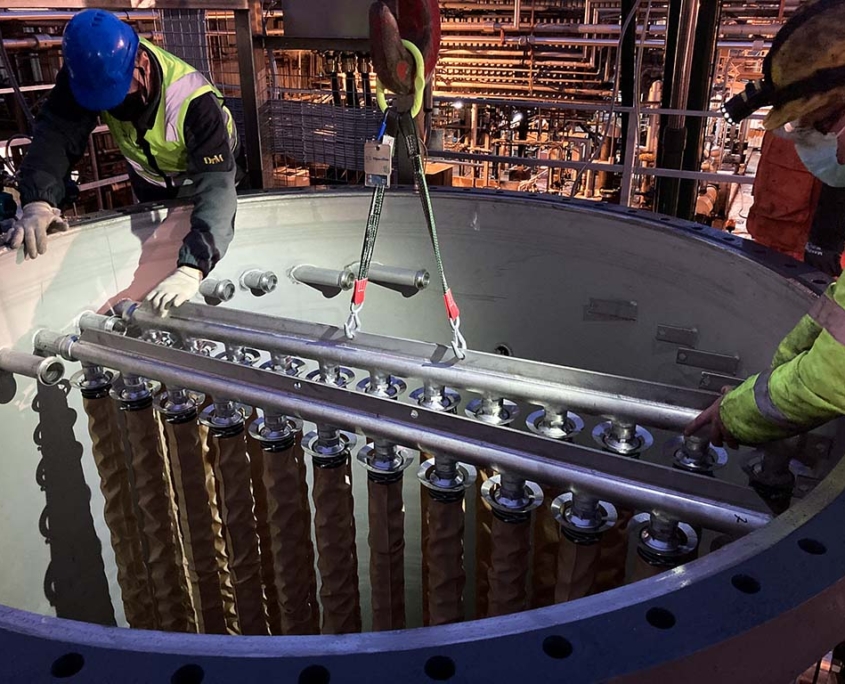
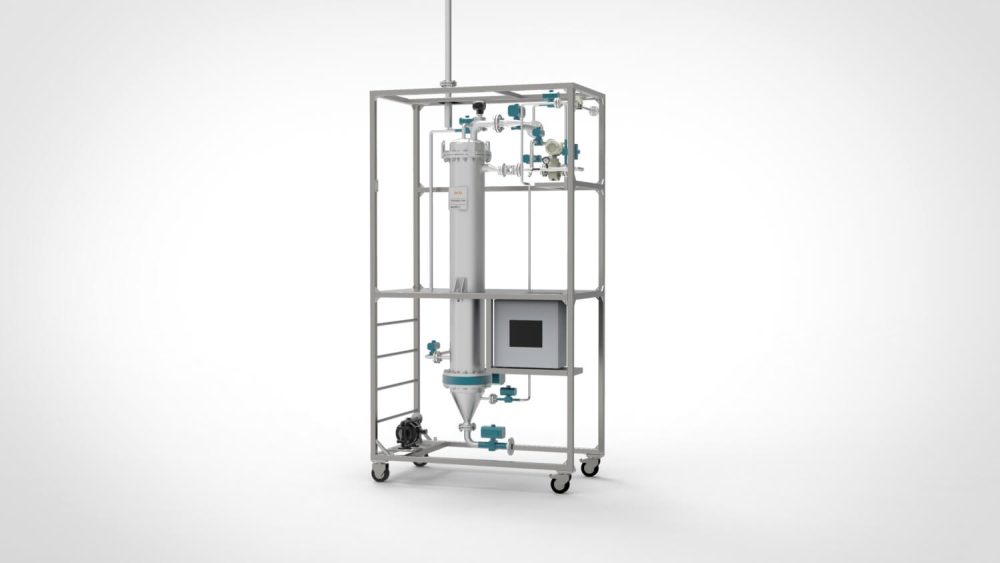
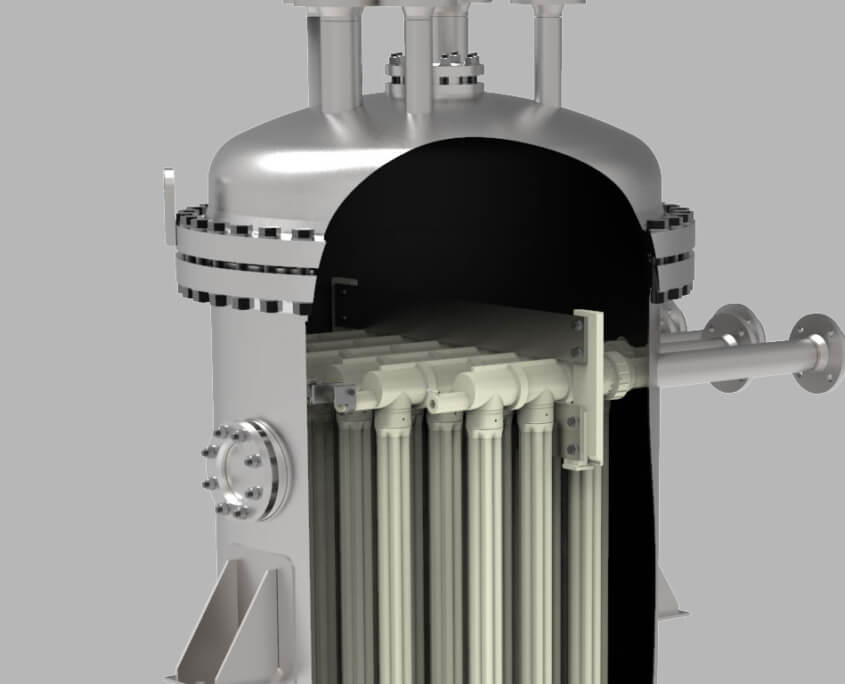
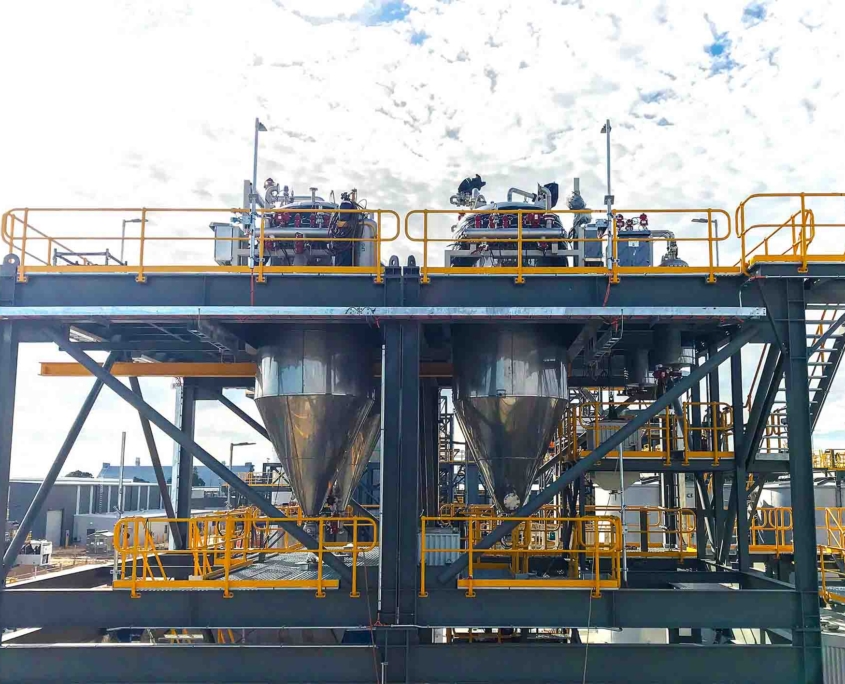
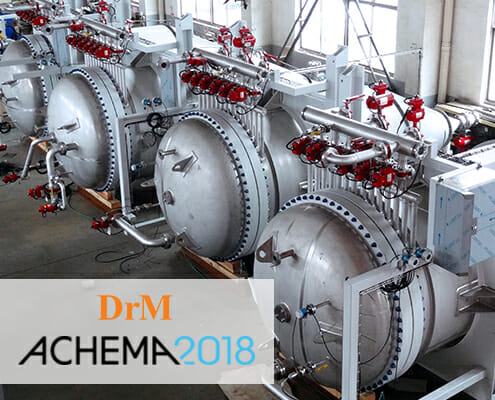
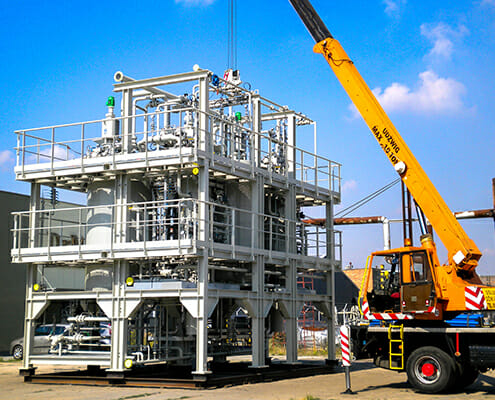
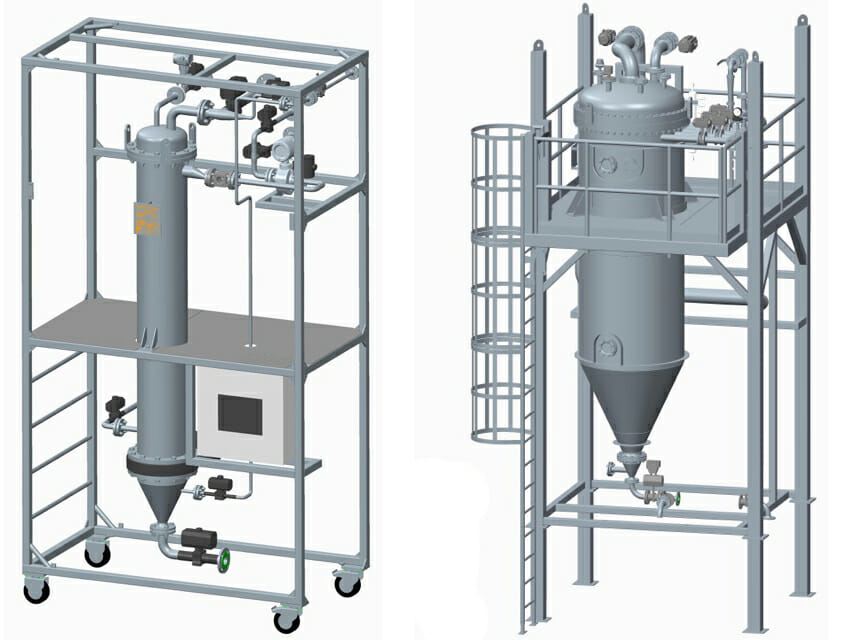
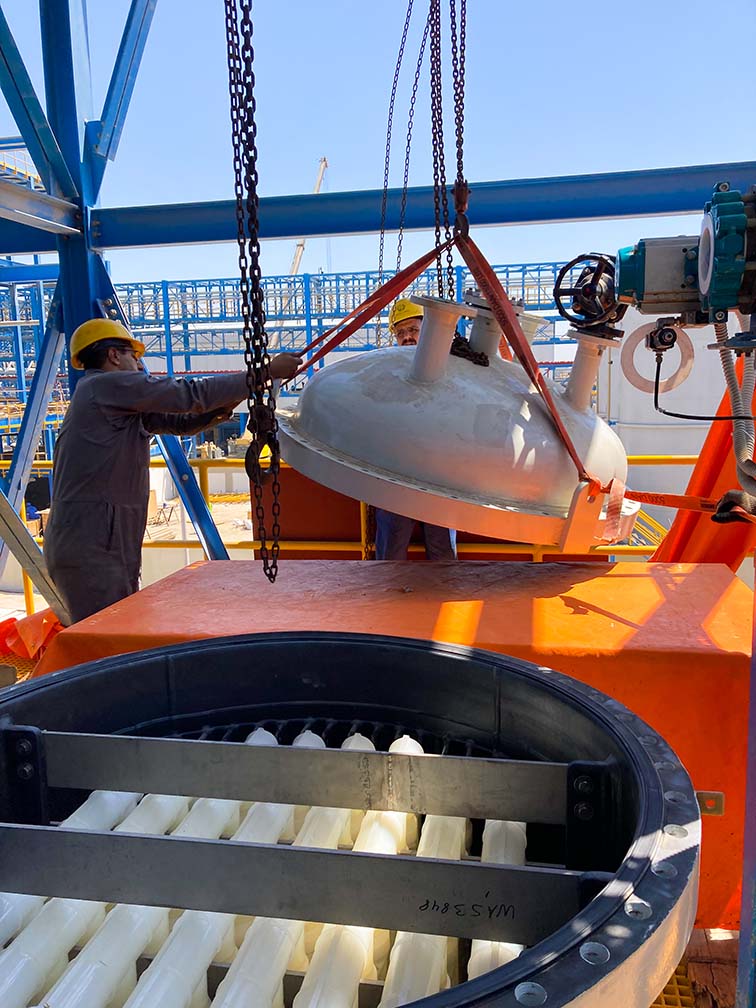
The FUNDABAC® candle filter was originally developed with filtrate quality as the primary design criterion, and brine filtration in the chlor-alkali industry was among its earliest applications. All wetted components are either high-performance plastics, rubber-lined parts, or titanium, making the filter suited to continuous operation in corrosive brine environments.
The filter achieves residual suspended solids below 0.5 ppm, meeting the quality requirements of membrane electrolysers. Alpha cellulose is used for both precoat and body feed. Specific throughput exceeds 2,000 litres per square metre per hour, with cycle times of approximately 48 hours. Discharge can be configured for either dry cake (approximately 70% solids content) or slurry discharge, allowing the system to integrate with different downstream solids handling arrangements, including drum filters and filter presses where installed.
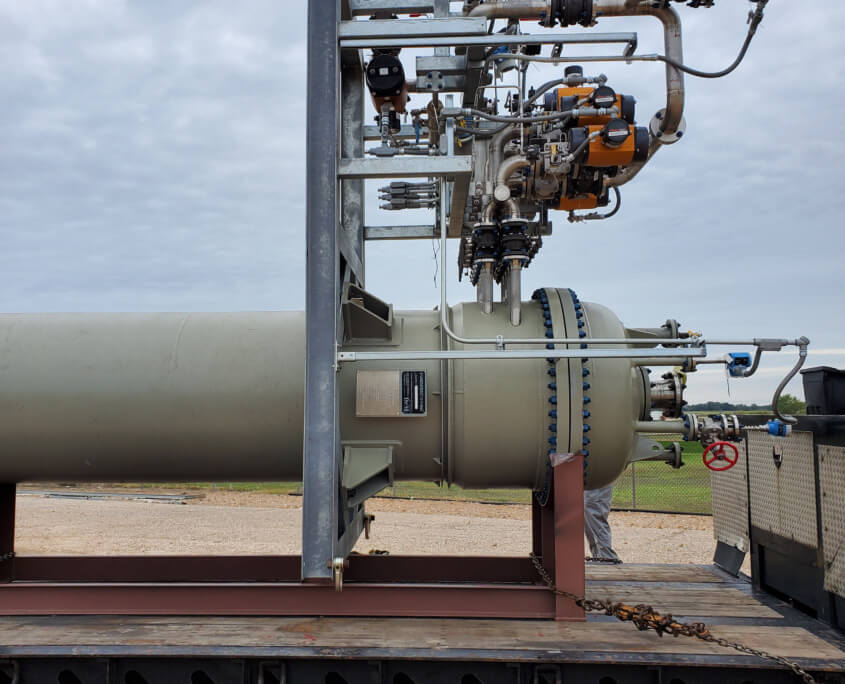
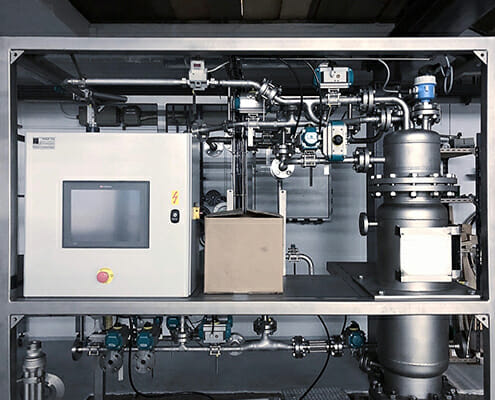
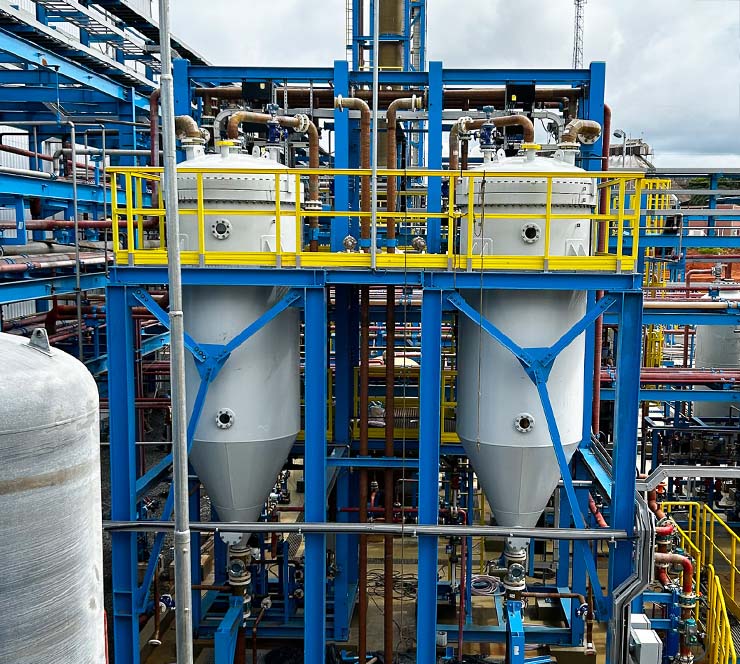
The fully enclosed pressure vessel design means the process remains closed throughout filtration and discharge. This is relevant not only for product quality but for safe handling of the brine.
Where is the FUNDABAC® used in chlor-alkali production globally?
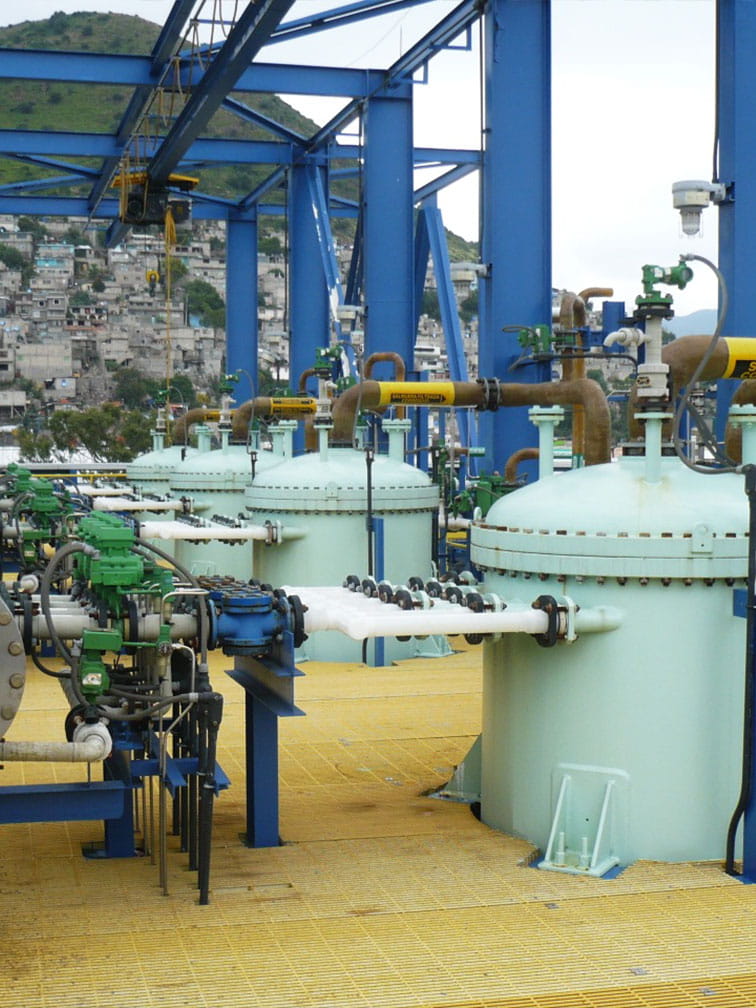
Brine polishing is the most established application for the FUNDABAC® in the chlor-alkali sector. DrM has supplied more than 420 FUNDABAC® filters into chlor-alkali and related brine applications across more than 40 countries, covering both new plant builds and capacity expansions at plants ranging from small single-unit configurations up to large multi-unit installations. Active deliveries continue through 2024 and 2025.
Beyond standard brine polishing, related applications within chlor-alkali and chlorine chemistry include chlorate brine polishing (with cake compositions including CaCO3, CaSO4, and MgCl2), caustic soda polishing for mercury removal at installations undergoing process conversion, and filtration of ferrous and ferric chloride streams produced as by-products.
What operational benefits does candle filter technology deliver in this process?
The engineering argument for candle filtration in brine polishing comes down to three factors: filtrate quality, materials durability, and reduced maintenance burden.
On filtrate quality, the combination of precoat filtration and fine filter media routinely achieves the sub-0.5 ppm specification required for membrane protection. Consistent filtrate quality over long cycle times reduces the risk of membrane contamination events, which carry significant cost implications in terms of replacement and lost production.
On materials, the absence of metallic components in wetted contact eliminates the corrosion-driven failure modes that shorten equipment life in less chemically resistant filter designs. This translates directly to longer service intervals and lower replacement part consumption.
On maintenance, the automated gas blow-back discharge and closed-vessel design reduce the frequency and complexity of operator intervention. Plants running multiple filter units can schedule cleaning cycles without interrupting overall throughput.
Chlor-alkali remains one of the highest-volume application areas in DrM’s filtration reference base. The depth of reference across regions, plant scales, and salt source types reflects the adaptability of the FUNDABAC® to the varying process conditions found in chlor-alkali production worldwide.
Frequently Asked Questions
What level of filtrate purity is needed for membrane electrolyzers?
Membrane electrolyzers require brine with less than 0.5 ppm suspended solids. Ionic impurities such as Ca2+ and Mg2+ must also be reduced to below 0.02 mg/L through ion exchange, following the particulate removal stage.
Why do conventional filters struggle with chlor-alkali brine polishing?
Drum filters typically achieve only 5 to 15 ppm and are limited to slurry discharge. Filter presses can reach target purity under optimal conditions but require manual intervention and are not suited to closed, continuous operation in corrosive environments.
What materials withstand the corrosive conditions in chlor-alkali brine systems?
Chlorine, caustic soda, and hot brine attack most conventional metals. Equipment in contact with the process media typically requires high-performance plastics, rubber-lined components, or titanium to avoid corrosion-driven failure and shortened service life.
How does salt source affect brine filtration requirements?
Vacuum-purified salt produces a relatively clean brine requiring only a final polishing step. Rock salt and solar salt introduce higher levels of calcium, magnesium, and sulphate compounds, requiring additional upstream precipitation and separation before the polishing stage, and greater variability in the solids load reaching the final filter.
What throughput and cycle time can be expected from candle filtration in brine polishing?
Specific throughput in chlor-alkali brine polishing typically exceeds 2,000 liters per square metre per hour, with cycle times of approximately 48 hours before cake discharge and precoat renewal are required.